

Aveda
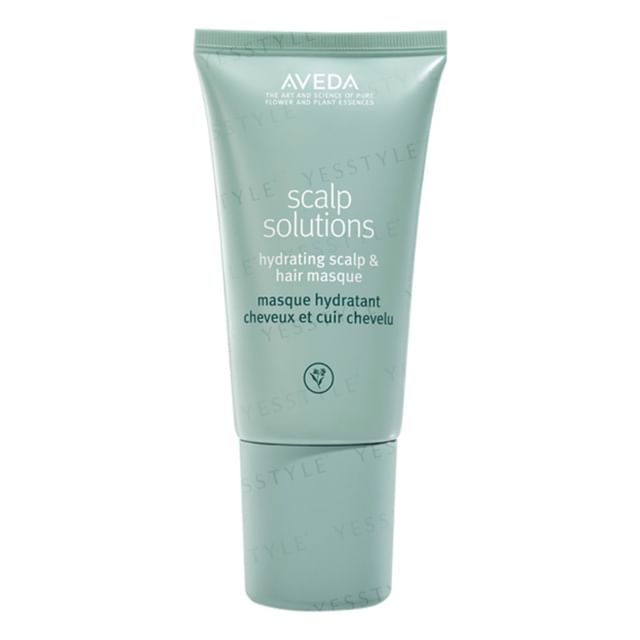
Aveda Scalp Solutions Hydrating Scalp & Hair Masque 150ml
A velvety crème mask that intensively replenishes the scalp's moisture barrier by 77%, powered by vegan squalane to relieve discomfort from scalp dryness and leave hair smooth, shiny, and hydrated.
Sulfate-free
Paraben-free
Silicone-free
Vegan
Dryness
Scalp Issues
Optimized for Your Environment & Lifestyle
Nykaa
In stock
Recommended

Aveda Scalp Solutions Hydrating Scalp & Hair Masque 150ml
Aveda
aveda-scalp-solutions-hydrating-scalp-hair-masque-150ml
Hair and Scalp Masque
10407576469797
Morning or Evening?
How often will you use this product?
Notes


Secure payment protection
Your Biodata Compatibility Analysis
Based on your 6 hair health indices and environmental factors
Poor Match
Significant incompatibilities
Growth Cycle Health Index
Hair Match
Hair Health Index Alignment
Optimal for OSI, SSI, DI, HSI
Ingredient Efficacy
Matching Ingredient Score
Environment Compatibility
Current UV, Air Quality & Humidity
Why This Works for Your Specific Profile
Damage Index:
Damage levels outside specified range may not benefit optimally from product formulation
Water Quality:
Non-sensitive scalps may not benefit from gentle formulation designed for reactive skin
Hair:
No porosity-specific conflicts
Active Lifestyle:
Activity levels outside optimal range affect product performance and maintenance requirements
Your Hair Profile Integration
Your Hair Archetype

Density Level

Washing Frequency

Shedding Level

Oil Level
Your Hair Health Indices
Oil Secretion (OSI)
Very low oil production
Scalp Sensitivity (SSI)
Very low sensitivity
Growth Rate (CMR)
Poor metabolism rate
Damage Index (DI)
Minimal damage
Hair Strength (HSI)
Very weak strength
Softness Index (SI)
Significant improvement needed
Water & Environmental Integration

Water:


Expected Results & Timeline
Key Highlights

What is it?
Hair and Scalp Masque with vegan squalane

Who Is It For
Adults

Budget
Rs. 5,395.70 - Rs. 10,791.40

Timeline
Immediate scalp hydration; hair hydration and shine improvement after single use
Why You’ll Love It

What Does It Help With?
Scalp dryness, hair hydration, shine enhancement

Best for
Dryness

Features
Intensively replenishes scalp moisture barrier by 77%, relieves discomfort from scalp dryness, leaves hair smooth, shiny, and hydrated.

Checks
Silicone-free, Dermatologist tested, Vegan, Leaping Bunny Approved
Ingredients Overview
Ingredients List
water-aqua-eau, cetearyl-alcohol, carthamus-tinctorius-safflower-oleosomes, butylene-glycol, cetyl-esters, distearyldimonium-chloride, behentrimonium-methosulfate, glycerin, hydroxyethylcellulose, stearamidopropyl-dimethylamine, betaine, squalane, trehalose, cocos-nucifera-coconut-oil, asiaticoside, asiatic-acid, madecassic-acid, andrographis-paniculata-extract, lactobacillus-ferment, caffeine, saccharide-isomerate, helianthus-annuus-sunflower-seed-oil, lactic-acid, citric-acid, polyester-11, behenyl-alcohol, fragrance-parfum, linalool, limonene, geraniol, hydroxycitronellal, benzyl-salicylate, tocopherol, tetrasodium-iminodisuccinate, sodium-citrate, gluconolactone, phenoxyethanol, potassium-sorbate, sodium-benzoate
Key Ingredients
Vegan squalane, Cocos Nucifera (Coconut) Oil, Asiaticoside, Asiatic Acid, Madecassic Acid
Ingredients Details
Asiatic Acid
Common Name(s): Brahmic acid,centella active
CAS Number: 464-92-6
DESCRIPTION
What It Does: Stimulates normal wound healing collagen synthesis while preventing excessive fibrosis and hypertrophic scar formation.
Why It's Used: Unique anti-fibrotic wound healing ingredient – stimulates collagen i and iii while reducing excessive tgf-β-driven fibrosis, making it ideal for preventing hypertrophic scars.
How It Works: Stimulates col1a1/col3a1 transcription in normal fibroblasts while inhibiting tgf-β-induced myofibroblast differentiation that drives hypertrophic scar formation. also inhibits nf-kb for anti-inflammatory activity.
Typically Found In: Scar prevention products,post-procedure recovery,wound healing
TECHNICAL DETAILS
Primary Category: Active ingredient – soothing / anti-inflammatory
Secondary Functions: Anti-fibrotic,scar prevention,collagen regulation
Application Areas:

Facial Skincare
Body Care

Hair Care
Beard Care
Color Cosmetics (Makeup)
Dietary/Oral Supplements
Typical Concentration Range: 0.01%–1%
SOURCING & ETHICS
Vegan Status: Yes – from centella asiatica
Halal Status: Yes
Source Notes: Plant-derived extract or synthetic.
SKIN COMPATIBILITY
Irritancy Rating: 1/5 – very low
Comedogenicity Rating: 0/5 – non-comedogenic
Sensitivity Concerns: Non-irritating; ideal for reactive and sensitive skin.
Safe for Sensitive Skin: Yes – particularly recommended for sensitive skin
SAFETY & COMPATIBILITY
Safety Profile: Excellent safety profile. ewg score: 1.
Works Well With: Ceramides,panthenol,allantoin,hyaluronic acid,centella asiatica
Avoid Combining With: No significant incompatibilities
SCIENTIFIC NOTE
The paradox of asiatic acid is its ability to both stimulate collagen synthesis (anti-aging) and prevent fibrosis (anti-scarring) from the same compound. this selective effect occurs because asiatic acid stimulates normal fibroblast collagen synthesis while specifically inhibiting tgf-β1-driven myofibroblast transformation – the cell type responsible for excessive scar tissue.
Last Verified: 2026-03-12
Primary Sources: Cosing database,maquart et al. asiatic acid study
Asiaticoside
Common Name(s): Centella asiatica glycoside,asiaticoside b
CAS Number: 16830-15-2
DESCRIPTION
What It Does: Accelerates wound healing and reduces scar formation through fibroblast activation and collagen synthesis stimulation.
Why It's Used: Clinically proven scar reduction and wound healing active – the compound behind centella's legendary wound healing reputation.
How It Works: Promotes fibroblast proliferation and collagen synthesis via tgf-β independent mechanism (distinct from madecassoside). also inhibits hyaluronidase protecting extracellular matrix. antimicrobial activity supports wound healing environment.
Typically Found In: Post-surgical products,scar treatments,wound healing formulations
TECHNICAL DETAILS
Primary Category: Active ingredient – soothing / anti-inflammatory
Secondary Functions: Scar reduction,wound healing,collagen stimulation
Application Areas:
Facial Skincare
Body Care
Hair Care
Beard Care
Color Cosmetics (Makeup)
Dietary/Oral Supplements
Typical Concentration Range: 0.01%–2%
SOURCING & ETHICS
Vegan Status: Conditional - supplier confirmation required
Halal Status: Unverified - supplier confirmation required
Source Notes: Extracted from centella asiatica aerial parts alongside madecassoside, asiatic acid, and madecassic acid. [audit 2026-07-29 rev2: status downgraded on audit. determination requires shariah-panel sign-off.]
SKIN COMPATIBILITY
Irritancy Rating: 1/5 – very low
Comedogenicity Rating: 0/5 – non-comedogenic
Sensitivity Concerns: Non-irritating; ideal for reactive and sensitive skin.
Safe for Sensitive Skin: Yes – particularly recommended for sensitive skin
SAFETY & COMPATIBILITY
Safety Profile: Excellent safety profile. ewg score: 1.
Works Well With: Ceramides,panthenol,allantoin,hyaluronic acid,centella asiatica
Avoid Combining With: No significant incompatibilities
SCIENTIFIC NOTE
Asiaticoside's mechanism of wound healing involves release of aglycone asiatic acid after hydrolysis by skin beta-glucosidases. the glycoside form provides better stratum corneum penetration than the hydrophobic aglycone, acting as a prodrug for the active asiatic acid at the wound healing site.
Last Verified:
Asiaticoside
Common Name(s): Centella asiatica glycoside,asiaticoside b
CAS Number: 16830-15-2
DESCRIPTION
What It Does: Accelerates wound healing and reduces scar formation through fibroblast activation and collagen synthesis stimulation.
Why It's Used: Clinically proven scar reduction and wound healing active – the compound behind centella's legendary wound healing reputation.
How It Works: Promotes fibroblast proliferation and collagen synthesis via tgf-β independent mechanism (distinct from madecassoside). also inhibits hyaluronidase protecting extracellular matrix. antimicrobial activity supports wound healing environment.
Typically Found In: Post-surgical products,scar treatments,wound healing formulations
TECHNICAL DETAILS
Primary Category: Active ingredient – soothing / anti-inflammatory
Secondary Functions: Scar reduction,wound healing,collagen stimulation
Application Areas:
Facial Skincare
Body Care
Hair Care
Beard Care
Color Cosmetics (Makeup)
Dietary/Oral Supplements
Typical Concentration Range: 0.01%–2%
SOURCING & ETHICS
Vegan Status: Conditional - supplier confirmation required
Halal Status: Unverified - supplier confirmation required
Source Notes: Extracted from centella asiatica aerial parts alongside madecassoside, asiatic acid, and madecassic acid. [audit 2026-07-29 rev2: status downgraded on audit. determination requires shariah-panel sign-off.]
SKIN COMPATIBILITY
Irritancy Rating: 1/5 – very low
Comedogenicity Rating: 0/5 – non-comedogenic
Sensitivity Concerns: Non-irritating; ideal for reactive and sensitive skin.
Safe for Sensitive Skin: Yes – particularly recommended for sensitive skin
SAFETY & COMPATIBILITY
Safety Profile: Excellent safety profile. ewg score: 1.
Works Well With: Ceramides,panthenol,allantoin,hyaluronic acid,centella asiatica
Avoid Combining With: No significant incompatibilities
SCIENTIFIC NOTE
Asiaticoside's mechanism of wound healing involves release of aglycone asiatic acid after hydrolysis by skin beta-glucosidases. the glycoside form provides better stratum corneum penetration than the hydrophobic aglycone, acting as a prodrug for the active asiatic acid at the wound healing site.
Last Verified:
Betaine
Common Name(s): Trimethylglycine,tmg,natural betaine
CAS Number: 107-43-7
DESCRIPTION
What It Does: Provides osmoprotective humectant conditioning with anti-irritant and mild foam-boosting activity.
Why It's Used: Natural-origin multifunctional osmolyte from sugar beet providing hydration, anti-irritancy, and conditioning in virtually every cosmetic category.
How It Works: Quaternary ammonium betaine provides zwitterionic character for water binding via ionic hydration. osmoprotective function at 100–500mm as compatible solute protecting cells from osmotic stress. reduces surfactant irritation by competing with sls for protein binding sites. mild foam enhancement.
Typically Found In: Virtually all categories — moisturisers, shampoos, cleansers
TECHNICAL DETAILS
Primary Category: Functional ingredient – humectant
Secondary Functions: Tewl reduction,skin plumping
Application Areas:
Facial Skincare
Body Care
Hair Care
Beard Care
Color Cosmetics (Makeup)
Dietary/Oral Supplements
Typical Concentration Range: 0.5%–10%
SOURCING & ETHICS
Vegan Status: Conditional - feedstock declaration required
Halal Status: Unverified - feedstock declaration required (plant, animal and petrochemical routes all exist)
Source Notes: Synthetic or naturally derived. excellent aqueous solubility. [audit 2026-07-29 rev2: origin-dependent: the same inci exists in plant, animal and petrochemical versions and the name does not discriminate. determination requires shariah-panel sign-off.]
SKIN COMPATIBILITY
Irritancy Rating: 1/5 – very low
Comedogenicity Rating: 0/5 – non-comedogenic
Sensitivity Concerns: Non-irritating; suitable for all skin types.
Safe for Sensitive Skin: Yes
SAFETY & COMPATIBILITY
Safety Profile: Excellent safety profile. ewg score: 1.
Works Well With: Ceramides,emollients,occlusives,glycerin,hyaluronic acid
Avoid Combining With: No significant incompatibilities
SCIENTIFIC NOTE
Betaine's anti-irritant mechanism for surfactant systems involves competitive protein protection: betaine at high concentrations preferentially interacts with skin proteins, occupying binding sites that would otherwise be occupied by surfactant molecules causing protein denaturation. this competition reduces available protein binding for irritating surfactants, explaining betaine's well-documented ability to reduce sls irritation when co-formulated.
Last Verified: 2026-03-12
Primary Sources: Cosing database,craig betaine osmoprotective review,cir safety assessment
Personalized Usage Instructions
How to Use
Step 1
1–2 times per week, apply masque to scalp and hair after shampooing, in place of conditioner
Step 2
Massage into wet hair and scalp
Step 3
Leave on for 2–5 minutes
Step 4
Rinse well
Medical Chemicals

Protein/Moisture
- Moisture
pH Level
- Acidic

Porosity Taget
- Normal Porosity
Customized for Your Profile
Scalp Condtions
Dry Scalp
Climate Suitability
Humid, Dry, Winter, Summer
Clinical Claims
97% of panelists demonstrated immediate scalp hydration; improves hair hydration by 91% and increases shine by 94%; hair is 4X smoother; reduces scalp flaking from dryness; restores lasting scalp comfort and relief from dryness
Frequency
1–2 times per week, apply masque to scalp and hair after shampooing, in place of conditioner. Massage into wet hair and scalp. Leave on for 2–5 minutes. Rinse well.
Product Information

Silicone-free
Dermatologist tested
Vegan
Leaping Bunny Approved