

Avon
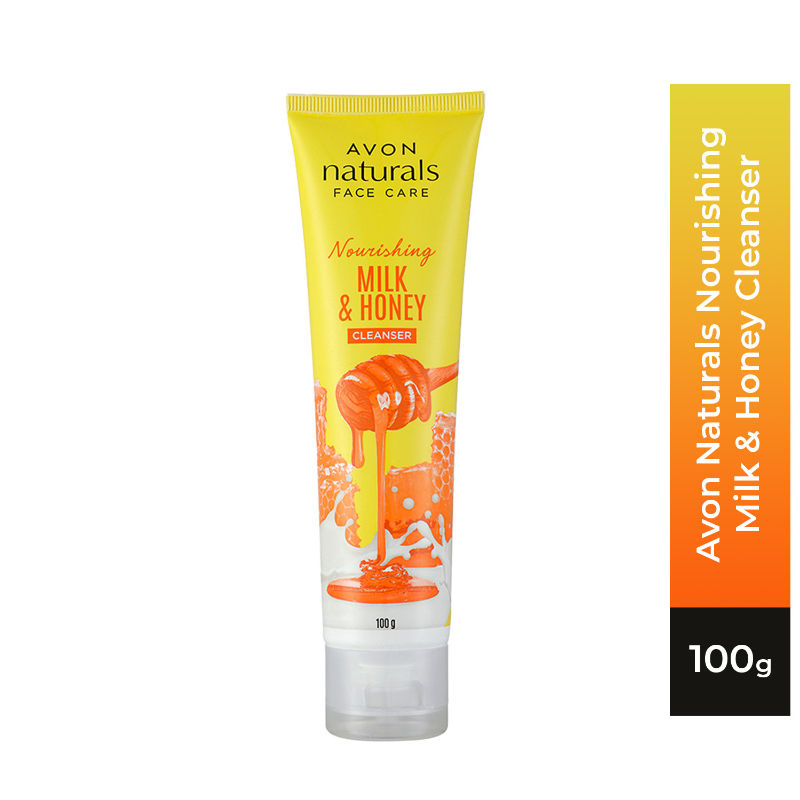
Avon Naturals Milk Honey Cleanser

Avon Naturals Milk Honey Cleanser
Avon
avon-naturals-milk-honey-cleanser
Cleanse
10084943921445
Morning or Evening?
How often will you use this product?
Notes


Highlights
WHAT IS IT?
Cleanser, contains multiple ingredients
FEATURES
Helps remove excess oil, makeup, sweat, dirt and dead skin cells; Refreshes skin; Creates a clean foundation for moisturizer or makeup application
BEST FOR
normal
CHECKS
No parabens, no sulfates, no silicones mentioned
Who Is It For?
All Genders No Specific Age Range MentionedWhat Does It Help With?
Removes Dirt Oil Makeup Including Waterproof Makeup; Keeps Skin Hydrated And Resilient; Targets Multiple Signs Of AgeingBudget
Affordable (under $30)How To Use
Which routine should it be used in?
Instructions:
Key Information


What Avon Says
Product Description:
Discover the new & improved Anew Ultimate range, powered with dual collagen-boosting Protinol and L-Argenine for firmer-looking skin. Avon's exclusive Protinol technology to help activate skin collagen production and target against multiple signs of ageing. The cleanser is powered with triple youth technology The gentle cleanser effectively removes all dirt, oil and impurities. It also helps to remove make-up including waterproof. It keeps skin feeling hydrated and resilient. helps remove excess oil, makeup, sweat, dirt and dead skin cells from your skin. It refreshes your skin and gives your complexion a chance to breathe. It also creates a clean foundation for you to apply products like face moisturizer or makeup. About the Brand: For 135+ years Avon has stood for women -- providing innovative, quality beauty products which are primarily sold to women, through women.
About the Brand:
Ingredients Overview
Ingredients List
Aqua/Water/Eau,Glycerin,Cetearyl-Alcohol,Myristyl-Myristate,Cannabis-Sativa-Seed-Oil,Caprylic/Capric-Triglyceride,Theobroma-Cacao-Seed-Butter/Theobroma-Cacao-(Cocoa)-Seed-Butter,Glyceryl-Stearate,PEG-1-Stearate,Cocos-Nucifera-Shell-Powder/Cocos-Nucifera-(Coconut)-Shell-Powder,Helianthus-Annuus-Seed-Wax/Helianthus-Annuus-(Sunflower)-Seed-Wax,Glycine-Soja-Oil/Glycine-Soja-(Soybean)-Oil,Parfum/Fragrance,Benzyl-Alcohol,Phenoxyethanol,Prunus-Amygdalus-Dulcis-Shell-Powder/Prunus-Amygdalus-Dulcis-(Sweet-Almond)-Shell-Powder,Potassium-Sorbate,Xanthan-Gum,Citric-Acid,Talc,CI-77288/Chromium-Oxide-Greens,CI-77492/Iron-Oxides,CI-77491/Iron-Oxides,CI-77499/Iron-Oxides
Key Ingredients
Protinol,L-Argenine,Cannabis-Sativa-Seed-Oil,Theobroma-Cacao-Seed-Butter
Ingredients Details
Aqua/water/eau
Common Name(s): Aqua/water/eau extract
DESCRIPTION
What It Does: Provides antioxidant protection, soothing anti-inflammatory effects, and skin-conditioning benefits through plant-derived polyphenols and phytochemicals.
Why It's Used: Plant extracts concentrate bioactive phytochemicals evolved for environmental protection — uv, microbial, and oxidative stressors — that translate to skin benefits.
How It Works: Polyphenols (flavonoids, phenolic acids) inhibit nf-κb-mediated inflammatory signaling, scavenge reactive oxygen species through electron donation, and chelate pro-oxidant metal ions to reduce oxidative skin damage.
Typically Found In: Serums,toners,moisturizers,masks,essences
TECHNICAL DETAILS
Primary Category: Botanical extracts
Secondary Functions: Antioxidant,anti-inflammatory
Application Areas:

Facial Skincare

Body Care
Hair Care
Beard Care
Color Cosmetics (Makeup)
Dietary/Oral Supplements
Typical Concentration Range: 0.1–10%
SOURCING & ETHICS
Vegan Status: Yes
Halal Status: Yes
Source Notes: Plant-derived extract; no animal components.
SKIN COMPATIBILITY
Irritancy Rating: 1
Comedogenicity Rating: 0
Sensitivity Concerns: Low sensitization potential at recommended use concentrations.
Safe for Sensitive Skin: Yes
SAFETY & COMPATIBILITY
Safety Profile: Well-characterized cosmetic ingredient with established safety profile. generally non-irritating at typical use concentrations. suitable for leave-on and rinse-off cosmetics.
Works Well With: Niacinamide,hyaluronic acid,vitamin c,ceramides
Avoid Combining With: Strong oxidizing agents
SCIENTIFIC NOTE
Plant secondary metabolites (flavonoids, terpenes, phenolic acids) are biosynthesized as defense compounds against uv, herbivores, and pathogens. their anti-inflammatory activity typically derives from competitive inhibition of cox-2 and 5-lox enzymes (ic50 1–50 µm), while antioxidant activity involves single electron transfer (set) and hydrogen atom transfer (hat) mechanisms with structure-dependent rate constants.
Last Verified: Cosing eu database; pcpc cosmetic ingredient safety reviews; phytochemical and ethnobotanical literature
Primary Sources: 2025-01-15
Glycerin
Common Name(s): Glycerol,glycerine,1,2,3-propanetriol
CAS Number: 56-81-5
DESCRIPTION
What It Does: Glycerin pulls water from the environment and deeper skin layers into the outer skin layer (epidermis), boosting moisture levels and keeping skin soft, smooth, and plump.
Why It's Used: It is used in virtually every moisturizer, serum, and cleanser because it is highly effective at hydrating skin, is well-tolerated by all skin types, and enhances the texture and spreadability of formulations.
How It Works: As a humectant, glycerin forms hydrogen bonds with water molecules, trapping them in the skin. it also reinforces the skin barrier by integrating into lipid structures between skin cells.
Typically Found In: Moisturizers,serums,cleansers,toners,sheet masks,sunscreens,body lotions,shampoos,conditioners
TECHNICAL DETAILS
Primary Category: Humectant
Secondary Functions: Skin barrier support,emollient,solvent
Application Areas:
Facial Skincare
Body Care
Hair Care
Beard Care
Color Cosmetics (Makeup)
Dietary/Oral Supplements
Typical Concentration Range: 1%–30% (typical: 3–10%)
SOURCING & ETHICS
Vegan Status: Yes – plant-derived (coconut, soy, palm) or synthetic
Halal Status: Yes – when plant-derived or synthetic; verify source with supplier
Source Notes: Derived from plant oils via hydrolysis or saponification; synthetic versions also available. palm-derived glycerin carries sustainability concerns.
SKIN COMPATIBILITY
Irritancy Rating: 1/5 – very low; non-irritating at all standard concentrations
Comedogenicity Rating: 0/5 – non-comedogenic
Sensitivity Concerns: Extremely rare allergic reactions; generally safe for all skin types including sensitive and baby skin
Safe for Sensitive Skin: Yes
SAFETY & COMPATIBILITY
Safety Profile: Widely recognized as safe. ewg hazard score: 1. no significant concerns for irritation, sensitization, or toxicity at typical concentrations (up to 50%).
Works Well With: Hyaluronic acid,ceramides,niacinamide,panthenol,urea,peptides,retinol,ahas/bhas
Avoid Combining With: No known incompatibilities at standard concentrations
SCIENTIFIC NOTE
Glycerin is an endogenous skin component found naturally in the stratum corneum. aquaporin-3 channels in keratinocytes facilitate glycerin transport, making it integral to natural skin hydration pathways.
Last Verified: Cosing database,cir safety assessment,ewg skin deep,inci decoder
Primary Sources: 2026-03-12
Phenoxyethanol
Common Name(s): 2-phenoxyethanol,rose ether,ethylene glycol monophenyl ether
CAS Number: 122-99-6
DESCRIPTION
What It Does: Prevents microbial contamination and spoilage in cosmetic formulations.
Why It's Used: The benchmark cosmetic preservative – eu-permitted up to 1%, effective against virtually all cosmetically relevant microorganisms, and excellent tolerability.
How It Works: Phenol ring provides broad antimicrobial activity via disruption of bacterial and fungal cell membranes and inhibition of enzymatic activity. effective against gram-positive and gram-negative bacteria, yeasts (candida), and molds (aspergillus). activity ph range: 3-9.
Typically Found In: All cosmetic formulations as primary preservative
TECHNICAL DETAILS
Primary Category: Functional ingredient – broad-spectrum preservative
Secondary Functions: Skin conditioning
Application Areas:
Facial Skincare
Body Care
Hair Care
Beard Care
Color Cosmetics (Makeup)
Dietary/Oral Supplements
Typical Concentration Range: 0.1%–1% (eu max 1%)
SOURCING & ETHICS
Vegan Status: Yes – synthetic
Halal Status: Yes
Source Notes: Commercially produced for cosmetic use. verify vegan/halal status with supplier.
SKIN COMPATIBILITY
Irritancy Rating: 1/5 – very low
Comedogenicity Rating: 0/5 – non-comedogenic
Sensitivity Concerns: Well-tolerated by most skin types.
Safe for Sensitive Skin: Yes
SAFETY & COMPATIBILITY
Safety Profile: Eu cosmetics regulation max 1%. sccs assessed as safe at ≤1%. avoid use around eyes in baby products per some country regulations. ewg score: 4.
Works Well With: Standard skincare actives
Avoid Combining With: No known significant incompatibilities
SCIENTIFIC NOTE
Phenoxyethanol's widespread adoption as the primary cosmetic preservative followed the phaseout of parabens from many formulations in the 2000s-2010s. despite having a comparable or better safety profile to parabens, it is often cited in 'free-from' formulations – a consumer perception issue rather than a scientific safety concern.
Last Verified: Cosing database,sccs opinion on phenoxyethanol,cir safety assessment
Primary Sources: 2026-03-12
Talc
Common Name(s): Magnesium silicate,french chalk,soapstone powder
CAS Number: 14807-96-6
DESCRIPTION
What It Does: Provides the smoothest slip and oil absorption from the softest mineral for cosmetic powder formulations.
Why It's Used: The industry-standard cosmetic powder base – talc's unmatched softness (mohs 1 – softer than skin) provides the smoothest cosmetic feel of any mineral powder.
How It Works: Layered mg3si4o10(oh)2 structure provides inter-layer slip from weakly bonded oh surfaces. mohs hardness 1 – softer than all skin components. very low coefficient of friction from silicone-like siloxane surface. oil absorption via inter-layer capillary action.
Typically Found In: Face powders,baby powder,eyeshadow – foundational cosmetic powder ingredient
TECHNICAL DETAILS
Primary Category: Functional ingredient – talcum mineral
Secondary Functions: Skin conditioning
Application Areas:
Facial Skincare
Body Care
Hair Care
Beard Care
Color Cosmetics (Makeup)
Dietary/Oral Supplements
Typical Concentration Range: 0.1%–80%
SOURCING & ETHICS
Vegan Status: Yes – natural mineral
Halal Status: Yes
Source Notes: Commercially produced for cosmetic use. verify vegan/halal status with supplier.
SKIN COMPATIBILITY
Irritancy Rating: 1/5 – very low
Comedogenicity Rating: 0/5 – non-comedogenic
Sensitivity Concerns: Well-tolerated by most skin types.
Safe for Sensitive Skin: Yes
SAFETY & COMPATIBILITY
Safety Profile: Cosmetic-grade talc must be free of asbestos contamination – asbestos is a known carcinogen. only asbestos-free cosmetic talc should be used. avoid inhalation of talc powders.
Works Well With: Standard skincare actives
Avoid Combining With: No known significant incompatibilities
SCIENTIFIC NOTE
Talc's mohs hardness of 1 (the reference mineral for mohs scale minimum) means it is softer than skin itself (estimated mohs ~0.5-1 for soft skin, 2+ for callused skin). this exceptional softness means talc particles don't scratch skin during application – physical contact between talc and skin surface is literally softer than touching skin to itself, explaining talc's unmatched 'like silk' application feel.
Last Verified: Cosing database,fda talc safety,cir safety assessment
Primary Sources: 2026-03-12
