
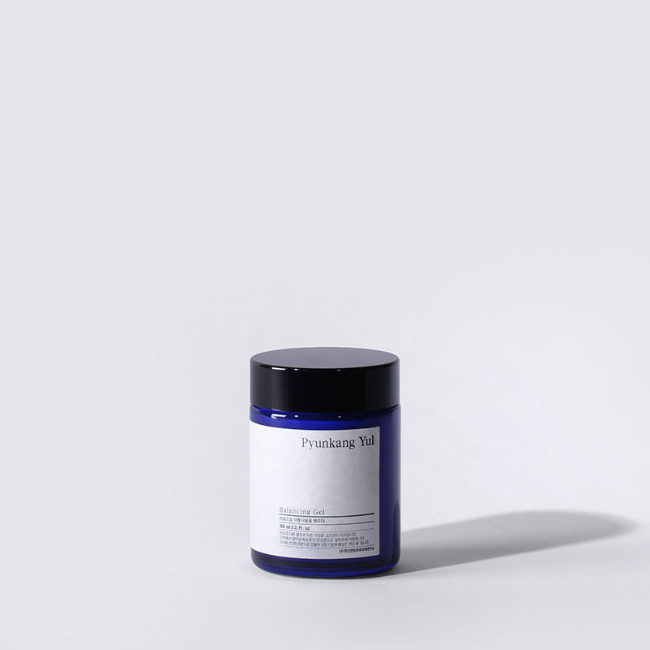

Pyunkang Yul
Balancing Gel

Balancing Gel
Pyunkang Yul
balancing-gel
Moisturize
9706814570789
Morning or Evening?
How often will you use this product?
Notes


Highlights
WHAT IS IT?
Moisturizing gel
FEATURES
Honey-formed creamstretches and adheres to the skin, locking moisture deep inside of it
BEST FOR
Sensitive skin
CHECKS
Free of parabens, artificial fragrances, colorants
Who Is It For?
AdultsWhat Does It Help With?
Hydrates And Nourishes The Skin.Budget
AffordableHow To Use
Which routine should it be used in?
Instructions:
Key Information


What Pyunkang Yul Says
Product Description:
The Pyunkang Yul Balancing Gel is an exceptional moisturizing product that delivers a dewy and radiant complexion by harnessing the strength and moisture of Astragalus root. This gel is crafted with only seven ingredients, certified as zero-irritation, and approved by the European CPNP, ensuring it is gentle on the skin. Notably, it uses Astragalus root instead of water and is free from fragrance and color, making it suitable for sensitive skin. Recommended for revitalizing dry and tired skin, this gel provides deep nourishment and can be paired with Pyunkang Yul's Nutrition Cream and Oil for enhanced benefits. Key ingredients include Astragalus root, rich in nutrients such as isoflavonoids and calicosine, which promote firm and healthy skin, and jojoba seed, which helps balance the skin's oil and moisture levels. The gel's unique honey-like, cohesive texture delivers moisture by enveloping dry skin in a single layer. To use, apply a thin layer to the palm of your hand at the final stage of your skincare routine. Its bouncy formula requires pressing to bring it back when rubbed, ensuring thorough application and optimal hydration.
Ingredients Overview
Ingredients List
Astragalus Membranaceus Root Extract, Glycerin, Butylene Glycol, 1,2-Hexanediol, Polysorbate 80, PEG-150 Distearate, 1,2-Hexanediol, Polysorbate 20, Glyceryl Caprylate, Simmondsia Chinensis (Jojoba) Seed Oil
Key Ingredients
Astragalus Membranaceus Root Extract
Ingredients Details
Astragalus Membranaceus Root Extract
Common Name(s): Astragalus membranaceus root extract
DESCRIPTION
What It Does: Provides antioxidant protection, soothing anti-inflammatory effects, and skin-conditioning benefits through plant-derived polyphenols and phytochemicals.
Why It's Used: Plant extracts concentrate bioactive phytochemicals evolved for environmental protection — uv, microbial, and oxidative stressors — that translate to skin benefits.
How It Works: Polyphenols (flavonoids, phenolic acids) inhibit nf-κb-mediated inflammatory signaling, scavenge reactive oxygen species through electron donation, and chelate pro-oxidant metal ions to reduce oxidative skin damage.
Typically Found In: Serums,toners,moisturizers,masks,essences
TECHNICAL DETAILS
Primary Category: Botanical extracts
Secondary Functions: Antioxidant,anti-inflammatory
Application Areas:

Facial Skincare

Body Care
Hair Care
Beard Care
Color Cosmetics (Makeup)
Dietary/Oral Supplements
Typical Concentration Range: 0.1–10%
SOURCING & ETHICS
Vegan Status: Yes
Halal Status: Yes
Source Notes: Plant-derived extract; no animal components.
SKIN COMPATIBILITY
Irritancy Rating: 1
Comedogenicity Rating: 0
Sensitivity Concerns: Low sensitization potential at recommended use concentrations.
Safe for Sensitive Skin: Yes
SAFETY & COMPATIBILITY
Safety Profile: Well-characterized cosmetic ingredient with established safety profile. generally non-irritating at typical use concentrations. suitable for leave-on and rinse-off cosmetics.
Works Well With: Niacinamide,hyaluronic acid,vitamin c,ceramides
Avoid Combining With: Strong oxidizing agents
SCIENTIFIC NOTE
Plant secondary metabolites (flavonoids, terpenes, phenolic acids) are biosynthesized as defense compounds against uv, herbivores, and pathogens. their anti-inflammatory activity typically derives from competitive inhibition of cox-2 and 5-lox enzymes (ic50 1–50 µm), while antioxidant activity involves single electron transfer (set) and hydrogen atom transfer (hat) mechanisms with structure-dependent rate constants.
Last Verified: 2025-01-15
Primary Sources: Cosing eu database; pcpc cosmetic ingredient safety reviews; phytochemical and ethnobotanical literature
Astragalus Membranaceus Root Extract
Common Name(s): Astragalus membranaceus root extract
DESCRIPTION
What It Does: Provides antioxidant protection, soothing anti-inflammatory effects, and skin-conditioning benefits through plant-derived polyphenols and phytochemicals.
Why It's Used: Plant extracts concentrate bioactive phytochemicals evolved for environmental protection — uv, microbial, and oxidative stressors — that translate to skin benefits.
How It Works: Polyphenols (flavonoids, phenolic acids) inhibit nf-κb-mediated inflammatory signaling, scavenge reactive oxygen species through electron donation, and chelate pro-oxidant metal ions to reduce oxidative skin damage.
Typically Found In: Serums,toners,moisturizers,masks,essences
TECHNICAL DETAILS
Primary Category: Botanical extracts
Secondary Functions: Antioxidant,anti-inflammatory
Application Areas:
Facial Skincare
Body Care
Hair Care
Beard Care
Color Cosmetics (Makeup)
Dietary/Oral Supplements
Typical Concentration Range: 0.1–10%
SOURCING & ETHICS
Vegan Status: Yes
Halal Status: Yes
Source Notes: Plant-derived extract; no animal components.
SKIN COMPATIBILITY
Irritancy Rating: 1
Comedogenicity Rating: 0
Sensitivity Concerns: Low sensitization potential at recommended use concentrations.
Safe for Sensitive Skin: Yes
SAFETY & COMPATIBILITY
Safety Profile: Well-characterized cosmetic ingredient with established safety profile. generally non-irritating at typical use concentrations. suitable for leave-on and rinse-off cosmetics.
Works Well With: Niacinamide,hyaluronic acid,vitamin c,ceramides
Avoid Combining With: Strong oxidizing agents
SCIENTIFIC NOTE
Plant secondary metabolites (flavonoids, terpenes, phenolic acids) are biosynthesized as defense compounds against uv, herbivores, and pathogens. their anti-inflammatory activity typically derives from competitive inhibition of cox-2 and 5-lox enzymes (ic50 1–50 µm), while antioxidant activity involves single electron transfer (set) and hydrogen atom transfer (hat) mechanisms with structure-dependent rate constants.
Last Verified: 2025-01-15
Primary Sources: Cosing eu database; pcpc cosmetic ingredient safety reviews; phytochemical and ethnobotanical literature