

Be The Skin
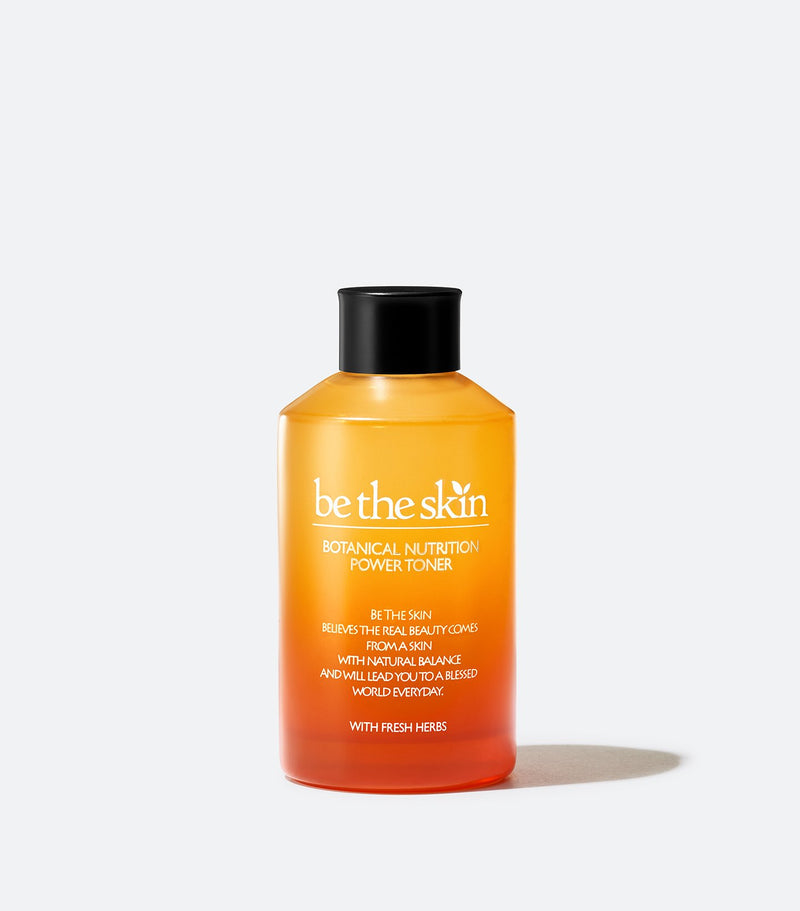
Be The Skin Botanical Nutrition Power Toner

Be The Skin Botanical Nutrition Power Toner
Be The Skin
be-the-skin-botanical-nutrition-power-toner
Tone
9784819155237
Morning or Evening?
How often will you use this product?
Notes


Highlights
WHAT IS IT?
pH balancing toner with natural ingredients
FEATURES
Balances pH levels, hydrates skin, improves firmness, viscous gel texture
BEST FOR
dry
CHECKS
Alcohol-free
Who Is It For?
All Skin Types Especially Dry SkinWhat Does It Help With?
Dryness Dullness Fine Lines/wrinkles Redness SensitivityBudget
Affordable (under $30)How To Use
Which routine should it be used in?
Instructions:
Key Information

What Be The Skin Says
Product Description:
A royal-jelly infused toner with all-natural ingredients that balances the skin's pH levels and hydrates the skin while helping to improve skin's firmness
About the Brand:
Ingredients Overview
Ingredients List
Water, Laurus-Nobilis-Leaf-Extract, Pentylene-Glycol, Glycerin, Polyglyceryl-10-Eicosanedioate/Tetradecanedioate, Biosaccharide-Gum-4, Polymethylsilsesquioxane, Arginine, Piper-Methysticum-Leaf/Root/Stem-Extract, Hamamelis-Virginiana-Leaf-Extract, Artemisia-Umbelliformis-Extract, Buddleja-Davidii-Extract, Thymus-Vulgaris-Flower/Leaf-Extract, Honey-Extract, Royal-Jelly-Extract, Arnica-Montana-Flower-Extract, Cucumis-Sativus-Fruit-Extract, Hedera-Helix-Extract, Sambucus-Nigra-Flower-Extract, Malva-Sylvestris-Flower-Extract, Parietaria-Officinalis-Extract
Key Ingredients
Royal Jelly Extract, Honey Extract, Witch Hazel Extract, Cucumber Extract
Ingredients Details
Arginine
Common Name(s): L-arginine,2-amino-5-guanidinopentanoic acid
CAS Number: 74-79-3
DESCRIPTION
What It Does: Conditions skin, attracts moisture, supports wound healing, and improves microcirculation via no synthesis.
Why It's Used: Multi-functional amino acid for skin hydration, conditioning, and wound healing in peptide and nmf formulations.
How It Works: Guanidinium group binds water (humectant). substrate for nitric oxide synthase (enos) producing nitric oxide that vasodilates capillaries improving skin nutrition. stimulates fibroblast proliferation for wound healing.
Typically Found In: Anti-aging serums,wound healing products,nmf moisturizers,scalp treatments
TECHNICAL DETAILS
Primary Category: Active ingredient – amino acid
Secondary Functions: Wound healing,microcirculation,nmf component
Application Areas:

Facial Skincare

Body Care
Hair Care
Beard Care
Color Cosmetics (Makeup)
Dietary/Oral Supplements
Typical Concentration Range: 0.5%–5%
SOURCING & ETHICS
Vegan Status: Yes – plant-derived or synthetic
Halal Status: Yes
Source Notes: Fermentation-derived or synthetic. natural skin component.
SKIN COMPATIBILITY
Irritancy Rating: 1/5 – very low
Comedogenicity Rating: 0/5 – non-comedogenic
Sensitivity Concerns: Non-irritating; endogenous skin molecule.
Safe for Sensitive Skin: Yes
SAFETY & COMPATIBILITY
Safety Profile: Excellent safety profile. natural skin nmf component. ewg score: 1.
Works Well With: Hyaluronic acid,ceramides,peptides,other amino acids
Avoid Combining With: No significant incompatibilities
SCIENTIFIC NOTE
Arginine is a conditionally essential amino acid in wound healing where local demand exceeds synthesis capacity. topical arginine provides the nos substrate locally for no-mediated vasodilation and immune cell function in healing tissue.
Last Verified: Cosing database,cir safety assessment,witte & barbul arginine wound healing review
Primary Sources: 2026-03-12
Biosaccharide Gum-4
Common Name(s): Biosaccharide gum-4,biosaccharide gum-4,microbial exopolysaccharide,biotechnology polysaccharide active
CAS Number: N/a
DESCRIPTION
What It Does: Provides moisture retention from the polysaccharide's multiple hydroxyl groups, film-forming conditioning from the polymer chain architecture, and in some grades prebiotic selective fermentation by beneficial skin microbiome organisms.
Why It's Used: Microbial biosaccharides provide pharmaceutical-grade consistency unavailable from plant polysaccharides — controlled fermentation delivers the same polysaccharide structure and mw distribution every batch for reproducible clinical performance.
How It Works: Microbial eps fermentation in defined bioreactor medium → specific polysaccharide backbone structure determined by organism's transferase enzymes → consistent mw distribution (mw/mn < 1.5) → reproducible rheological and biological properties. the specific polysaccharide structure determines: moisture retention (h-bonding density), film quality (chain flexibility), and prebiotic selectivity (monosaccharide composition).
Typically Found In: Skin care,microbiome formulas
TECHNICAL DETAILS
Primary Category: Active ingredient – skin microbiome support
Secondary Functions: Microbiome balance,prebiotic effect
Application Areas:
Facial Skincare
Body Care
Hair Care
Beard Care
Color Cosmetics (Makeup)
Dietary/Oral Supplements
Typical Concentration Range: 0.1%–5%
SOURCING & ETHICS
Vegan Status: Yes
Halal Status: Yes
Source Notes: Fermentation-derived or plant-extracted.
SKIN COMPATIBILITY
Irritancy Rating: 1/5 – very low
Comedogenicity Rating: 0/5 – non-comedogenic
Sensitivity Concerns: Non-irritating; beneficial for sensitive skin.
Safe for Sensitive Skin: Yes
SAFETY & COMPATIBILITY
Safety Profile: Excellent safety profile. ewg score: 1.
Works Well With: Ceramides,niacinamide,soothing actives
Avoid Combining With: No significant incompatibilities
SCIENTIFIC NOTE
Biosaccharide gum grades are organism-specific — each biosaccharide gum number designates a specific organism and structure with distinct functional properties. formulators should characterise the specific grade's viscosity, water retention, and prebiotic activity for target application.
Last Verified: Cosing database,biosaccharide gum-4 microbial eps review
Primary Sources: 2026-03-22
Buddleja Davidii Extract
Common Name(s): Buddleja davidii extract,botanical extract,phytochemical active
CAS Number: N/a
DESCRIPTION
What It Does: Provides antioxidant protection from reactive oxygen species, reduces inflammatory cytokine production in skin, and conditions skin surface through the plant's secondary metabolite complex.
Why It's Used: Chosen for its natural origin narrative, traditional use heritage, and multi-functional phytochemical profile that supports several concurrent skin care claims from one ingredient.
How It Works: Polyphenols, terpenoids, and alkaloids in the extract scavenge ros via hydrogen atom transfer, inhibit nf-kb or cox-2 inflammatory pathways, and interact with skin surface proteins for conditioning.
Typically Found In: Botanical skin care,natural products
TECHNICAL DETAILS
Primary Category: Active ingredient – antioxidant
Secondary Functions: Free radical scavenging,anti-aging
Application Areas:
Facial Skincare
Body Care
Hair Care
Beard Care
Color Cosmetics (Makeup)
Dietary/Oral Supplements
Typical Concentration Range: 0.1%–10%
SOURCING & ETHICS
Vegan Status: Yes
Halal Status: Yes
Source Notes: Plant-derived extract or synthetic.
SKIN COMPATIBILITY
Irritancy Rating: 1/5 – very low
Comedogenicity Rating: 0/5 – non-comedogenic
Sensitivity Concerns: Non-irritating; well-tolerated.
Safe for Sensitive Skin: Yes
SAFETY & COMPATIBILITY
Safety Profile: Excellent safety profile. ewg score: 1.
Works Well With: Vitamin c,vitamin e,ferulic acid,spf,other antioxidants
Avoid Combining With: No significant incompatibilities
SCIENTIFIC NOTE
Plant secondary metabolites evolved as uv photoprotectants and antimicrobial agents — mechanisms that directly translate to cosmetic antioxidant and anti-inflammatory activity in human skin.
Last Verified: Cosing database,buddleja davidii extract botanical review
Primary Sources: 2026-03-12
Glycerin
Common Name(s): Glycerol,glycerine,1,2,3-propanetriol
CAS Number: 56-81-5
DESCRIPTION
What It Does: Glycerin pulls water from the environment and deeper skin layers into the outer skin layer (epidermis), boosting moisture levels and keeping skin soft, smooth, and plump.
Why It's Used: It is used in virtually every moisturizer, serum, and cleanser because it is highly effective at hydrating skin, is well-tolerated by all skin types, and enhances the texture and spreadability of formulations.
How It Works: As a humectant, glycerin forms hydrogen bonds with water molecules, trapping them in the skin. it also reinforces the skin barrier by integrating into lipid structures between skin cells.
Typically Found In: Moisturizers,serums,cleansers,toners,sheet masks,sunscreens,body lotions,shampoos,conditioners
TECHNICAL DETAILS
Primary Category: Humectant
Secondary Functions: Skin barrier support,emollient,solvent
Application Areas:
Facial Skincare
Body Care
Hair Care
Beard Care
Color Cosmetics (Makeup)
Dietary/Oral Supplements
Typical Concentration Range: 1%–30% (typical: 3–10%)
SOURCING & ETHICS
Vegan Status: Yes – plant-derived (coconut, soy, palm) or synthetic
Halal Status: Yes – when plant-derived or synthetic; verify source with supplier
Source Notes: Derived from plant oils via hydrolysis or saponification; synthetic versions also available. palm-derived glycerin carries sustainability concerns.
SKIN COMPATIBILITY
Irritancy Rating: 1/5 – very low; non-irritating at all standard concentrations
Comedogenicity Rating: 0/5 – non-comedogenic
Sensitivity Concerns: Extremely rare allergic reactions; generally safe for all skin types including sensitive and baby skin
Safe for Sensitive Skin: Yes
SAFETY & COMPATIBILITY
Safety Profile: Widely recognized as safe. ewg hazard score: 1. no significant concerns for irritation, sensitization, or toxicity at typical concentrations (up to 50%).
Works Well With: Hyaluronic acid,ceramides,niacinamide,panthenol,urea,peptides,retinol,ahas/bhas
Avoid Combining With: No known incompatibilities at standard concentrations
SCIENTIFIC NOTE
Glycerin is an endogenous skin component found naturally in the stratum corneum. aquaporin-3 channels in keratinocytes facilitate glycerin transport, making it integral to natural skin hydration pathways.
Last Verified: Cosing database,cir safety assessment,ewg skin deep,inci decoder
Primary Sources: 2026-03-12
