

Tata Harper Skincare
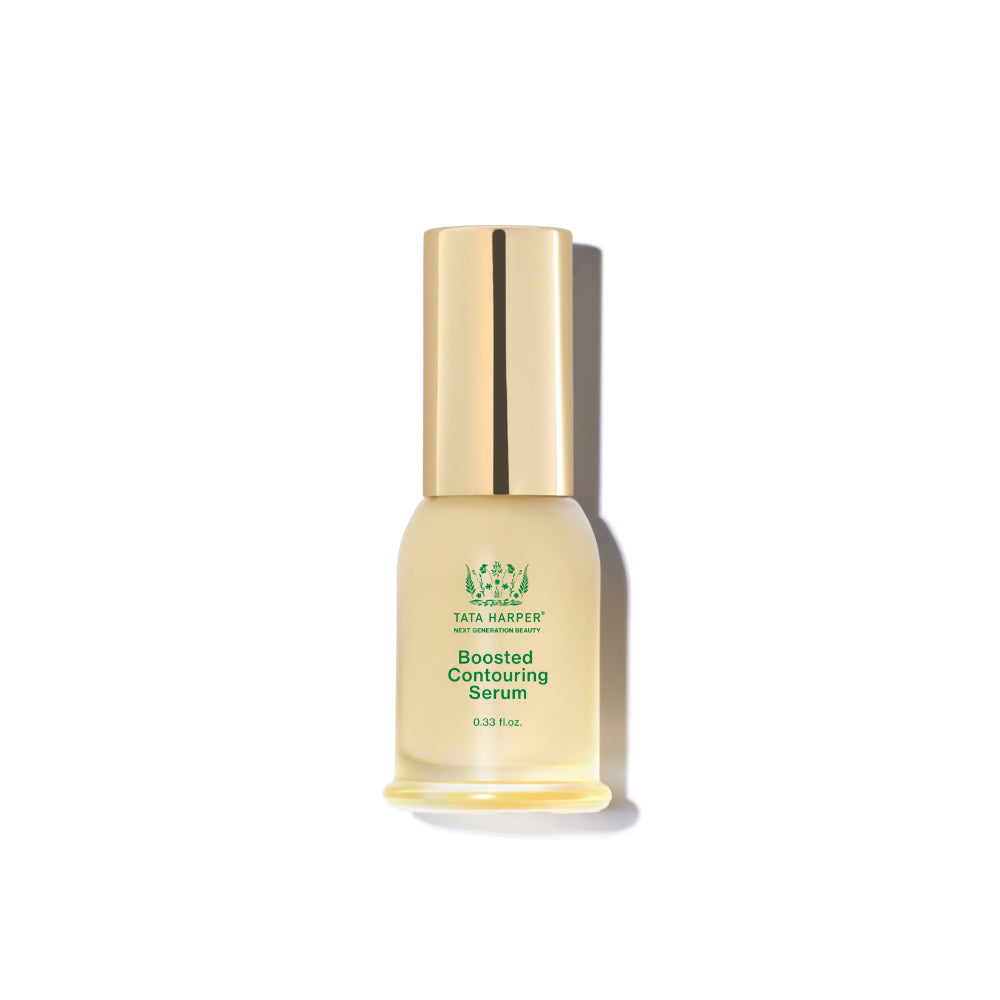
Boosted Contouring Serum

Boosted Contouring Serum
Tata Harper Skincare
boosted-contouring-serum
Serum
9784764760357
Morning or Evening?
How often will you use this product?
Notes


Highlights
WHAT IS IT?
Contouring serum with 62 active ingredients
FEATURES
Lifts and firms skin, provides plumping hydration, contains antioxidants, minimizes wrinkles
BEST FOR
dry
CHECKS
Free from harsh chemicals, synthetic chemicals, toxin, GMOs, fillers, artificial colors, artificial fragrances
Who Is It For?
Mature SkinWhat Does It Help With?
Loss Of Firmness Elasticity Fine Lines Wrinkles DrynessBudget
Professional (over $150)How To Use
Which routine should it be used in?
Instructions:
Key Information


What Tata Harper Skincare Says
Product Description:
A Supernatural serum that transforms the look of mature, sagging skin to restore a youthfully firm, lifted look. Best for loss of firmness/elasticity, fine lines & wrinkles, and dryness. This multi-targeted formula includes 14 sources to lift and firm the look of skin, 22 sources of plumping hydration, 11 sources of antioxidants, and 15 sources to minimize the look of wrinkles.
About the Brand:
Ingredients Overview
Ingredients List
Hordeum Vulgare Leaf Juice*, Aqua/Water/Eau, Glycerin, Caprylic/Capric Triglyceride, Rosa Damascena Flower Water*, Propanediol, Cocos Nucifera (Coconut) Fruit Extract, Silybum Marianum Ethyl Ester, Arachidyl Alcohol, Glyceryl Stearate SE, Helianthus Annuus (Sunflower) Seed Wax, Cetearyl Olivate, Cetyl Alcohol, Dipalmitoyl Hydroxyproline, Glyceryl Undecylenate, Algae Extract, Narcissus Tazetta Bulb Extract*, Hyaluronic Acid, Citrus Aurantium Dulcis (Orange) Flower Extract, Punica Granatum Extract, Carthamus Tinctorius (Safflower) Oleosomes, Leontopodium Alpinum Callus Culture Extract, Sambucus Nigra Fruit Extract, Calcium Ketogluconate, Phoenix Dactylifera (Date) Seed Extract, Sodium Hyaluronate, Voandzeia Subterranea Seed Extract, Pistacia Lentiscus (Mastic) Gum, Centella Asiatica Extract, Hydrolyzed Algin, Alaria Esculenta Extract, Menyanthes Trifoliata Leaf Extract, Rosmarinyl Glucoside, Lavandula Stoechas Extract, Caffeyl Glucoside, Gallyl Glucoside, Sorbitan Olivate, Ribose, Rosa Rubiginosa Seed Oil*, Saccharide Isomerate, Arachidyl Glucoside, Salix Alba (Willow) Bark Extract, Glyceryl Caprylate, Helianthus Annuus (Sunflower) Seed Oil, Opuntia Ficus Indica*, Santalum Spicatum Seed Oil, Camellia Oleifera Seed Oil*, Camellia Sinensis (Green Tea) Seed Oil*, Euterpe Oleracea Fruit Oil*, Plukenetia Volubilis Seed Oil*, Anthemis Nobilis (Chamomile) Flower Oil, Arnica Montana (Arnica) Extract*, Borago Officinalis (Borage) Leaf Extract*, Calendula Officinalis (Calendula) Flower Extract*, Jasminum Grandiflorum (Jasmine) CO2 Extract, Medicago Sativa (Alfalfa) Extract*, Spiraea Ulmaria (Meadowsweet) Extract*, Tocopherol, Olea Europaea (Olive) Oil*, Cymbopogon Flexuosus (Lemongrass) Oil, Behenyl Alcohol, Maltodextrin, Xanthan Gum, p-Anisic Acid, Acacia Senegal Gum, Cistus Landaniferus (Cistus) Oil, Citric Acid, Sodium Citrate, Phenethyl Alcohol, Linalool, Citral, Benzyl Benzoate, Eugenol, Geraniol, Benzyl Alcohol, Limonene
Key Ingredients
Centella asiatica extract, tocopherol, hyaluronic acid, camellia sinensis seed oil, algae extract, punica granatum extract, camellia oleifera seed oil, glycerin, caprylic/capric triglyceride, cocos nucifera fruit extract, helianthus annuus seed wax, sodium hyaluronate, rosa rubiginosa seed oil, saccharide isomerate, helianthus annuus seed oil, plukenetia volubilis seed oil
Ingredients Details
Arachidyl Alcohol
Common Name(s): Fatty alcohol,co-emulsifier thickener,emollient emulsion stabiliser
CAS Number: N/a
DESCRIPTION
What It Does: Thickens o/w emulsions by forming a lamellar crystal gel network with nonionic emulsifiers, provides co-emulsifier activity at the oil-water interface, and conditions skin from the c16-c18 chain's sc lipid compatibility.
Why It's Used: Fatty alcohols are irreplaceable in conventional o/w cream formulation — the lamellar gel network they form with peg emulsifiers provides the thick, stable cream texture that consumers expect, while delivering emolliency unavailable from wax-only structuring.
How It Works: Cetyl/stearyl alcohol packs into α-gel or β-gel crystal phases with peg surfactants (ceteareth-20, polysorbates) at 60–80°c, forming an ordered lamellar bilayer network on cooling. this network provides zero-shear viscosity (cream texture) and mechanical emulsion stability simultaneously — the fundamental mechanism of classical o/w cream formulation.
Typically Found In: Creams,lotions,o/w emulsions
TECHNICAL DETAILS
Primary Category: Functional ingredient – emollient
Secondary Functions: Barrier sealing,softening
Application Areas:

Facial Skincare
Body Care
Hair Care

Beard Care
Color Cosmetics (Makeup)
Dietary/Oral Supplements
Typical Concentration Range: 1%–15%
SOURCING & ETHICS
Vegan Status: Yes - standard ethanol routes are non-animal; confirm denaturant origin
Halal Status: Conditional - ethanol production route and residual concentration; jurisdiction-dependent, refer to certifier stance
Source Notes: Plant-derived, synthetic or animal-derived. verify source. [audit 2026-07-29 rev2: ethanol pathway; determination depends on route, on whether the plant also produces beverage alcohol, and on residual concentration. determination requires shariah-panel sign-off.]
SKIN COMPATIBILITY
Irritancy Rating: 1/5 – very low
Comedogenicity Rating: 1/5 – low; formulation-dependent
Sensitivity Concerns: Non-irritating.
Safe for Sensitive Skin: Yes
SAFETY & COMPATIBILITY
Safety Profile: Excellent safety profile. ewg score: 1.
Works Well With: Humectants,ceramides,actives as carrier
Avoid Combining With: No significant incompatibilities
SCIENTIFIC NOTE
The fatty alcohol + peg emulsifier ratio is critical: 1:3 (fatty alcohol:peg emulsifier by weight) typically provides optimal lamellar gel network formation and cream texture. deviating from this ratio shifts the phase structure from lamellar gel to micellar, reducing viscosity.
Last Verified: 2026-03-12
Primary Sources: Cosing database,fatty alcohol lamellar gel cream texture review
Caprylic/capric Triglyceride
Common Name(s): Mct oil,fractionated coconut oil,c8/c10 triglyceride
CAS Number: 73398-61-5
DESCRIPTION
What It Does: Lightweight, stable emollient that solubilizes oil-soluble actives for excellent delivery without greasy feel.
Why It's Used: Universal lightweight emollient base and solubilizer for oil-soluble actives in serums and low-viscosity formulations where mineral oil or petrolatum would be too heavy.
How It Works: Medium-chain length provides ideal balance of spreading coefficient, penetration rate, and barrier-sealing properties. excellent solubilizer for vitamin e, retinoids, and other lipophilic actives.
Typically Found In: Serums,facial oils,sunscreens,anti-aging products,hair products
TECHNICAL DETAILS
Primary Category: Active ingredient – medium-chain triglyceride emollient
Secondary Functions: Active solubilizer,spreading agent
Application Areas:
Facial Skincare
Body Care
Hair Care
Beard Care
Color Cosmetics (Makeup)
Dietary/Oral Supplements
Typical Concentration Range: 1%–50%
SOURCING & ETHICS
Vegan Status: Conditional - feedstock declaration required
Halal Status: Unverified - feedstock declaration required (plant, animal and petrochemical routes all exist)
Source Notes: Fractionated by hydrolysis and re-esterification of coconut oil. only c8 and c10 fatty acids retained. [audit 2026-07-29 rev2: origin-dependent: the same inci exists in plant, animal and petrochemical versions and the name does not discriminate. determination requires shariah-panel sign-off.]
SKIN COMPATIBILITY
Irritancy Rating: 1/5 – very low
Comedogenicity Rating: 1/5 – very low; medium-chain length generally non-comedogenic
Sensitivity Concerns: Non-irritating.
Safe for Sensitive Skin: Yes
SAFETY & COMPATIBILITY
Safety Profile: Excellent safety profile. ewg score: 1.
Works Well With: Humectants,ceramides,actives as carrier
Avoid Combining With: No significant incompatibilities
SCIENTIFIC NOTE
Mct oil's medium-chain length (c8/c10) provides superior oxidative stability vs longer polyunsaturated chains and better skin aesthetics (lighter, less greasy) vs longer chain emollients (c16/c18). excellent solubilizer for retinoic acid, tocopheryl esters, and other lipophilic actives.
Last Verified: 2026-03-12
Primary Sources: Cosing database,cir safety assessment,ewg skin deep
Cocos Nucifera (coconut) Fruit Extract
Common Name(s): Cocos nucifera (coconut) fruit extract,botanical extract,phytochemical active
CAS Number: N/a
DESCRIPTION
What It Does: Provides antioxidant protection from reactive oxygen species, reduces inflammatory cytokine production in skin, and conditions skin surface through the plant's secondary metabolite complex.
Why It's Used: Chosen for its natural origin narrative, traditional use heritage, and multi-functional phytochemical profile that supports several concurrent skin care claims from one ingredient.
How It Works: Polyphenols, terpenoids, and alkaloids in the extract scavenge ros via hydrogen atom transfer, inhibit nf-kb or cox-2 inflammatory pathways, and interact with skin surface proteins for conditioning.
Typically Found In: Botanical skin care,natural products
TECHNICAL DETAILS
Primary Category: Active ingredient – antioxidant
Secondary Functions: Free radical scavenging,anti-aging
Application Areas:
Facial Skincare
Body Care
Hair Care
Beard Care
Color Cosmetics (Makeup)
Dietary/Oral Supplements
Typical Concentration Range: 0.1%–10%
SOURCING & ETHICS
Vegan Status: Yes
Halal Status: Yes
Source Notes: Plant-derived extract or synthetic.
SKIN COMPATIBILITY
Irritancy Rating: 1/5 – very low
Comedogenicity Rating: 0/5 – non-comedogenic
Sensitivity Concerns: Non-irritating; well-tolerated.
Safe for Sensitive Skin: Yes
SAFETY & COMPATIBILITY
Safety Profile: Excellent safety profile. ewg score: 1.
Works Well With: Vitamin c,vitamin e,ferulic acid,spf,other antioxidants
Avoid Combining With: No significant incompatibilities
SCIENTIFIC NOTE
Plant secondary metabolites evolved as uv photoprotectants and antimicrobial agents — mechanisms that directly translate to cosmetic antioxidant and anti-inflammatory activity in human skin.
Last Verified: 2026-03-12
Primary Sources: Cosing database,cocos nucifera (coconut) fruit extr botanical review
Glycerin
Common Name(s): Glycerol,glycerine,1,2,3-propanetriol
CAS Number: 56-81-5
DESCRIPTION
What It Does: Glycerin pulls water from the environment and deeper skin layers into the outer skin layer (epidermis), boosting moisture levels and keeping skin soft, smooth, and plump.
Why It's Used: It is used in virtually every moisturizer, serum, and cleanser because it is highly effective at hydrating skin, is well-tolerated by all skin types, and enhances the texture and spreadability of formulations.
How It Works: As a humectant, glycerin forms hydrogen bonds with water molecules, trapping them in the skin. it also reinforces the skin barrier by integrating into lipid structures between skin cells.
Typically Found In: Moisturizers,serums,cleansers,toners,sheet masks,sunscreens,body lotions,shampoos,conditioners
TECHNICAL DETAILS
Primary Category: Humectant
Secondary Functions: Skin barrier support,emollient,solvent
Application Areas:
Facial Skincare
Body Care
Hair Care
Beard Care
Color Cosmetics (Makeup)
Dietary/Oral Supplements
Typical Concentration Range: 1%–30% (typical: 3–10%)
SOURCING & ETHICS
Vegan Status: Conditional - feedstock declaration required
Halal Status: Unverified - feedstock declaration required (plant, animal and petrochemical routes all exist)
Source Notes: Derived from plant oils via hydrolysis or saponification; synthetic versions also available. palm-derived glycerin carries sustainability concerns. [audit 2026-07-29 rev2: origin-dependent: the same inci exists in plant, animal and petrochemical versions and the name does not discriminate. determination requires shariah-panel sign-off.]
SKIN COMPATIBILITY
Irritancy Rating: 1/5 – very low; non-irritating at all standard concentrations
Comedogenicity Rating: 0/5 – non-comedogenic
Sensitivity Concerns: Extremely rare allergic reactions; generally safe for all skin types including sensitive and baby skin
Safe for Sensitive Skin: Yes
SAFETY & COMPATIBILITY
Safety Profile: Widely recognized as safe. ewg hazard score: 1. no significant concerns for irritation, sensitization, or toxicity at typical concentrations (up to 50%).
Works Well With: Hyaluronic acid,ceramides,niacinamide,panthenol,urea,peptides,retinol,ahas/bhas
Avoid Combining With: No known incompatibilities at standard concentrations
SCIENTIFIC NOTE
Glycerin is an endogenous skin component found naturally in the stratum corneum. aquaporin-3 channels in keratinocytes facilitate glycerin transport, making it integral to natural skin hydration pathways.
Last Verified: 2026-03-12
Primary Sources: Cosing database,cir safety assessment,ewg skin deep,inci decoder