

Odacité
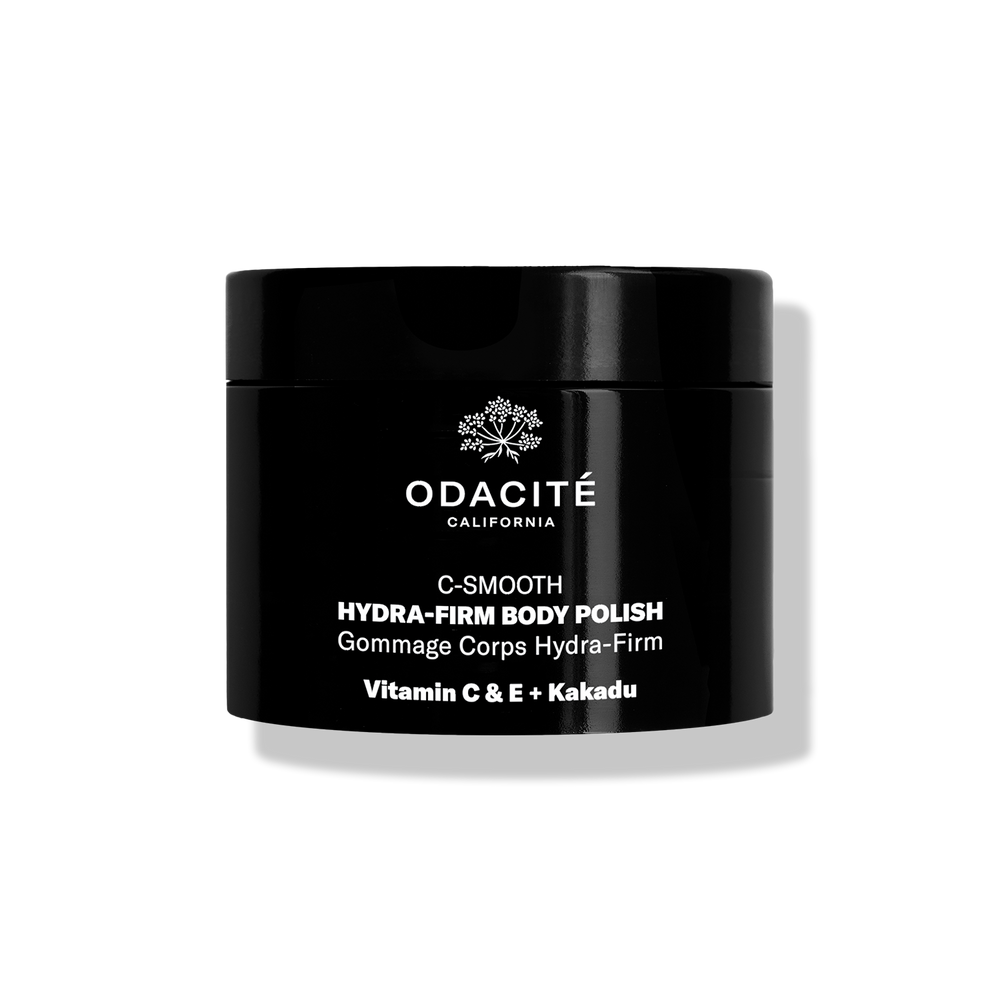
C-Smooth Hydra-Firm Body Polish Vitamin C & E + Kakadu

C-Smooth Hydra-Firm Body Polish Vitamin C & E + Kakadu
Odacité
c-smooth-hydra-firm-body-polish-vitamin-c-e-kakadu
Body care
9706787012901
Morning or Evening?
How often will you use this product?
Notes


Highlights
WHAT IS IT?
Body polish with multiple ingredients
FEATURES
Hydrating, firming, exfoliating
BEST FOR
suitable for all skin types
CHECKS
Free of parabens, fillers, nanoparticles, petrochemicals, PEG, synthetic perfumes, dyes, phenoxyethanol
Who Is It For?
Suitable For Adults Of All GendersWhat Does It Help With?
Smoothing Skin Texture Firming Evening Skin Tone HydrationBudget
Mid-rangeHow To Use
Which routine should it be used in?
Instructions:
Key Information


What Odacité Says
Product Description:
More than just a body scrub, this firming body polish sheds dead skin while infusing skin with the rich moisture of Mango & Shea Butters as well as a double dose of Vitamin C to reveal skin that feels silky smooth to the touch and looks visibly more even, firm, and luminous.
About the Brand:
Ingredients Overview
Ingredients List
Sucrose, Carthamus Tinctorius [Safflower] seed oil, Butyrospermum Parkii [Shea] Butter, Mangifera Indica [Mango] Seed Butter, Sodium Cocoyl Isethionate, Daucus carota [Wild Carrot] seed oil, TetrahexylDecyl Ascorbate [Vitamin C], Rosmarinus Officinalis [Rosemary] antioxidant, Tocopherol, Citrus Aurantium Dulcis [Sweet Orange] peel Oil, Ocimum Basilicum [Basil] Oil, Linalool, Citral
Key Ingredients
Sucrose (Sugar), Safflower Seed Oil, Shea Butter, Mango Seed Butter, Vitamin C (TetrahexylDecyl Ascorbate), Vitamin E (Tocopherol)
Ingredients Details
Sodium Cocoyl Isethionate
Common Name(s): Sci,baby foam,coconut foam
CAS Number: 61789-32-0
DESCRIPTION
What It Does: Provides excellent foaming cleansing with skin-conditioning isethionate chemistry and minimal irritation.
Why It's Used: Superior mild cleansing for sensitive skin and baby products – provides the foaming performance consumers expect with dramatically reduced irritation vs sls.
How It Works: Isethionate headgroup (2-hydroxy ethane sulfonate) reduces protein binding and denaturing vs sulfate. coconut fatty acid chain provides micelle formation. skin conditioning from the isethionate's hydroxyl group. very low irritation zein test score.
Typically Found In: Gentle cleansers,baby products,sensitive skin bars,shampoos
TECHNICAL DETAILS
Primary Category: Functional ingredient – isethionate surfactant
Secondary Functions: Skin conditioning
Application Areas:

Facial Skincare
Body Care
Hair Care

Beard Care
Color Cosmetics (Makeup)
Dietary/Oral Supplements
Typical Concentration Range: 2%–20%
SOURCING & ETHICS
Vegan Status: Yes – from coconut fatty acids + isethionate (synthetic)
Halal Status: Yes
Source Notes: Commercially produced for cosmetic use. verify vegan/halal status with supplier.
SKIN COMPATIBILITY
Irritancy Rating: 1/5 – very low
Comedogenicity Rating: 0/5 – non-comedogenic
Sensitivity Concerns: Well-tolerated by most skin types.
Safe for Sensitive Skin: Yes
SAFETY & COMPATIBILITY
Safety Profile: Good safety profile at recommended concentrations. ewg score: 1–2.
Works Well With: Standard skincare actives
Avoid Combining With: No known significant incompatibilities
SCIENTIFIC NOTE
Sci's exceptional mildness is demonstrated by its near-zero protein denaturation in zein testing (a standard measure of surfactant aggressiveness). by comparison, sodium lauryl sulfate denatures 90% of zein protein at equivalent concentrations, while sci denatures <5%, explaining the dramatic difference in skin and eye irritation between the two surfactants.
Last Verified: Cosing database,ananthapadmanabhan et al. surfactant skin irritation review
Primary Sources: 2026-03-12
Sucrose
Common Name(s): Sucrose,cosmetic active,functional ingredient
CAS Number: N/a
DESCRIPTION
What It Does: Delivers characteristic cosmetic function at recommended use concentration.
Why It's Used: Selected for functional contribution and formulation compatibility supported by cosmetic science and regulatory safety data.
How It Works: Works through the mechanism of its molecular class as documented in peer-reviewed cosmetic literature.
Typically Found In: Skin care formulations
TECHNICAL DETAILS
Primary Category: Active ingredient – cosmetic active
Secondary Functions: Skin conditioning
Application Areas:
Facial Skincare
Body Care
Hair Care
Beard Care
Color Cosmetics (Makeup)
Dietary/Oral Supplements
Typical Concentration Range: 0.1%–10%
SOURCING & ETHICS
Vegan Status: Conditional
Halal Status: Yes
Source Notes: Commercially produced for cosmetic use. verify vegan/halal status with supplier.
SKIN COMPATIBILITY
Irritancy Rating: 1/5 – very low
Comedogenicity Rating: 0/5 – non-comedogenic
Sensitivity Concerns: Well-tolerated by most skin types.
Safe for Sensitive Skin: Yes
SAFETY & COMPATIBILITY
Safety Profile: Good safety profile at recommended concentrations. ewg score: 1–2.
Works Well With: Standard skincare actives
Avoid Combining With: No known significant incompatibilities
SCIENTIFIC NOTE
Sucrose has an established safety profile within the cosmetic regulatory framework at standard use concentrations.
Last Verified: Cosing database,sucrose technical literature
Primary Sources: 2026-03-12
Tocopherol
Common Name(s): Vitamin e,alpha-tocopherol,d-alpha-tocopherol,(+)-alpha-tocopherol
CAS Number: 59-02-9
DESCRIPTION
What It Does: Tocopherol neutralizes free radicals that damage skin cells, protects cell membranes from lipid peroxidation, moisturizes, and helps maintain a healthy skin barrier.
Why It's Used: It is used as both a skin-active antioxidant and a formulation stabilizer (preventing oxidation of other ingredients). it has decades of safety and efficacy evidence and works synergistically with vitamin c.
How It Works: As a chain-breaking antioxidant, tocopherol donates hydrogen atoms to interrupt lipid peroxidation chain reactions. it is regenerated by vitamin c (ascorbic acid) in the vitamins c+e antioxidant cycle, creating a more durable antioxidant defense.
Typically Found In: Moisturizers,serums,oils,sunscreens,eye creams,lip balms,antioxidant formulations,haircare products
TECHNICAL DETAILS
Primary Category: Active ingredient – antioxidant/vitamin e
Secondary Functions: Emollient,formulation stabilizer,barrier support
Application Areas:
Facial Skincare
Body Care
Hair Care
Beard Care
Color Cosmetics (Makeup)
Dietary/Oral Supplements
Typical Concentration Range: 0.1%–1% (typical: 0.1–0.5% as active; higher as formulation antioxidant)
SOURCING & ETHICS
Vegan Status: Yes – plant-derived (soybean, sunflower, wheat germ oil) or synthetic
Halal Status: Yes – plant-derived or synthetic
Source Notes: Natural d-alpha-tocopherol is derived from plant oils and is more bioactive. synthetic dl-alpha-tocopherol is less expensive. tocopherol acetate (tocopheryl acetate) is the more stable ester form.
SKIN COMPATIBILITY
Irritancy Rating: 1/5 – very low; rare contact sensitivity reported
Comedogenicity Rating: 2/5 – mildly comedogenic at higher concentrations; formulation-dependent
Sensitivity Concerns: A small percentage of people report contact sensitization to tocopherol, particularly with leave-on products. comedogenicity risk is higher in oil-heavy formulations.
Safe for Sensitive Skin: Generally yes; perform patch test if history of vitamin e sensitivity
SAFETY & COMPATIBILITY
Safety Profile: Very safe; widely used. ewg hazard score: 2–3 (depending on concentration). no significant systemic concerns from topical use.
Works Well With: Ascorbic acid (vitamin c) – synergistic antioxidant pair,ferulic acid – stabilizes and boosts both c and e,ceramides,spf,retinol
Avoid Combining With: Very high concentrations of benzoyl peroxide may oxidize tocopherol; potential comedogenicity concerns in acne-prone skin when in heavy oil bases
SCIENTIFIC NOTE
The combination of vitamin c, vitamin e, and ferulic acid (the 'ce ferulic' formulation) provides fourfold photoprotection against uv-induced free radical damage – a synergy documented in landmark research by pinnell et al.
Last Verified: Cosing database,cir safety assessment,pinnell et al. (2005) journal of investigative dermatology,efsa panel on food additives
Primary Sources: 2026-03-12
