

Paula's Choice
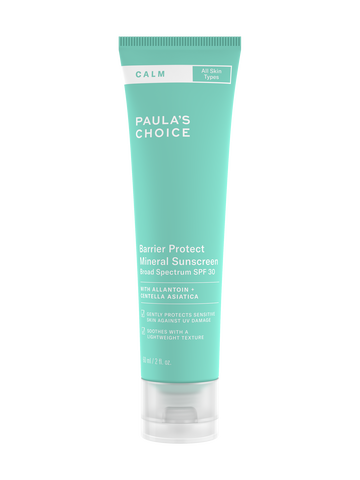
CALM Barrier Protect Mineral Sunscreen SPF 30

CALM Barrier Protect Mineral Sunscreen SPF 30
Paula's Choice
calm-barrier-protect-mineral-sunscreen-spf-30
Suncare
9818302284069
Morning or Evening?
How often will you use this product?
Notes


Highlights
WHAT IS IT?
Mineral Sunscreen SPF 30
FEATURES
Protects from UV rays, strengthens skin barrier, contains ceramides and colloidal oatmeal
BEST FOR
sensitive
CHECKS
Fragrance-free, oil-free
Who Is It For?
All Ages All GendersWhat Does It Help With?
Uv Protection Skin Barrier Strengthening Skin SoothingBudget
Affordable (under $30)How To Use
Which routine should it be used in?
Instructions:
Key Information


What Paula's Choice Says
Product Description:
A daily mineral sunscreen that protects sensitive skin from UV rays while strengthening the skin barrier with ceramides and soothing colloidal oatmeal
About the Brand:
Ingredients Overview
Ingredients List
Aqua/Water/Eau, Caprylic/Capric Triglyceride, C12-15 Alkyl Benzoate, Titanium Dioxide, Zinc Oxide, Ethylhexyl Methoxycrylene, Glycerin, Polyester-8, Aluminum Stearate, C15-19 Alkane, Hydrogenated Lecithin, Silica, Trehalose, Inulin, Alpha-Glucan Oligosaccharide, Ascorbyl Palmitate, Tocopherol, Echium Plantagineum Seed Oil, Helianthus Annuus (Sunflower) Seed Oil, Simmondsia Chinensis (Jojoba) Seed Oil, Centella Asiatica Extract, Polyhydroxystearic Acid, Alumina, Glyceryl Caprylate, Hydroxyethyl Acrylate/Sodium Acryloyldimethyl Taurate Copolymer, Leuconostoc/Radish Root Ferment Filtrate, Ammonium Acryloyldimethyltaurate/VP Copolymer, Caprylhydroxamic Acid, Triethoxycaprylylsilane, Diheptyl Succinate, Xanthan Gum, Allantoin, Sodium, Polyacrylate, Sodium Hydroxide, Acacia Senegal Gum, Sodium Citrate, Capryloyl Glycerin/Sebacic Acid, Copolymer, Polysorbate 60, Sorbitan Isostearate, Glyceryl Stearate, Lecithin, Glyceryl Oleate, Citric Acid, Sodium Benzoate
Key Ingredients
zinc-oxide, ceramides, colloidal-oatmeal
Ingredients Details
Aqua/water/eau
Common Name(s): Aqua/water/eau extract
DESCRIPTION
What It Does: Provides antioxidant protection, soothing anti-inflammatory effects, and skin-conditioning benefits through plant-derived polyphenols and phytochemicals.
Why It's Used: Plant extracts concentrate bioactive phytochemicals evolved for environmental protection — uv, microbial, and oxidative stressors — that translate to skin benefits.
How It Works: Polyphenols (flavonoids, phenolic acids) inhibit nf-κb-mediated inflammatory signaling, scavenge reactive oxygen species through electron donation, and chelate pro-oxidant metal ions to reduce oxidative skin damage.
Typically Found In: Serums,toners,moisturizers,masks,essences
TECHNICAL DETAILS
Primary Category: Botanical extracts
Secondary Functions: Antioxidant,anti-inflammatory
Application Areas:

Facial Skincare

Body Care
Hair Care
Beard Care
Color Cosmetics (Makeup)
Dietary/Oral Supplements
Typical Concentration Range: 0.1–10%
SOURCING & ETHICS
Vegan Status: Yes
Halal Status: Yes
Source Notes: Plant-derived extract; no animal components.
SKIN COMPATIBILITY
Irritancy Rating: 1
Comedogenicity Rating: 0
Sensitivity Concerns: Low sensitization potential at recommended use concentrations.
Safe for Sensitive Skin: Yes
SAFETY & COMPATIBILITY
Safety Profile: Well-characterized cosmetic ingredient with established safety profile. generally non-irritating at typical use concentrations. suitable for leave-on and rinse-off cosmetics.
Works Well With: Niacinamide,hyaluronic acid,vitamin c,ceramides
Avoid Combining With: Strong oxidizing agents
SCIENTIFIC NOTE
Plant secondary metabolites (flavonoids, terpenes, phenolic acids) are biosynthesized as defense compounds against uv, herbivores, and pathogens. their anti-inflammatory activity typically derives from competitive inhibition of cox-2 and 5-lox enzymes (ic50 1–50 µm), while antioxidant activity involves single electron transfer (set) and hydrogen atom transfer (hat) mechanisms with structure-dependent rate constants.
Last Verified: Cosing eu database; pcpc cosmetic ingredient safety reviews; phytochemical and ethnobotanical literature
Primary Sources: 2025-01-15
