

CHI
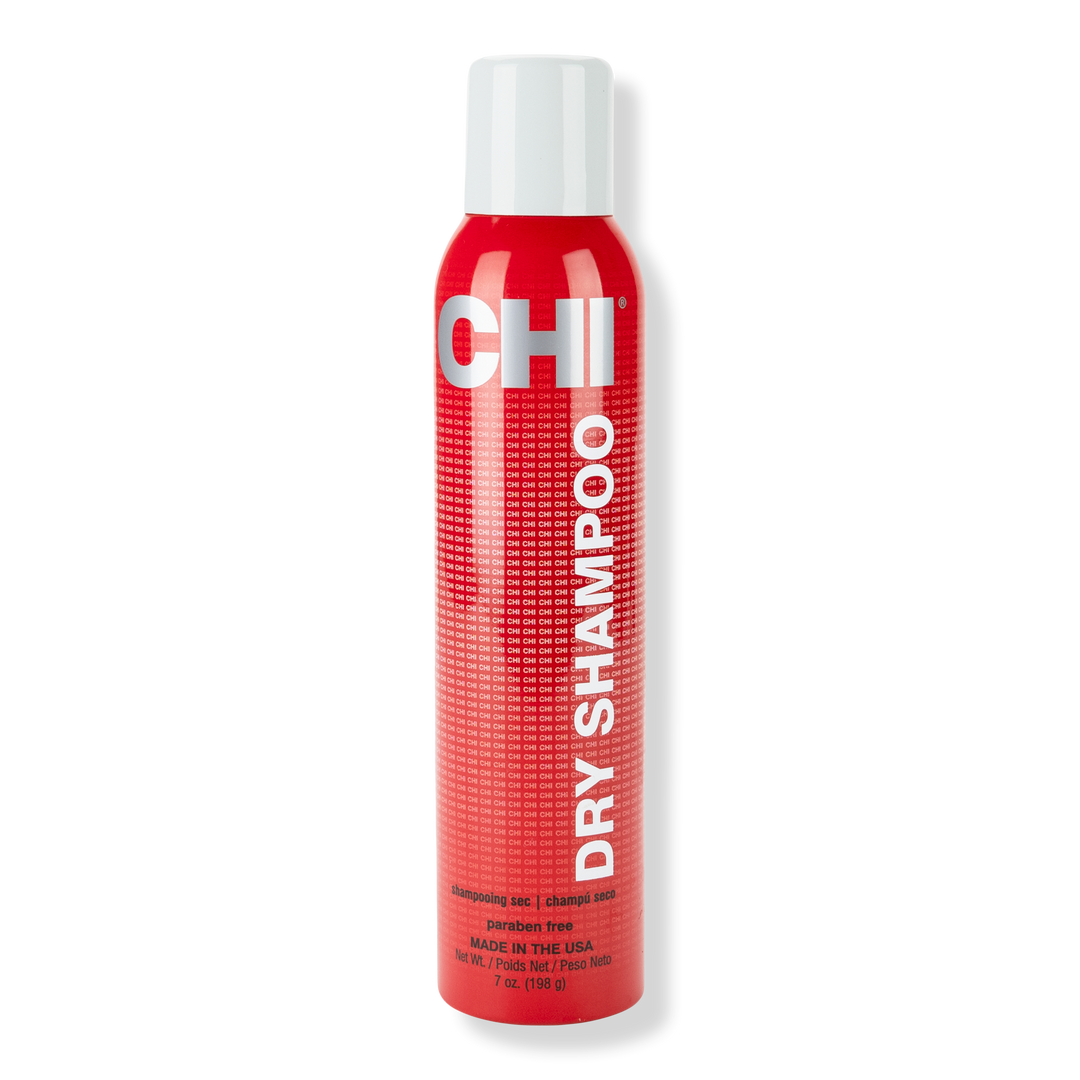
CHI Dry Shampoo
CHI Dry Shampoo is a waterless formula that is lightweight, absorbs excess oils while refreshing the scalp between shampoos, and helps to provide texture.
Sulfate-free
Paraben-free
Color-safe
Oily Scalp
Fine
Thick
Optimized for Your Environment & Lifestyle
Nykaa
In stock
Recommended

CHI Dry Shampoo
CHI
chi-dry-shampoo
Dry Shampoo
10355426328869
Morning or Evening?
How often will you use this product?
Notes


Secure payment protection
Your Biodata Compatibility Analysis
Based on your 6 hair health indices and environmental factors
Poor Match
Significant incompatibilities
Growth Cycle Health Index
Hair Match
Hair Health Index Alignment
Optimal for OSI, SSI, DI, HSI
Ingredient Efficacy
Matching Ingredient Score
Environment Compatibility
Current UV, Air Quality & Humidity
Why This Works for Your Specific Profile
Damage Index:
Damage levels outside specified range may not benefit optimally from product formulation
Water Quality:
Hard water minerals overwhelm gentle formulation causing inadequate cleansing and progressive buildup
Hair:
No porosity-specific conflicts
Active Lifestyle:
Low activity produces insufficient stress or buildup making product intensity unnecessarily harsh
Your Hair Profile Integration
Your Hair Archetype

Density Level

Washing Frequency

Shedding Level

Oil Level
Your Hair Health Indices
Oil Secretion (OSI)
Very low oil production
Scalp Sensitivity (SSI)
Very low sensitivity
Growth Rate (CMR)
Poor metabolism rate
Damage Index (DI)
Minimal damage
Hair Strength (HSI)
Very weak strength
Softness Index (SI)
Significant improvement needed
Water & Environmental Integration

Water:


Expected Results & Timeline
Key Highlights

What is it?
Dry Shampoo with 13 ingredients

Who Is It For
All Ages, All Genders

Budget
Rs. 2,155.04 - Rs. 4,310.08

Timeline
Immediate
Why You’ll Love It

What Does It Help With?
Absorbing excess oils, Refreshing the scalp, Providing texture

Best for
Oily Scalp

Features
Blends in hair seamlessly, Lightweight formula, Refreshes the scalp between shampoo

Checks
Cruelty Free
Ingredients Overview
Ingredients List
Hydrofluorocarbon-152a, Alcohol-Denat, Oryza-Sativa-(Rice)-Starch, Aluminum-Starch-Octenylsuccinate, Hydrolyzed-Silk, Tocopheryl-(Vitamin-E)-Acetate, Panthenol, Aqua/Water/Eau, Acrylates-Copolymer, Magnesium-Carbonate, Cetrimonium-Chloride, Polysilicone-19, Dicetyldimonium-Chloride, Fragrance-(Parfum), Benzyl-Benzoate, Hexyl-Cinnamal
Key Ingredients
Oryza-Sativa-(Rice)-Starch, Hydrolyzed-Silk, Tocopheryl-(Vitamin-E)-Acetate, Panthenol
Ingredients Details
Aqua/water/eau
Common Name(s): Aqua/water/eau extract
DESCRIPTION
What It Does: Provides antioxidant protection, soothing anti-inflammatory effects, and skin-conditioning benefits through plant-derived polyphenols and phytochemicals.
Why It's Used: Plant extracts concentrate bioactive phytochemicals evolved for environmental protection — uv, microbial, and oxidative stressors — that translate to skin benefits.
How It Works: Polyphenols (flavonoids, phenolic acids) inhibit nf-κb-mediated inflammatory signaling, scavenge reactive oxygen species through electron donation, and chelate pro-oxidant metal ions to reduce oxidative skin damage.
Typically Found In: Serums,toners,moisturizers,masks,essences
TECHNICAL DETAILS
Primary Category: Botanical extracts
Secondary Functions: Antioxidant,anti-inflammatory
Application Areas:

Facial Skincare

Body Care
Hair Care
Beard Care
Color Cosmetics (Makeup)
Dietary/Oral Supplements
Typical Concentration Range: 0.1–10%
SOURCING & ETHICS
Vegan Status: Yes
Halal Status: Yes
Source Notes: Plant-derived extract; no animal components.
SKIN COMPATIBILITY
Irritancy Rating: 1
Comedogenicity Rating: 0
Sensitivity Concerns: Low sensitization potential at recommended use concentrations.
Safe for Sensitive Skin: Yes
SAFETY & COMPATIBILITY
Safety Profile: Well-characterized cosmetic ingredient with established safety profile. generally non-irritating at typical use concentrations. suitable for leave-on and rinse-off cosmetics.
Works Well With: Niacinamide,hyaluronic acid,vitamin c,ceramides
Avoid Combining With: Strong oxidizing agents
SCIENTIFIC NOTE
Plant secondary metabolites (flavonoids, terpenes, phenolic acids) are biosynthesized as defense compounds against uv, herbivores, and pathogens. their anti-inflammatory activity typically derives from competitive inhibition of cox-2 and 5-lox enzymes (ic50 1–50 µm), while antioxidant activity involves single electron transfer (set) and hydrogen atom transfer (hat) mechanisms with structure-dependent rate constants.
Last Verified: Cosing eu database; pcpc cosmetic ingredient safety reviews; phytochemical and ethnobotanical literature
Primary Sources: 2025-01-15
Panthenol
Common Name(s): Provitamin b5,d-panthenol,dl-panthenol,d-pantothenyl alcohol,(r)-2,4-dihydroxy-n-(3-hydroxypropyl)-3,3-dimethylbutanamide
DESCRIPTION
What It Does: Panthenol deeply moisturizes skin and hair, soothes irritation, accelerates wound healing, strengthens the skin barrier, and improves hair elasticity and shine.
Why It's Used: It is used because it is exceptionally versatile, working in both skin and hair formulations. it is gentle enough for sensitive and post-procedure skin, and converts to the active vitamin b5 within the skin.
How It Works: Panthenol penetrates skin and hair, where it is oxidized to pantothenic acid (vitamin b5), a coenzyme a precursor essential to metabolism. in skin, it acts as a humectant and stimulates fibroblast proliferation. in hair, it coats the shaft, improving manageability.
Typically Found In: Moisturizers,serums,toners,after-sun products,wound healing products,shampoos,conditioners,hair masks,beard care
TECHNICAL DETAILS
Primary Category: Active ingredient – provitamin b5
Secondary Functions: Anti-inflammatory,wound healing,hair conditioning
Application Areas:
Facial Skincare
Body Care
Hair Care
Beard Care
Color Cosmetics (Makeup)
Dietary/Oral Supplements
Typical Concentration Range: 0.5%–5% (typical: 1–3%)
SOURCING & ETHICS
Vegan Status: Yes – synthetically produced
Halal Status: Yes
Source Notes: Commercially synthesized. both d- and dl-forms used in cosmetics; d-panthenol is the biologically active isomer but dl-panthenol is less expensive and widely used.
SKIN COMPATIBILITY
Irritancy Rating: 1/5 – very low; one of the most soothing ingredients in cosmetics
Comedogenicity Rating: 0/5 – non-comedogenic
Sensitivity Concerns: Extremely rare contact allergy; considered one of the safest cosmetic ingredients. suitable for all skin types.
Safe for Sensitive Skin: Yes – ideal for sensitive, reactive, and post-procedure skin
SAFETY & COMPATIBILITY
Safety Profile: Exceptionally safe. ewg hazard score: 1. no significant concerns for irritation, sensitization, or systemic toxicity. safe during pregnancy.
Works Well With: Hyaluronic acid,ceramides,allantoin,niacinamide,centella asiatica,retinol (reduces irritation),glycerin
Avoid Combining With: No known significant incompatibilities
SCIENTIFIC NOTE
Panthenol has demonstrated wound-healing properties in clinical studies, stimulating fibroblast proliferation and migration. its dual humectant and anti-inflammatory action makes it particularly effective in barrier-repair formulations.
Last Verified: Cosing database,cir safety assessment,ebner et al. (2002) skin pharmacology and applied skin physiology
Primary Sources: 2026-03-12
Panthenol
Common Name(s): Provitamin b5,d-panthenol,dl-panthenol,d-pantothenyl alcohol,(r)-2,4-dihydroxy-n-(3-hydroxypropyl)-3,3-dimethylbutanamide
DESCRIPTION
What It Does: Panthenol deeply moisturizes skin and hair, soothes irritation, accelerates wound healing, strengthens the skin barrier, and improves hair elasticity and shine.
Why It's Used: It is used because it is exceptionally versatile, working in both skin and hair formulations. it is gentle enough for sensitive and post-procedure skin, and converts to the active vitamin b5 within the skin.
How It Works: Panthenol penetrates skin and hair, where it is oxidized to pantothenic acid (vitamin b5), a coenzyme a precursor essential to metabolism. in skin, it acts as a humectant and stimulates fibroblast proliferation. in hair, it coats the shaft, improving manageability.
Typically Found In: Moisturizers,serums,toners,after-sun products,wound healing products,shampoos,conditioners,hair masks,beard care
TECHNICAL DETAILS
Primary Category: Active ingredient – provitamin b5
Secondary Functions: Anti-inflammatory,wound healing,hair conditioning
Application Areas:
Facial Skincare
Body Care
Hair Care
Beard Care
Color Cosmetics (Makeup)
Dietary/Oral Supplements
Typical Concentration Range: 0.5%–5% (typical: 1–3%)
SOURCING & ETHICS
Vegan Status: Yes – synthetically produced
Halal Status: Yes
Source Notes: Commercially synthesized. both d- and dl-forms used in cosmetics; d-panthenol is the biologically active isomer but dl-panthenol is less expensive and widely used.
SKIN COMPATIBILITY
Irritancy Rating: 1/5 – very low; one of the most soothing ingredients in cosmetics
Comedogenicity Rating: 0/5 – non-comedogenic
Sensitivity Concerns: Extremely rare contact allergy; considered one of the safest cosmetic ingredients. suitable for all skin types.
Safe for Sensitive Skin: Yes – ideal for sensitive, reactive, and post-procedure skin
SAFETY & COMPATIBILITY
Safety Profile: Exceptionally safe. ewg hazard score: 1. no significant concerns for irritation, sensitization, or systemic toxicity. safe during pregnancy.
Works Well With: Hyaluronic acid,ceramides,allantoin,niacinamide,centella asiatica,retinol (reduces irritation),glycerin
Avoid Combining With: No known significant incompatibilities
SCIENTIFIC NOTE
Panthenol has demonstrated wound-healing properties in clinical studies, stimulating fibroblast proliferation and migration. its dual humectant and anti-inflammatory action makes it particularly effective in barrier-repair formulations.
Last Verified: Cosing database,cir safety assessment,ebner et al. (2002) skin pharmacology and applied skin physiology
Primary Sources: 2026-03-12
Polysilicone-19
Common Name(s): Polysilicone-19
DESCRIPTION
What It Does: Creates a smooth, silky skin feel, reduces friction, and forms a breathable film on skin that enhances product application and wear.
Why It's Used: Silicones provide unmatched aesthetic elegance, thermal stability, and formulation flexibility that enhance both consumer experience and product performance.
How It Works: Siloxane backbone provides a flexible, chemically inert polymer that forms thin, breathable films on skin surface, filling surface irregularities and providing low surface energy for exceptional slip and spreadability.
Typically Found In: Moisturizers,primers,foundations,sunscreens,hair products
TECHNICAL DETAILS
Primary Category: Silicones
Secondary Functions: Emollient,film former
Application Areas:
Facial Skincare
Body Care
Hair Care
Beard Care
Color Cosmetics (Makeup)
Dietary/Oral Supplements
Typical Concentration Range: 0.5–30%
SOURCING & ETHICS
Vegan Status: Yes
Halal Status: Yes
Source Notes: Synthetic silicone polymer; not plant-derived but generally considered vegan.
SKIN COMPATIBILITY
Irritancy Rating: 1
Comedogenicity Rating: 0
Sensitivity Concerns: Low sensitization potential at recommended use concentrations.
Safe for Sensitive Skin: Yes
SAFETY & COMPATIBILITY
Safety Profile: Well-characterized cosmetic ingredient with established safety profile. generally non-irritating at typical use concentrations. suitable for leave-on and rinse-off cosmetics.
Works Well With: Other emollients,uv filters,pigments
Avoid Combining With: Silicone-sensitive formulations; biodegradability concerns in eco-formulations
SCIENTIFIC NOTE
Silicone polymers are poly(dimethylsiloxane) backbones with si-o bond energy (105 kcal/mol) significantly higher than c-c (83 kcal/mol), providing exceptional thermal and oxidative stability. the low surface energy (21 mn/m vs 30+ mn/m for organic polymers) accounts for silicone's unique slip feel, and the si-o bond's flexibility (rotation barrier ~0.3 kcal/mol) enables fluid behavior across wide temperature ranges.
Last Verified: Cosing eu database; pcpc cosmetic ingredient safety reviews; ingredient-specific safety and efficacy literature
Primary Sources: 2025-01-15
Personalized Usage Instructions
How to Use
Step 1
Shake can well before each use
Step 2
Spray CHI Dry Shampoo directly onto the roots of dry hair
Step 3
Massage with fingertips throughout the scalp
Step 4
Do not rinse
Step 5
Style as desired
Medical Chemicals

Protein/Moisture
- Protein
pH Level
- Acidic

Porosity Taget
- Normal Porosity
Customized for Your Profile
Scalp Condtions
Oil Control
Climate Suitability
Humid, Dry
Clinical Claims
Frequency
Shake can well before each use. Spray CHI Dry Shampoo directly onto the roots of dry hair. Massage with fingertips throughout the scalp. Do not rinse. Style as desired.
Product Information

Cruelty Free
