

Curlsmith
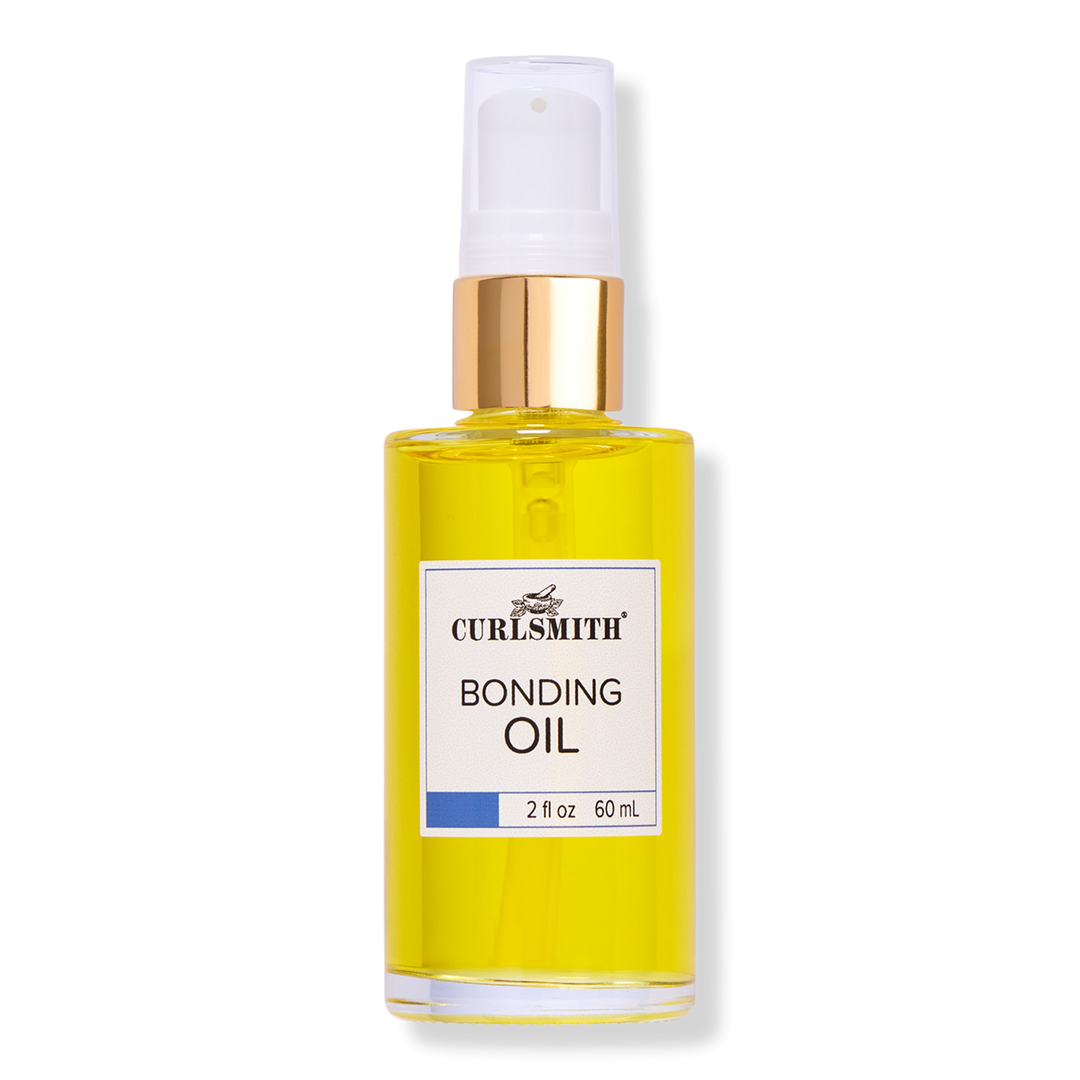
Curlsmith Bonding Oil
Curlsmith Bonding Oil is a revolutionary weightless oil with its PlantSilk complex, specifically designed to target damaged hair. Powered by PlantSilk—a cutting-edge blend of plant-derived esters—this lightweight formula is formulated to outperform silicones without the heaviness of raw oils. Designed to target damaged hair, seal cuticles, and make curls feel softer and smoother in seconds. It is also proven to boost shine by up to 67%.
Sulfate-free
Paraben-free
Color-safe
Silicone-free
Vegan
Cruelty-free
Optimized for Your Environment & Lifestyle
Nykaa
In stock
Recommended

Curlsmith Bonding Oil
Curlsmith
curlsmith-bonding-oil
Hair Oil
10355411484965
Morning or Evening?
How often will you use this product?
Notes


Secure payment protection
Your Biodata Compatibility Analysis
Based on your 6 hair health indices and environmental factors
Poor Match
Significant incompatibilities
Growth Cycle Health Index
Hair Match
Hair Health Index Alignment
Optimal for OSI, SSI, DI, HSI
Ingredient Efficacy
Matching Ingredient Score
Environment Compatibility
Current UV, Air Quality & Humidity
Why This Works for Your Specific Profile
Damage Index:
Damage levels outside specified range may not benefit optimally from product formulation
Water Quality:
Dry or dull hair experiences increased brittleness from protein concentration without moisture balance
Hair:
Closed cuticles resist product penetration causing surface buildup without internal benefits
Active Lifestyle:
Activity levels outside optimal range affect product performance and maintenance requirements
Your Hair Profile Integration
Your Hair Archetype

Density Level

Washing Frequency

Shedding Level

Oil Level
Your Hair Health Indices
Oil Secretion (OSI)
Very low oil production
Scalp Sensitivity (SSI)
Very low sensitivity
Growth Rate (CMR)
Poor metabolism rate
Damage Index (DI)
Minimal damage
Hair Strength (HSI)
Very weak strength
Softness Index (SI)
Significant improvement needed
Water & Environmental Integration

Water:


Expected Results & Timeline
Key Highlights

What is it?
Hair Oil with PlantSilk complex

Who Is It For
All Ages, All Genders

Budget
Rs. 2,938.70 - Rs. 5,877.40

Timeline
Immediate
Why You’ll Love It

What Does It Help With?
Sealing cuticles, Reducing split ends, Enhancing shine, Softening curls

Best for
Damage Repair

Features
Weightless formula, Plant-derived esters, Targets damaged hair, Seals cuticles, Boosts shine by up to 67%

Checks
Cruelty-free, Vegan, Sustainable Packaging, Give Back
Ingredients Overview
Ingredients List
Hydrogenated-Ethylhexyl-Oliviate, Hydrogenated-Olive-Oil-Unsaponifiables, Coco-Caprylate/Caprate, Shea-Butter-Ethyl-Esters, Hydrogenated-Castor-Oil/Sebacic-Acid-Copolymer, Prunus-Armeniaca-(Apricot)-Kernel-Oil, Hippophae-Rhamnoides-Fruit-Oil, Lens-Esculenta-(Lentil)-Seed-Extract, Hydrolyzed-Cicer-Seed-Extract, Chenopodium-Quinoa-Seed-Extract, Fragrance-(Parfum), Linalool, Limonene, Geraniol, Benzyl-Alcohol, Citronellol, Anethole, Dimethyl-Phenethyl-Acetate, Geranyl-Acetate, Citrus-Aurantium-(Orange)-Peel-Oil, Pinene
Key Ingredients
PlantSilk complex, Apricot Kernel Oil, Sea Buckthorn Oil, Lentil Seed Extract, Quinoa Seed Extract
Ingredients Details
Anethole
Common Name(s): Anethole,bioactive aromatic compound,antimicrobial anti-inflammatory active
CAS Number: N/a
DESCRIPTION
What It Does: Provides the specific biological activity of its aromatic compound class — antimicrobial membrane disruption, analgesic receptor activity, or anti-inflammatory pathway inhibition — alongside fragrance benefit.
Why It's Used: Bioactive aromatic compounds bridge fragrance and therapeutic function — the same terpenoid or phenylpropanoid structure providing olfactory benefit also delivers genuine biological activity at cosmetic use concentrations.
How It Works: Terpenoid and phenylpropanoid aromatics disrupt microbial cell membranes through hydrophobic intercalation; inhibit nf-kb and cox inflammatory pathways through electrophilic interactions; activate or block neuroreceptors (trpv1, sodium channels) for sensory modification.
Typically Found In: Oral care,antimicrobial products,fragrance
TECHNICAL DETAILS
Primary Category: Active ingredient – antioxidant
Secondary Functions: Free radical scavenging,anti-aging
Application Areas:

Facial Skincare
Body Care

Hair Care
Beard Care
Color Cosmetics (Makeup)
Dietary/Oral Supplements
Typical Concentration Range: 0.01%–1%
SOURCING & ETHICS
Vegan Status: Yes
Halal Status: Yes
Source Notes: Plant-derived extract or synthetic.
SKIN COMPATIBILITY
Irritancy Rating: 1/5 – very low
Comedogenicity Rating: 0/5 – non-comedogenic
Sensitivity Concerns: Non-irritating; well-tolerated.
Safe for Sensitive Skin: Yes
SAFETY & COMPATIBILITY
Safety Profile: Excellent safety profile. ewg score: 1.
Works Well With: Vitamin c,vitamin e,ferulic acid,spf,other antioxidants
Avoid Combining With: No significant incompatibilities
SCIENTIFIC NOTE
Many bioactive aromatics are eu-listed fragrance allergens (eugenol, cinnamal, eugenol) requiring label declaration above threshold concentrations — formulators must balance therapeutic efficacy concentration against fragrance allergen declaration requirements.
Last Verified: Cosing database,ifra standards,anethole bioactive aromatic review
Primary Sources: 2026-03-12
Apricot Kernel Oil
Common Name(s): Apricot kernel oil,botanical carrier oil,emollient fatty acid delivery
CAS Number: N/a
DESCRIPTION
What It Does: Softens and conditions skin by integrating into sc lipid bilayers, delivers essential fatty acids (oleic, linoleic, linolenic) for barrier lipid synthesis, and provides rich, non-stripping moisturisation.
Why It's Used: Natural carrier oils provide the closest compositional match to endogenous sc lipids, delivering emolliency through genuine barrier integration rather than simple surface occlusion.
How It Works: Fatty acid triglycerides partition into sc lipid bilayers — oleic acid (c18:1) provides fluid, emollient integration; linoleic acid (c18:2) acts as essential ceramide precursor; saturated fatty acids provide more occlusive barrier reinforcement.
Typically Found In: Moisturisers,facial oils,natural skin care
TECHNICAL DETAILS
Primary Category: Functional ingredient – emollient
Secondary Functions: Barrier sealing,softening
Application Areas:
Facial Skincare
Body Care
Hair Care
Beard Care
Color Cosmetics (Makeup)
Dietary/Oral Supplements
Typical Concentration Range: 1%–100%
SOURCING & ETHICS
Vegan Status: Conditional
Halal Status: Yes
Source Notes: Plant-derived, synthetic or animal-derived. verify source.
SKIN COMPATIBILITY
Irritancy Rating: 1/5 – very low
Comedogenicity Rating: 1/5 – low; formulation-dependent
Sensitivity Concerns: Non-irritating.
Safe for Sensitive Skin: Yes
SAFETY & COMPATIBILITY
Safety Profile: Excellent safety profile. ewg score: 1.
Works Well With: Humectants,ceramides,actives as carrier
Avoid Combining With: No significant incompatibilities
SCIENTIFIC NOTE
Essential fatty acids — linoleic (c18:2, n-6) and α-linolenic (c18:3, n-3) acids — cannot be synthesised by the body; topical delivery through carrier oils provides direct substrate for ceramide and eicosanoid biosynthesis in the epidermis.
Last Verified: Cosing database,apricot kernel oil carrier oil botanical review
Primary Sources: 2026-03-12
Citronellol
Common Name(s): (r)-3,7-dimethyl-6-octen-1-ol,rhodinol
CAS Number: 106-22-9
DESCRIPTION
What It Does: Provides soft, lasting rose-floral fragrance note.
Why It's Used: Essential rose fragrance monoterpene for lasting smooth floral notes in high-quality perfumery and cosmetic fragrances.
How It Works: Allylic alcohol monoterpene provides fixative property in fragrance blends. good skin substantivity for lasting scent. softer, rounder rose note vs geraniol's fresher character. natural in rose otto at 18-34%.
Typically Found In: Rose perfumes,floral fragrances,luxury skincare
TECHNICAL DETAILS
Primary Category: Fragrance component – monoterpene alcohol
Secondary Functions: Skin conditioning
Application Areas:
Facial Skincare
Body Care
Hair Care
Beard Care
Color Cosmetics (Makeup)
Dietary/Oral Supplements
Typical Concentration Range: 0.001%–1%
SOURCING & ETHICS
Vegan Status: Yes – from rose, geranium, citronella oils
Halal Status: Yes
Source Notes: Commercially produced for cosmetic use. verify vegan/halal status with supplier.
SKIN COMPATIBILITY
Irritancy Rating: 1/5 – very low
Comedogenicity Rating: 0/5 – non-comedogenic
Sensitivity Concerns: Well-tolerated by most skin types.
Safe for Sensitive Skin: Yes
SAFETY & COMPATIBILITY
Safety Profile: Eu cosmetics regulation: declared fragrance allergen. ifra guidelines apply.
Works Well With: Standard skincare actives
Avoid Combining With: No known significant incompatibilities
SCIENTIFIC NOTE
Citronellol's r-enantiomer (natural) vs s-enantiomer (synthetic) provide meaningfully different scent character – a remarkable demonstration of chiral scent discrimination by olfactory receptors. the (r) form provides the characteristic rose note while the (s) form has a distinctly different, less pleasant character. this enantiomeric scent difference means that the biological handedness of naturally-sourced vs racemic synthetic citronellol produces perceptibly different fragrance quality.
Last Verified: Cosing database,ifra standards
Primary Sources: 2026-03-12
Coco-caprylate/caprate
Common Name(s): Coco-caprylate/caprate
DESCRIPTION
What It Does: Smooths and softens skin by filling intercorneocyte spaces, reducing friction, and providing a pleasant aesthetic skin feel in formulations.
Why It's Used: Synthetic esters provide tailored aesthetic properties — spreadability, skin feel, volatility, refractive index — that natural oils alone cannot consistently deliver.
How It Works: The ester molecule fills microscopic surface irregularities between corneocytes, reducing coefficient of friction, reflecting light uniformly, and providing a lubrication layer that protects the skin surface.
Typically Found In: Moisturizers,sunscreens,color cosmetics,body lotions,lip products
TECHNICAL DETAILS
Primary Category: Synthetic emollients
Secondary Functions: Emollient
Application Areas:
Facial Skincare
Body Care
Hair Care
Beard Care
Color Cosmetics (Makeup)
Dietary/Oral Supplements
Typical Concentration Range: 1–20%
SOURCING & ETHICS
Vegan Status: Yes
Halal Status: Yes
Source Notes: Synthetically produced ester emollient; no animal components.
SKIN COMPATIBILITY
Irritancy Rating: 1
Comedogenicity Rating: 1
Sensitivity Concerns: Low sensitization potential at recommended use concentrations.
Safe for Sensitive Skin: Yes
SAFETY & COMPATIBILITY
Safety Profile: Well-characterized cosmetic ingredient with established safety profile. generally non-irritating at typical use concentrations. suitable for leave-on and rinse-off cosmetics.
Works Well With: Silicones,uv filters,other emollients
Avoid Combining With: Strongly alkaline conditions (risk of saponification of ester-type emollients)
SCIENTIFIC NOTE
The spreading coefficient of an emollient is governed by its surface tension, viscosity, and polarity. esters with branched alkyl chains (e.g., isopropyl, isostearyl) spread rapidly and leave a non-tacky film; linear long-chain esters provide more substantive moisturization. hlb value determines the preferred formulation system (w/o vs o/w emulsions).
Last Verified: Cosing eu database; pcpc cosmetic ingredient safety reviews; ingredient-specific safety and efficacy literature
Primary Sources: 2025-01-15
Personalized Usage Instructions
How to Use
Step 1
Use one pump per section on dry hair
Step 2
If using on wash day, apply after fully drying your curls
Step 3
Smooth over curls to lock in moisture and tame cuticles
Step 4
Can be used to soften styler casts leaving hair soft and bouncy
Medical Chemicals

Protein/Moisture
- Moisture
pH Level
- Acidic

Porosity Taget
- High Porosity
Customized for Your Profile
Scalp Condtions
Sensitive Scalp, pH Balanced
Climate Suitability
Humid, Dry, UV Protection
Clinical Claims
90% agreed the oil helped seal and reduce the appearance of split ends; 93% agreed their hair looked and felt repaired
Frequency
Use one pump per section on dry hair. If using on wash day, apply after fully drying your curls. Smooth over curls to lock in moisture and tame cuticles. Can be used to soften styler casts leaving hair soft and bouncy.
Product Information

Cruelty-free
Vegan
Sustainable Packaging
Give Back
