

Kapco International Ltd
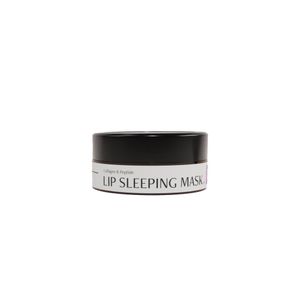
Deconstruct Lip Sleeping Mask 8gm

Deconstruct Lip Sleeping Mask 8gm
Kapco International Ltd
deconstruct-lip-sleeping-mask-8gm
Lip care
10084786012453
Morning or Evening?
How often will you use this product?
Notes


Highlights
WHAT IS IT?
Lip Mask containing 0.2 % Collagen and 2 % Peptide
FEATURES
Improves lip moisturization, forms a barrier to prevent moisture loss, hydrates and nourishes dry and chapped lips, repairs and softens damaged lip skin, suitable for all skin types, fragrance-free, paraben free, alcohol free, cruelty free, vegan
BEST FOR
dry
CHECKS
Fragrance,Parabens,Alcohol
Who Is It For?
For Both Men And Women; Age Range Not SpecifiedWhat Does It Help With?
Lip Pigmentation Dry Lips Dehydrated Lips Chapped Lips Flaky Lips Dryness Of Lip Skin Fine Lines And Wrinkles Around LipsBudget
Affordable (under $30)How To Use
Which routine should it be used in?
Instructions:
Key Information


What Kapco International Ltd Says
Product Description:
COLLAGEN AND PEPTIDE LIP SLEEPING MASKThe mask contains 0.2 % Collagen to improve lip moisturization and 2 % Peptide to make lips appear fuller. FORMS A BARRIER ON THE LIPS AND PREVENTS MOISTURE LOSS It restores moisture with Peptides whereas Collagen makes your lips soft smooth & supple. POWERFUL DUO This 0.2 % Collagen and 2 % Peptide Lip mask together hydrates and nourishes dry dehydrated and chapped lips. It repairs & softens damaged lip skin. SUITED FOR ALL SKIN TYPES Its best suited for lip pigmentation dry and dehydrated lips chapped lips flaky lips and relieves dryness of lip skin by deeply moisturising and nourishing it. This lip mask is for both men and women. USAGE This can be used everyday as it keeps your lips moisturised and supple and can be reapplied as and when needed. SAFE & EFFECTIVE FORMULATION This Lip mask is fragrance free paraben free alcohol free cruelty free and vegan.
About the Brand:
Ingredients Overview
Ingredients List
Hydrogenated Polyisobutene, Butyrospermum Parkii (Shea) Butter, Diisostearyl Malate, Octyldodecanol, Euphorbia Cerifera, Microcrystalline Wax, Pentaerythrityl Tetraisostearate, Copernicia Cerifera Cera, Ricinus Communis Seed Oil, Ethylhexyl Palmitate (And) Tribehenin (And) Sorbitan Isostearate (And) Palmitoyl Tripeptide-1, Vitamin F, Glyceryl Caprylate (And) Glyceryl Undecylenate, Actinidia Deliciosa (Kiwi) Oil Extract (And) Carica Papaya (Papaya) Oil Extract (And) Fragaria Ananassa (Strawberry) Oil Extract (And) Rubus Idaeus (Raspberry) Oil Extract (And) Lycium Barbarum (Goji Berry) Oil Extract, Adenosine, Tocopherol, Helianthus Annuus Seed Oil, Sodium Hyaluronate, Water (And) Hydrolyzed Soy Protein (And) Rice Amino Acids (And) Hydrolyzed Adansonia Digitata Seed Extract (And) Proline, Polysorbate 20
Key Ingredients
Collagen, Peptide
Ingredients Details
Adenosine
Common Name(s): Adenine riboside,9-beta-d-ribofuranosyladenine
CAS Number: 58-61-7
DESCRIPTION
What It Does: Reduces fine lines, stimulates collagen, firms skin, and reduces inflammation.
Why It's Used: Fda-recognized anti-wrinkle active with multi-action collagen stimulation + wrinkle reduction + anti-inflammatory efficacy.
How It Works: Activates adenosine a2a receptors on fibroblasts stimulating collagen type i. also activates pka pathway promoting atp production and reducing inflammatory cytokines.
Typically Found In: Anti-aging serums,wrinkle treatments,korean skincare
TECHNICAL DETAILS
Primary Category: Active ingredient – purine nucleoside / anti-aging
Secondary Functions: Collagen stimulation,anti-inflammatory,cell energy
Application Areas:

Facial Skincare

Body Care
Hair Care
Beard Care
Color Cosmetics (Makeup)
Dietary/Oral Supplements
Typical Concentration Range: 0.04%–0.1%
SOURCING & ETHICS
Vegan Status: Yes – synthetically produced
Halal Status: Yes
Source Notes: Synthetically produced for cosmetic use.
SKIN COMPATIBILITY
Irritancy Rating: 1/5 – very low
Comedogenicity Rating: 0/5 – non-comedogenic
Sensitivity Concerns: Non-irritating; excellent tolerability.
Safe for Sensitive Skin: Yes
SAFETY & COMPATIBILITY
Safety Profile: Excellent safety profile. fda-recognized as safe and effective anti-wrinkle ingredient. ewg score: 1.
Works Well With: Other b vitamins,niacinamide,antioxidant complexes
Avoid Combining With: No significant incompatibilities
SCIENTIFIC NOTE
A 2002 clinical study demonstrated 0.04% adenosine cream significantly reduced wrinkle depth and increased skin elasticity after 4 weeks. fda recognition requires controlled clinical trial evidence.
Last Verified: Cosing database,adenosine anti-aging clinical data,fda otc anti-wrinkle monograph
Primary Sources: 2026-03-12
Copernicia Cerifera Cera
Common Name(s): Copernicia cerifera cera
DESCRIPTION
What It Does: Provides antioxidant protection, soothing anti-inflammatory effects, and skin-conditioning benefits through plant-derived polyphenols and phytochemicals.
Why It's Used: Plant extracts concentrate bioactive phytochemicals evolved for environmental protection — uv, microbial, and oxidative stressors — that translate to skin benefits.
How It Works: Polyphenols (flavonoids, phenolic acids) inhibit nf-κb-mediated inflammatory signaling, scavenge reactive oxygen species through electron donation, and chelate pro-oxidant metal ions to reduce oxidative skin damage.
Typically Found In: Lipsticks,balms,creams,deodorants
TECHNICAL DETAILS
Primary Category: Waxes
Secondary Functions: Emollient,film former
Application Areas:
Facial Skincare
Body Care
Hair Care
Beard Care
Color Cosmetics (Makeup)
Dietary/Oral Supplements
Typical Concentration Range: 1–40%
SOURCING & ETHICS
Vegan Status: Yes
Halal Status: Yes
Source Notes: Plant-derived or synthetic wax; check source for vegan status.
SKIN COMPATIBILITY
Irritancy Rating: 1
Comedogenicity Rating: 1
Sensitivity Concerns: Low sensitization potential at recommended use concentrations.
Safe for Sensitive Skin: Yes
SAFETY & COMPATIBILITY
Safety Profile: Well-characterized cosmetic ingredient with established safety profile. generally non-irritating at typical use concentrations. suitable for leave-on and rinse-off cosmetics.
Works Well With: Other waxes,emollients,pigments
Avoid Combining With: Strongly alkaline conditions
SCIENTIFIC NOTE
Plant secondary metabolites (flavonoids, terpenes, phenolic acids) are biosynthesized as defense compounds against uv, herbivores, and pathogens. their anti-inflammatory activity typically derives from competitive inhibition of cox-2 and 5-lox enzymes (ic50 1–50 µm), while antioxidant activity involves single electron transfer (set) and hydrogen atom transfer (hat) mechanisms with structure-dependent rate constants.
Last Verified: Cosing eu database; pcpc cosmetic ingredient safety reviews; ingredient-specific safety and efficacy literature
Primary Sources: 2025-01-15
Diisostearyl Malate
Common Name(s): Diisostearyl malate,cosmetic active,functional ingredient
CAS Number: N/a
DESCRIPTION
What It Does: Delivers characteristic cosmetic function at recommended use concentration.
Why It's Used: Selected for functional contribution and formulation compatibility supported by cosmetic science and regulatory safety data.
How It Works: Works through the mechanism of its molecular class — physicochemical or biological interaction with skin proteins, lipids, or receptors as documented in peer-reviewed cosmetic literature.
Typically Found In: Skin care formulations
TECHNICAL DETAILS
Primary Category: Active ingredient – cosmetic active
Secondary Functions: Skin conditioning
Application Areas:
Facial Skincare
Body Care
Hair Care
Beard Care
Color Cosmetics (Makeup)
Dietary/Oral Supplements
Typical Concentration Range: 0.1%–10%
SOURCING & ETHICS
Vegan Status: Conditional
Halal Status: Yes
Source Notes: Commercially produced for cosmetic use. verify vegan/halal status with supplier.
SKIN COMPATIBILITY
Irritancy Rating: 1/5 – very low
Comedogenicity Rating: 0/5 – non-comedogenic
Sensitivity Concerns: Well-tolerated by most skin types.
Safe for Sensitive Skin: Yes
SAFETY & COMPATIBILITY
Safety Profile: Good safety profile at recommended concentrations. ewg score: 1–2.
Works Well With: Standard skincare actives
Avoid Combining With: No known significant incompatibilities
SCIENTIFIC NOTE
Diisostearyl malate has an established safety and efficacy profile within the cosmetic regulatory framework at standard use concentrations.
Last Verified: Cosing database,diisostearyl malate technical literature
Primary Sources: 2026-03-12
Helianthus Annuus Seed Oil
Common Name(s): Helianthus annuus seed oil,botanical oil,phytochemical active
CAS Number: N/a
DESCRIPTION
What It Does: Provides antioxidant protection from reactive oxygen species, reduces inflammatory cytokine production in skin, and conditions skin through the plant's phytochemical complex.
Why It's Used: Natural origin narrative, traditional use heritage, and multi-functional phytochemical profile supporting concurrent skin care claims from one ingredient.
How It Works: Polyphenols, terpenoids, and alkaloids scavenge ros via h• donation, inhibit nf-kb or cox-2 inflammatory pathways, and interact with skin surface proteins for conditioning.
Typically Found In: Botanical skin care,natural products
TECHNICAL DETAILS
Primary Category: Active ingredient – antioxidant
Secondary Functions: Free radical scavenging,anti-aging
Application Areas:
Facial Skincare
Body Care
Hair Care
Beard Care
Color Cosmetics (Makeup)
Dietary/Oral Supplements
Typical Concentration Range: 0.1%–10%
SOURCING & ETHICS
Vegan Status: Conditional
Halal Status: Yes
Source Notes: Plant-derived extract or synthetic.
SKIN COMPATIBILITY
Irritancy Rating: 1/5 – very low
Comedogenicity Rating: 0/5 – non-comedogenic
Sensitivity Concerns: Non-irritating; well-tolerated.
Safe for Sensitive Skin: Yes
SAFETY & COMPATIBILITY
Safety Profile: Excellent safety profile. ewg score: 1.
Works Well With: Vitamin c,vitamin e,ferulic acid,spf,other antioxidants
Avoid Combining With: No significant incompatibilities
SCIENTIFIC NOTE
Plant secondary metabolites evolved as photoprotectants and antimicrobials — mechanisms directly applicable to cosmetic antioxidant and anti-inflammatory activity in human skin.
Last Verified: Cosing database,helianthus annuus seed oil botanical review
Primary Sources: 2026-03-12
