

DERMDOC
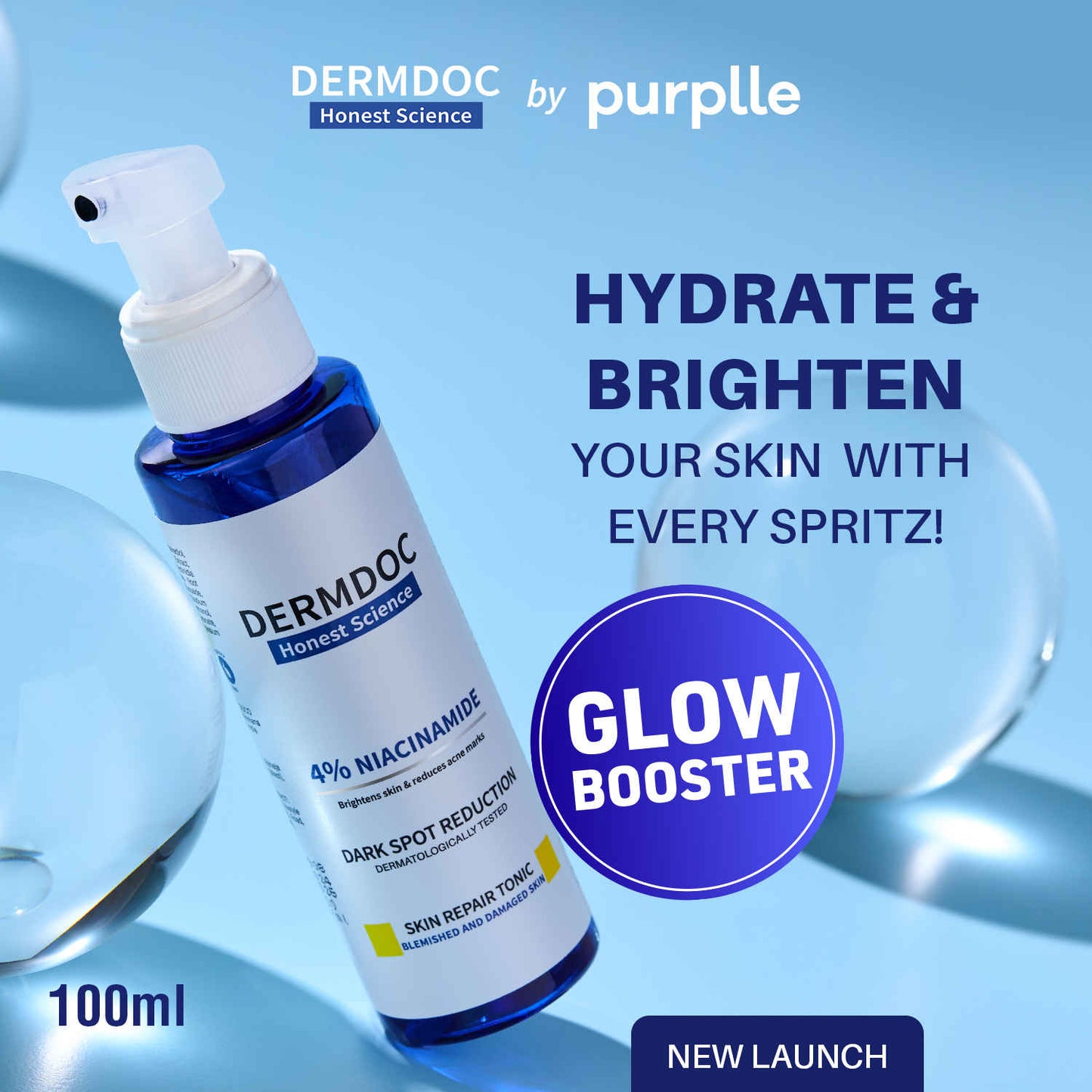
DERMDOC by Purplle 4% Niacinamide Skin Repair Tonic Facial Spray (100 ml) | Face Toner | Dark Spot Reduction | Brightens Skin | Reduces Acne Marks

DERMDOC by Purplle 4% Niacinamide Skin Repair Tonic Facial Spray (100 ml) | Face Toner | Dark Spot Reduction | Brightens Skin | Reduces Acne Marks
DERMDOC
dermdoc-by-purplle-4-niacinamide-skin-repair-tonic-facial-spray-100-ml-face-toner-dark-spot-reduction-brightens-skin-reduces-acne-marks
Tone
10085106090277
Morning or Evening?
How often will you use this product?
Notes


Highlights
WHAT IS IT?
4% Niacinamide based Toner
FEATURES
Hydrating, alcohol-free, clarifies acne spots and blemishes, restricts excess sebum and oil, eradicating dryness, irritation and inflammation, minimizes appearance of enlarged pores, tightens and brightens skin
BEST FOR
sensitive
CHECKS
Free from Parabens, Sulphates, Mineral Oils and Fragrances
Who Is It For?
All Genders Suitable For Normal To Dry Skin TypeWhat Does It Help With?
Dark Spot Reduction Skin Brightening Acne Marks Reduction Controls Excess OilBudget
Affordable (under ₹30)How To Use
Which routine should it be used in?
Instructions:
Key Information


What DERMDOC Says
Product Description:
Give your skin a big pump of CLARITY! The DermDoc 4% Niacimaide Face Toner is a thoughtfully formulated hydrating, alcohol-free toner that effectively works on targeted skin concerns. The outstanding spray formula starts showing its efficacy from the first use and absorbs deep into the layers of skin. It helps in clarifying acne spots, blemishes and restricts excess sebum and oil production. It is completely free from Parabens, Sulphates, Mineral Oils and Fragrances so that all skin types can enjoy the utmost benefits of this revolutionary formulation! Niacinamide (also known as Vitamin B3) is renowned for its skin-soothing properties like eradicating skin dryness, irritation and inflammation. It also helps in minimizing the appearance of enlarged pores, offering a much tighter and glowing feel.
About the Brand:
Ingredients Overview
Ingredients List
niacinamide
Key Ingredients
niacinamide
Ingredients Details
Niacinamide
Common Name(s): Vitamin b3,nicotinamide,pyridine-3-carboxamide
CAS Number: 98-92-0
DESCRIPTION
What It Does: Niacinamide strengthens the skin barrier, reduces visible pore size, regulates sebum production, fades dark spots, and improves skin texture and tone.
Why It's Used: It is used because it addresses multiple skin concerns at once without irritation, making it suitable for all skin types. it is stable in formulations and pairs well with most other actives.
How It Works: Niacinamide inhibits the transfer of melanosomes (pigment packets) to skin cells, reducing hyperpigmentation. it also stimulates ceramide synthesis to strengthen the skin barrier and reduces inflammation by modulating cytokine activity.
Typically Found In: Serums,moisturizers,toners,cleansers,eye creams,sunscreens,primers
TECHNICAL DETAILS
Primary Category: Active ingredient – vitamin
Secondary Functions: Barrier repair,brightening,anti-inflammatory
Application Areas:

Facial Skincare
Body Care

Hair Care
Beard Care
Color Cosmetics (Makeup)
Dietary/Oral Supplements
Typical Concentration Range: 2%–10% (typical: 5%; higher concentrations may cause flushing in some individuals)
SOURCING & ETHICS
Vegan Status: Yes – synthetically produced
Halal Status: Yes – synthetic origin
Source Notes: Commercially produced via synthesis from nicotinic acid or 3-cyanopyridine. no animal-derived sources used in cosmetic-grade niacinamide.
SKIN COMPATIBILITY
Irritancy Rating: 1/5 – very low; concentrations above 10% may cause temporary flushing in sensitive individuals
Comedogenicity Rating: 0/5 – non-comedogenic
Sensitivity Concerns: At concentrations >10%, some users experience niacin flush (transient redness/tingling). generally very well-tolerated.
Safe for Sensitive Skin: Yes – one of the best-tolerated actives for sensitive skin
SAFETY & COMPATIBILITY
Safety Profile: Extensively studied and considered very safe. ewg hazard score: 1. no significant systemic toxicity concerns at topical concentrations.
Works Well With: Retinol,peptides,ahas/bhas,hyaluronic acid,ceramides,zinc,vitamin c,spf
Avoid Combining With: High concentrations of vitamin c (ascorbic acid) may theoretically convert to niacin – use at different times if using pure l-ascorbic acid above 15%
SCIENTIFIC NOTE
Niacinamide is a precursor to nad+ and nadp+, coenzymes vital to cellular energy metabolism. its benefits for dna repair and mitochondrial function make it a key ingredient in anti-aging strategies.
Last Verified: Cosing database,cir safety assessment,ewg skin deep,pubmed clinical studies
Primary Sources: 2026-03-12
