

ECOVANI
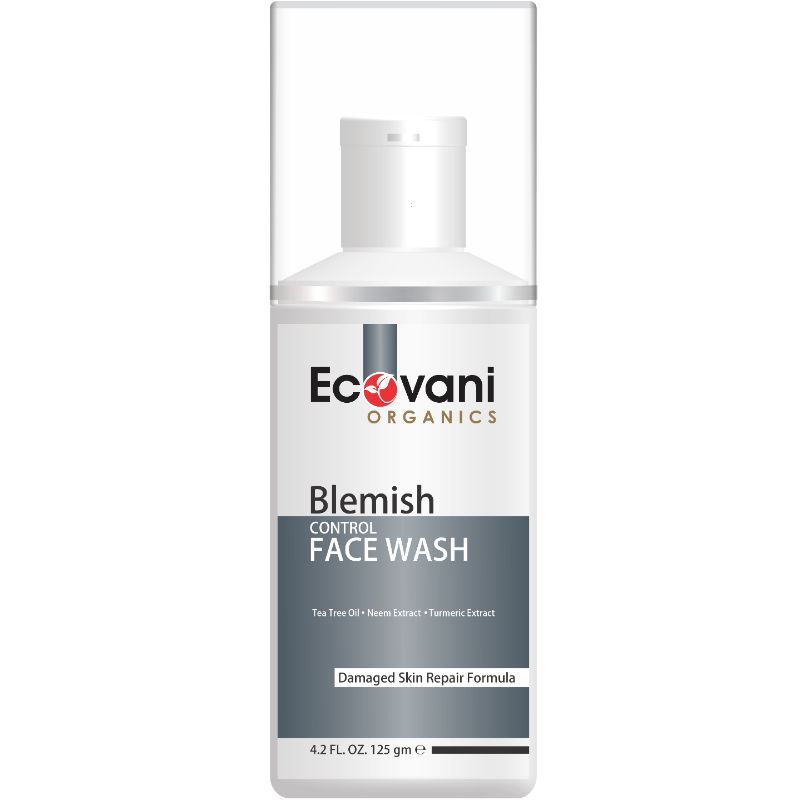
ECOVANI Blemish Control Face Wash - Damaged Skin Repair Formula Helps Remove Blemish Scars

ECOVANI Blemish Control Face Wash - Damaged Skin Repair Formula Helps Remove Blemish Scars
ECOVANI
ecovani-blemish-control-face-wash-damaged-skin-repair-formula-helps-remove-blemish-scars
Cleanse
10085463556389
Morning or Evening?
How often will you use this product?
Notes


Highlights
WHAT IS IT?
Face Wash with natural extracts and active ingredients including Tea Tree Oil, Neem Extract, Turmeric Extract, Apple Cider
FEATURES
Brightens skin, Removes dark spots and blemishes, Cleanses and exfoliates, Regulates melanin deposits, Free from parabens, sulfates and SLS/SLES
BEST FOR
sensitive
CHECKS
Parabens, Sulfates, SLS, SLES
Who Is It For?
All Genders Adult Usage (exact Age Range Not Specified)What Does It Help With?
Blemishes Dark Spots Skin Brightening Damaged Skin RepairBudget
Affordable (under $30)How To Use
Which routine should it be used in?
Instructions:
Key Information


What ECOVANI Says
Product Description:
Ecovani Blemish Control Face wash has the capacity to make the skin bright and free from dark patches - with every wash. The skin on the face tends to develop dark spots, which are commonly known as blemishes. It has all the fine ingredients such as aloe vera extracts, orange extracts, tea tree extracts, neem ark and many other actives to remove the blemishes from the skin. These are nothing but the erratic concentration of the pigment known as melanin, which is responsible for giving skin its colour. The melanin deposits should be regulated and the skin needs to be reinforced with good nutrients. This face wash has the potential to cleanse the face and also in the process regulating the melanin deposits so that the face can be spot-free. Blemishes need constant negative reinforcement. It is especially suited to exfoliate the outermost layers of the skin, which helps a lot in keeping the blemishes away. Features: Blemish-control face wash that lifts away dirt, oil and grime to keep skin clean, enriched with extracts of aloe vera, orange, tea tree and neem, helps to decrease the appearance of blemishes and dark spots, damaged skin repair formula helps remove blemish scars, keeps the skin bright and free from dark patches, free from harmful chemicals like parabens, sulfates and SLS/SLES.
About the Brand:
Ingredients Overview
Ingredients List
tea-tree-oil, neem-extract, turmeric-extract, apple-cider, aloe-vera-extract, orange-extract
Key Ingredients
Tea Tree Oil, Neem Extract, Turmeric Extract, Apple Cider
Ingredients Details
Neem Extract
Common Name(s): Neem leaf extract,indian lilac extract
CAS Number: 84696-19-5
DESCRIPTION
What It Does: Provides nimbin anti-inflammatory and nimbidin antimicrobial activity for acne and inflammatory skin conditions.
Why It's Used: Multi-function ayurvedic anti-acne and anti-inflammatory from neem with comprehensive antimicrobial and anti-inflammatory activity.
How It Works: Nimbin inhibits phospholipase a2 for arachidonic acid cascade anti-inflammatory activity. nimbidin provides antimicrobial activity vs p. acnes and s. aureus. nimbidiol inhibits histamine release for anti-allergic activity.
Typically Found In: Anti-acne products,ayurvedic formulations,antimicrobial skin care
TECHNICAL DETAILS
Primary Category: Active ingredient – soothing / anti-inflammatory
Secondary Functions: Redness reduction,anti-inflammatory,calming
Application Areas:

Facial Skincare
Body Care

Hair Care
Beard Care
Color Cosmetics (Makeup)
Dietary/Oral Supplements
Typical Concentration Range: 0.1%–5%
SOURCING & ETHICS
Vegan Status: Yes – from azadirachta indica leaves
Halal Status: Yes
Source Notes: Plant-derived extract or synthetic.
SKIN COMPATIBILITY
Irritancy Rating: 1/5 – very low
Comedogenicity Rating: 0/5 – non-comedogenic
Sensitivity Concerns: Non-irritating; ideal for reactive and sensitive skin.
Safe for Sensitive Skin: Yes – particularly recommended for sensitive skin
SAFETY & COMPATIBILITY
Safety Profile: Excellent safety profile. ewg score: 1.
Works Well With: Ceramides,panthenol,allantoin,hyaluronic acid,centella asiatica
Avoid Combining With: No significant incompatibilities
SCIENTIFIC NOTE
Neem's phospholipase a2 inhibition provides anti-inflammatory activity at the most upstream point of the arachidonic acid cascade – before arachidonic acid is even released from membrane phospholipids, preventing the entire downstream cox and lox inflammatory pathway. this upstream inhibition provides theoretically more comprehensive inflammation prevention than cox or lox inhibitors acting downstream.
Last Verified: Cosing database,subapriya & nagini neem review
Primary Sources: 2026-03-12
Tea Tree Oil
Common Name(s): Tea tree oil,tto,melaleuca oil
CAS Number: 68647-73-4
DESCRIPTION
What It Does: Provides the most potent single-plant broad-spectrum antimicrobial essential oil for skin antiseptic applications.
Why It's Used: The antimicrobial essential oil – tea tree oil's terpinen-4-ol provides clinically proven broad-spectrum antimicrobial activity in rct-level clinical studies for acne and mrsa decolonisation.
How It Works: Terpinen-4-ol (30-48%) provides membrane-disrupting antimicrobial activity vs gram+/- bacteria, fungi, and enveloped viruses. iso 4730 requires minimum 30% terpinen-4-ol and maximum 5% 1,8-cineole (sensitiser). anti-biofilm activity vs staphylococcus.
Typically Found In: Anti-acne products,antiseptic formulas,natural antimicrobials,scalp treatments
TECHNICAL DETAILS
Primary Category: Active ingredient – soothing / anti-inflammatory
Secondary Functions: Redness reduction,anti-inflammatory,calming
Application Areas:
Facial Skincare
Body Care
Hair Care
Beard Care
Color Cosmetics (Makeup)
Dietary/Oral Supplements
Typical Concentration Range: 0.001%–5%
SOURCING & ETHICS
Vegan Status: Yes – from melaleuca alternifolia leaves (australia)
Halal Status: Yes
Source Notes: Plant-derived extract or synthetic.
SKIN COMPATIBILITY
Irritancy Rating: 1/5 – very low
Comedogenicity Rating: 0/5 – non-comedogenic
Sensitivity Concerns: Non-irritating; ideal for reactive and sensitive skin.
Safe for Sensitive Skin: Yes – particularly recommended for sensitive skin
SAFETY & COMPATIBILITY
Safety Profile: Iso 4730:2017 quality standard defines authentic tea tree oil. can cause contact sensitisation at high concentrations. toxic if ingested.
Works Well With: Ceramides,panthenol,allantoin,hyaluronic acid,centella asiatica
Avoid Combining With: No significant incompatibilities
SCIENTIFIC NOTE
Randomised controlled trial comparison of 5% tea tree oil gel vs 5% benzoyl peroxide lotion for acne demonstrated equivalent efficacy for acne lesion reduction at 3 months. tea tree's slower onset (8 weeks vs 4 weeks for bpo) was offset by significantly fewer side effects (dryness, irritation, peeling) in the tto group – providing evidence-based support for clinical tto use as a well-tolerated bpo alternative.
Last Verified: Cosing database,bassett et al. tea tree oil acne rct,iso 4730
Primary Sources: 2026-03-12
