

Elizabeth Arden
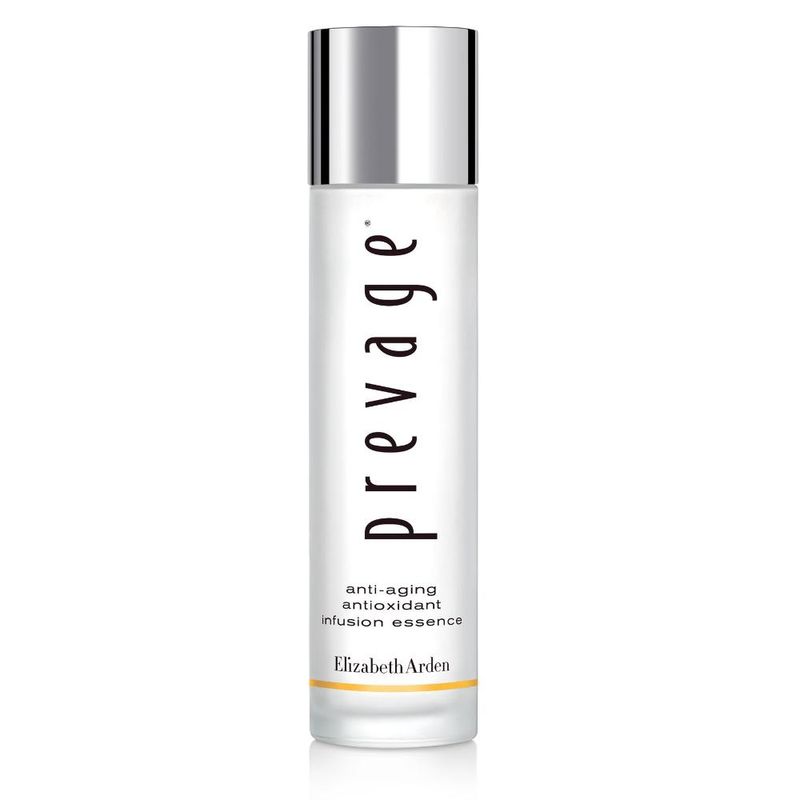
Elizabeth Arden Prevage Antioxidant Infusion Essence

Elizabeth Arden Prevage Antioxidant Infusion Essence
Elizabeth Arden
elizabeth-arden-prevage-antioxidant-infusion-essence
Serum
10084795089189
Morning or Evening?
How often will you use this product?
Notes


Highlights
WHAT IS IT?
Essence, multiple antioxidant ingredients
FEATURES
Preps and hydrates skin, Enhances skincare absorption, Antioxidant-powered, Protects against environmental damage, Lightweight and refreshing, Instantly boosts radiance, Smooths and softens skin, Creates a plump, youthful appearance
BEST FOR
normal
CHECKS
Alcohol-free (contains alcohol denat), Paraben-Free (not stated), Fragrance-free (contains parfum), Sulfate-free (contains sodium laureth sulfate), Silicone-free (contains dimethicone)
Who Is It For?
All Genders No Specific Age Range StatedWhat Does It Help With?
Antioxidant Protection Anti-aging Hydration Skin Texture Improvement Radiance BoostingBudget
Premium ($76-$150)How To Use
Which routine should it be used in?
Instructions:
Key Information


What Elizabeth Arden Says
Product Description:
The Elizabeth Arden Prevage Anti-Aging Antioxidant Infusion Essence is a lightweight yet powerful pre-skincare treatment designed to hydrate, refresh, and prepare your skin for the next steps in your routine. This essence is enriched with the exclusive Idebenone antioxidant technology, which helps neutralize free radicals and combat visible signs of aging. It replenishes moisture, enhances skin clarity, and improves overall texture, leaving your complexion radiant and revitalized. Perfect for daily use, this luxurious essence boosts the effectiveness of your serums and moisturizers, delivering smoother, firmer, and healthier-looking skin.
About the Brand:
Ingredients Overview
Ingredients List
Water/Aqua/Eau, Saccharomyces-Ferment-Filtrate, Butylene-Glycol, Glycerin, Peg-8-Dimethicone, Alcohol, Alcohol-Denat., C12-15-Alkyl-Benzoate, Camellia-Sinensis-Leaf-Extract, Caprylyl-Glycol, Carnosine, Ceratonia-Siliqua-(Carob)-Seed-Extract, Cetyl-Palmitate, Cholesterol, Citric-Acid, Dipropylene-Glycol, Ergothioneine, Ferulic-Acid, Hexylene-Glycol, Hydrogenated-Phosphatidylcholine, Hydroxydecyl-Ubiquinone, Magnesium-Ascorbyl-Phosphate, Parfum/Fragrance, Peg-100-Stearate, Pentylene-Glycol, Polysorbate-20, Resveratrol, Sodium-Hyaluronate, Sodium-Laureth-Sulfate, Sodium-Pca, Xanthan-Gum, Chlorphenesin, Phenoxyethanol, Sodium-Benzoate
Key Ingredients
Idebenone (Hydroxydecyl Ubiquinone), Resveratrol, Ferulic Acid, Magnesium Ascorbyl Phosphate, Sodium Hyaluronate
Ingredients Details
Alcohol
Common Name(s): Alcohol,cosmetic active,functional ingredient
CAS Number: N/a
DESCRIPTION
What It Does: Delivers characteristic cosmetic function at recommended use concentration.
Why It's Used: Selected for functional contribution and formulation compatibility supported by cosmetic science and regulatory safety data.
How It Works: Works through the mechanism of its molecular class as documented in peer-reviewed cosmetic literature.
Typically Found In: Skin care formulations
TECHNICAL DETAILS
Primary Category: Active ingredient – cosmetic active
Secondary Functions: Skin conditioning
Application Areas:

Facial Skincare

Body Care
Hair Care
Beard Care
Color Cosmetics (Makeup)
Dietary/Oral Supplements
Typical Concentration Range: 0.1%–10%
SOURCING & ETHICS
Vegan Status: Yes - standard ethanol routes are non-animal; confirm denaturant origin
Halal Status: Conditional - ethanol production route and residual concentration; jurisdiction-dependent, refer to certifier stance
Source Notes: Commercially produced for cosmetic use. verify vegan/halal status with supplier. [audit 2026-07-29 rev2: ethanol pathway; determination depends on route, on whether the plant also produces beverage alcohol, and on residual concentration. determination requires shariah-panel sign-off.]
SKIN COMPATIBILITY
Irritancy Rating: 1/5 – very low
Comedogenicity Rating: 0/5 – non-comedogenic
Sensitivity Concerns: Well-tolerated by most skin types.
Safe for Sensitive Skin: Yes
SAFETY & COMPATIBILITY
Safety Profile: Good safety profile at recommended concentrations. ewg score: 1–2.
Works Well With: Standard skincare actives
Avoid Combining With: No known significant incompatibilities
SCIENTIFIC NOTE
Alcohol has an established safety profile within the cosmetic regulatory framework at standard use concentrations.
Last Verified: 2026-03-12
Primary Sources: Cosing database,alcohol technical literature
Carnosine
Common Name(s): Beta-alanyl-l-histidine,n-beta-alanyl-l-histidine dipeptide
CAS Number: 305-84-0
DESCRIPTION
What It Does: Provides anti-glycation and anti-carbonylation activity protecting collagen from glycation-induced crosslinking.
Why It's Used: Natural anti-age dipeptide targeting glycation — complementary to antioxidant-only anti-aging strategies with documented collagen protection.
How It Works: Histidine imidazole chelates cu²⁺ for antioxidant metal chelation. beta-alanine traps reactive carbonyl species (glycating aldehydes). quenches 4-hydroxynonenal (hne) protein carbonylation. anti-glycation via competing with lysine residues.
Typically Found In: Anti-aging serums,anti-glycation products,longevity skincare
TECHNICAL DETAILS
Primary Category: Active ingredient – antioxidant
Secondary Functions: Free radical scavenging,anti-aging
Application Areas:
Facial Skincare
Body Care
Hair Care
Beard Care
Color Cosmetics (Makeup)
Dietary/Oral Supplements
Typical Concentration Range: 0.5%–5%
SOURCING & ETHICS
Vegan Status: Conditional - feedstock declaration required
Halal Status: Unverified - feedstock declaration required (plant, animal and petrochemical routes all exist)
Source Notes: Plant-derived extract or synthetic. [audit 2026-07-29 rev2: origin-dependent: the same inci exists in plant, animal and petrochemical versions and the name does not discriminate. determination requires shariah-panel sign-off.]
SKIN COMPATIBILITY
Irritancy Rating: 1/5 – very low
Comedogenicity Rating: 0/5 – non-comedogenic
Sensitivity Concerns: Non-irritating; well-tolerated.
Safe for Sensitive Skin: Yes
SAFETY & COMPATIBILITY
Safety Profile: Excellent safety profile. ewg score: 1.
Works Well With: Vitamin c,vitamin e,ferulic acid,spf,other antioxidants
Avoid Combining With: No significant incompatibilities
SCIENTIFIC NOTE
Carnosine's anti-glycation mechanism is sacrificial carbonyl trapping: reactive carbonyl species (methylglyoxal, glyoxal) that would normally glycate collagen lysines are instead captured by carnosine's free amino groups — carnosine acts as a sacrificial protector for collagen, being consumed in the process of preventing more damaging collagen glycation.
Last Verified: 2026-03-12
Primary Sources: Cosing database,guiotto et al. carnosine anti-glycation review
Chlorphenesin
Common Name(s): 3-(4-chlorophenoxy)-1,2-propanediol,globacid
CAS Number: 104-29-0
DESCRIPTION
What It Does: Provides gram-negative focused preservation complementary to phenoxyethanol for comprehensive spectrum coverage.
Why It's Used: Phenoxyethanol complement — chlorphenesin's gram-negative and antifungal coverage complements phenoxyethanol's gram-positive activity for full-spectrum preservation at lower individual concentrations.
How It Works: 4-chlorophenol ether glycol disrupts bacterial and fungal membranes. strong gram-negative activity (pseudomonas, e. coli). good candida antifungal activity. used with phenoxyethanol for synergistic broad-spectrum coverage. ph stable 3-9.
Typically Found In: Comprehensive preservation systems,baby products (low concentration)
TECHNICAL DETAILS
Primary Category: Functional ingredient – glycerol ether preservative
Secondary Functions: Skin conditioning
Application Areas:
Facial Skincare
Body Care
Hair Care
Beard Care
Color Cosmetics (Makeup)
Dietary/Oral Supplements
Typical Concentration Range: 0.1%–0.3%
SOURCING & ETHICS
Vegan Status: Conditional - supplier confirmation required
Halal Status: Unverified - supplier confirmation required
Source Notes: Commercially produced for cosmetic use. verify vegan/halal status with supplier. [audit 2026-07-29 rev2: the record's own source_notes does not assert a non-animal origin, or instructs the reader to verify with the supplier; "yes" asserts knowledge the record does not hold. determination requires shariah-panel sign-off.]
SKIN COMPATIBILITY
Irritancy Rating: 1/5 – very low
Comedogenicity Rating: 0/5 – non-comedogenic
Sensitivity Concerns: Well-tolerated by most skin types.
Safe for Sensitive Skin: Yes
SAFETY & COMPATIBILITY
Safety Profile: Eu max 0.3% cosmetics. good safety profile. synergistic combination with phenoxyethanol (0.3% pe + 0.1% chlorphenesin often equivalent to 1% pe alone).
Works Well With: Standard skincare actives
Avoid Combining With: No known significant incompatibilities
SCIENTIFIC NOTE
Chlorphenesin + phenoxyethanol synergy operates through a classic spectrum-filling combination: phenoxyethanol provides strong gram-positive antimicrobial activity while chlorphenesin provides gram-negative and antifungal coverage. the combination's minimum inhibitory concentration sum is subadditive (provides equivalent preservation at combined concentrations below what either alone would require) — textbook pharmacological synergy enabling lower total preservative load.
Last Verified: 2026-03-12
Primary Sources: Cosing database,eu preservative annex v,cir safety assessment
Cholesterol
Common Name(s): 5-cholesten-3-ol,cholesterin
CAS Number: 57-88-5
DESCRIPTION
What It Does: Provides essential barrier sterol function as one of three critical stratum corneum lipid components.
Why It's Used: Essential component of complete barrier repair formulations – the stratum corneum barrier requires ceramides:cholesterol:fatty acids in approximately 1:1:1 molar ratio for complete barrier restoration.
How It Works: Integrates between ceramide headgroups in lamellar body structures, providing fluidity and flexibility to the otherwise rigid ceramide-dominated lipid matrix. controls lamellar body phase behavior for functional barrier.
Typically Found In: Barrier repair moisturizers,eczema treatments,dry skin formulations
TECHNICAL DETAILS
Primary Category: Active ingredient – barrier sterol
Secondary Functions: Lamellar body structure,barrier sterol
Application Areas:
Facial Skincare
Body Care
Hair Care
Beard Care
Color Cosmetics (Makeup)
Dietary/Oral Supplements
Typical Concentration Range: 0.01%–1%
SOURCING & ETHICS
Vegan Status: Conditional - feedstock declaration required
Halal Status: Unverified - feedstock declaration required (plant, animal and petrochemical routes all exist)
Source Notes: Traditionally from lanolin (wool grease). plant-derived cholesterol alternatives include phytosterols, though these show slightly different barrier integration. verify for vegan/halal. [audit 2026-07-29 rev2: origin-dependent: the same inci exists in plant, animal and petrochemical versions and the name does not discriminate. determination requires shariah-panel sign-off.]
SKIN COMPATIBILITY
Irritancy Rating: 1/5 – very low
Comedogenicity Rating: 0/5 – non-comedogenic
Sensitivity Concerns: Endogenous molecule; excellent tolerability.
Safe for Sensitive Skin: Yes
SAFETY & COMPATIBILITY
Safety Profile: Exceptional safety profile. natural skin component. ewg score: 1.
Works Well With: Other ceramides,cholesterol,free fatty acids,hyaluronic acid,niacinamide
Avoid Combining With: No significant incompatibilities
SCIENTIFIC NOTE
Elias demonstrated that barrier repair requires all three lipid classes (ceramides, cholesterol, fatty acids) in approximately equimolar ratios. formulations providing only ceramides without cholesterol and fatty acids show significantly inferior barrier restoration vs complete triple-lipid combinations.
Last Verified: 2026-03-12
Primary Sources: Cosing database,elias et al. barrier lipid ratio study,loden barrier repair review