

HALLY
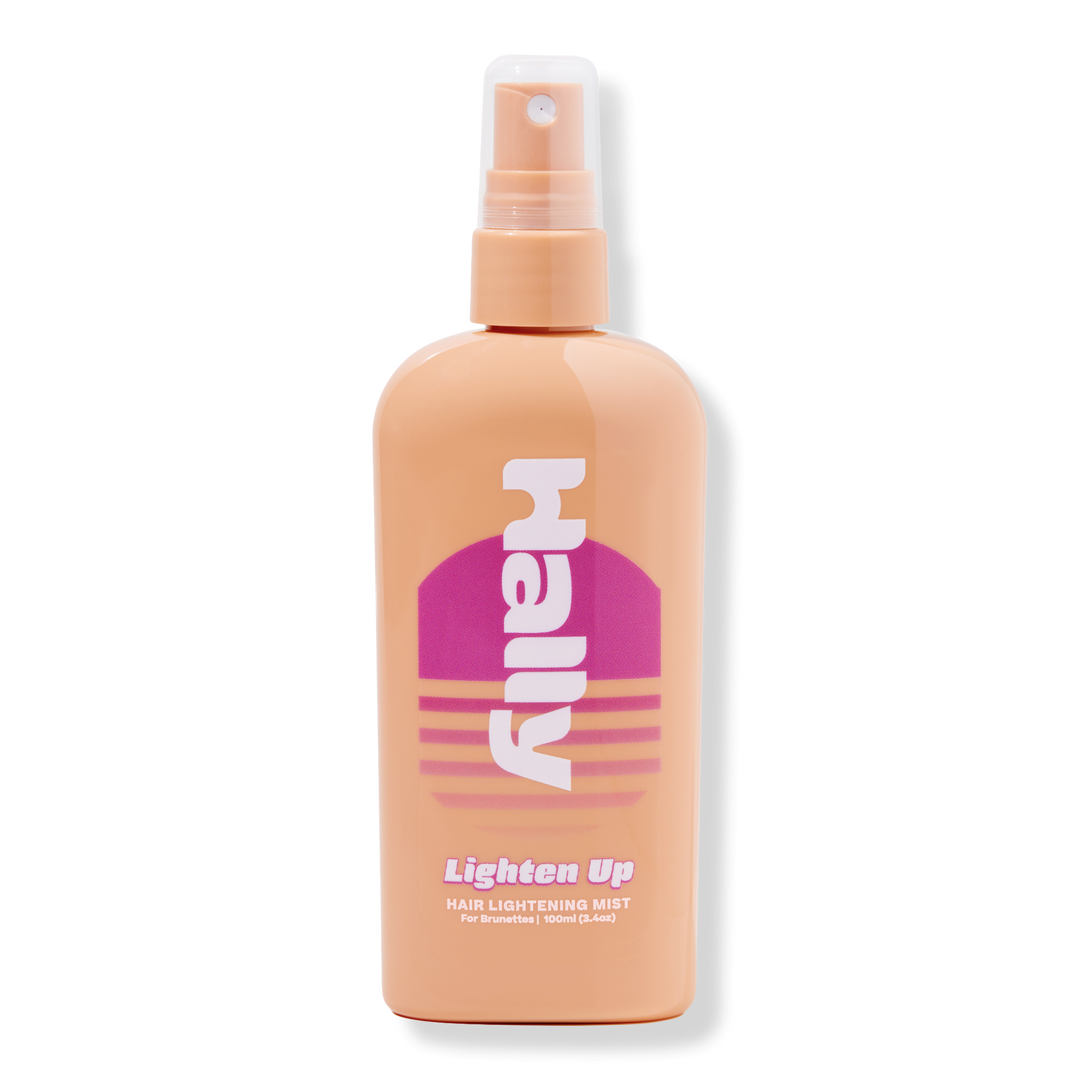
HALLY Lighten Up Hair Lightening Mist
A gentle hair lightener that gradually lightens hair 2-3 shades, creating natural-looking highlights without harsh lines. Activated by sun exposure or low heat, it offers custom formulas for blondes and brunettes and is cruelty-free and ammonia-free.
Color-safe
Silicone-free
Natural
Heat Protection
Anti-Frizz
Damage Repair
Optimized for Your Environment & Lifestyle
Nykaa
In stock
Recommended

HALLY Lighten Up Hair Lightening Mist
HALLY
hally-lighten-up-hair-lightening-mist
Hair Lightening Mist
10365003923749
Morning or Evening?
How often will you use this product?
Notes


Secure payment protection
Your Biodata Compatibility Analysis
Based on your 6 hair health indices and environmental factors
Poor Match
Significant incompatibilities
Growth Cycle Health Index
Hair Match
Hair Health Index Alignment
Optimal for OSI, SSI, DI, HSI
Ingredient Efficacy
Matching Ingredient Score
Environment Compatibility
Current UV, Air Quality & Humidity
Why This Works for Your Specific Profile
Damage Index:
Damage levels outside specified range may not benefit optimally from product formulation
Water Quality:
Hair:
No porosity-specific conflicts
Active Lifestyle:
No activity-specific conflicts
Your Hair Profile Integration
Your Hair Archetype

Density Level

Washing Frequency

Shedding Level

Oil Level
Your Hair Health Indices
Oil Secretion (OSI)
Very low oil production
Scalp Sensitivity (SSI)
Very low sensitivity
Growth Rate (CMR)
Poor metabolism rate
Damage Index (DI)
Minimal damage
Hair Strength (HSI)
Very weak strength
Softness Index (SI)
Significant improvement needed
Water & Environmental Integration

Water:


Expected Results & Timeline
Key Highlights

What is it?
Hair Lightening Mist, 3.4 oz

Who Is It For
Adults, All Genders

Budget
Rs. 1,565.66 - Rs. 3,131.32

Timeline
Gradual lightening over multiple applications
Why You’ll Love It

What Does It Help With?
Lightening hair color, Creating natural-looking highlights

Best for
Lightening hair color

Features
Lightens hair 2-3 shades, Easy-to-use spray, No harsh lines, Activated by sun exposure or low heat, Custom formulas for blondes and brunettes, Cruelty-free, Ammonia-free, Approved travel size

Checks
Cruelty-Free, Ammonia-Free
Ingredients Overview
Ingredients List
Water, Hydrogen Peroxide, Polysorbate 20, Polyquaternium-81, Polyquaternium-58, Propylene Glycol, Soytrimonium Chloride, Fragrance, German Chamomile Extract, Tetrasodium EDTA, Phosphoric Acid, Lemon Peel Powder Extract, Pineapple Fruit Juice, Sodium Phosphate Dibasic, Etidronic Acid, Aloe Vera Leaf Juice, Lavender Flower Extract, Passion Extract, Calendula Flower Powder, FD&C Blue No.1, Sunflower Seed Oil, Panthenol, Vitamin C, Sodium Hyaluronate, Tocopheryl Acetate, Phenoxyethanol, Ethylhexylglycerin
Key Ingredients
Hydrogen Peroxide, Aloe Vera Leaf Juice, Vitamin C, Panthenol, Sunflower Seed Oil
Ingredients Details
Ethylhexylglycerin
Common Name(s): Octylglycerin,2-ethylhexyl glycerol ether,sensiva sc 10
CAS Number: 70445-33-9
DESCRIPTION
What It Does: Provides antimicrobial skin conditioning with deodorant activity and preservation system enhancement.
Why It's Used: Multifunctional clean beauty preservation active — ethylhexylglycerin provides antimicrobial, deodorant, and skin conditioning in a single ingredient accepted in most natural cosmetic certification schemes.
How It Works: Glycerol ether provides antimicrobial via bacterial membrane phospholipid disruption. deodorant activity via reduction of underarm lipase enzyme activity (similar mechanism to triethyl citrate). skin conditioning from glycerol humectant component. synergistic with phenoxyethanol and diols.
Typically Found In: Natural preservation systems,deodorants,skin conditioning products
TECHNICAL DETAILS
Primary Category: Functional ingredient – antimicrobial glycerol ether
Secondary Functions: Skin conditioning
Application Areas:

Facial Skincare

Body Care
Hair Care
Beard Care
Color Cosmetics (Makeup)
Dietary/Oral Supplements
Typical Concentration Range: 0.1%–0.5%
SOURCING & ETHICS
Vegan Status: Conditional - supplier confirmation required
Halal Status: Unverified - supplier confirmation required
Source Notes: Commercially produced for cosmetic use. verify vegan/halal status with supplier. [audit 2026-07-29 rev2: the record's own source_notes does not assert a non-animal origin, or instructs the reader to verify with the supplier; "yes" asserts knowledge the record does not hold. determination requires shariah-panel sign-off.]
SKIN COMPATIBILITY
Irritancy Rating: 1/5 – very low
Comedogenicity Rating: 0/5 – non-comedogenic
Sensitivity Concerns: Well-tolerated by most skin types.
Safe for Sensitive Skin: Yes
SAFETY & COMPATIBILITY
Safety Profile: Good safety profile at recommended concentrations. ewg score: 1–2.
Works Well With: Standard skincare actives
Avoid Combining With: No known significant incompatibilities
SCIENTIFIC NOTE
Ethylhexylglycerin's deodorant mechanism is pharmacologically identical to triethyl citrate: both inhibit skin surface microbial lipase enzymes that convert odourless triglycerides to odorous free fatty acids. the glycerol ether structure of ethylhexylglycerin, combined with the 2-ethylhexyl chain, provides lipase inhibition similar to ester-based lipase inhibitors from a different chemical class.
Last Verified: 2026-03-12
Primary Sources: Cosing database,schülke sensiva sc 10 technical data,cir safety assessment
Etidronic Acid
Common Name(s): Etidronic acid,inci ingredient,cosmetic active
CAS Number: N/a
DESCRIPTION
What It Does: Provides documented cosmetic activity from etidronic acid.
Why It's Used: Etidronic acid delivers formulation value through its specific biological activity and established safety and efficacy.
How It Works: Source: etidronic acid. mechanism: documented in cosmetic literature. safety: cosing-reviewed. standard cosmetic use concentrations.
Typically Found In: Skin care formulations,active products
TECHNICAL DETAILS
Primary Category: Active ingredient – antioxidant
Secondary Functions: Free radical scavenging,anti-aging
Application Areas:
Facial Skincare
Body Care
Hair Care
Beard Care
Color Cosmetics (Makeup)
Dietary/Oral Supplements
Typical Concentration Range: 0.1%–5%
SOURCING & ETHICS
Vegan Status: Conditional - supplier confirmation required
Halal Status: Yes
Source Notes: Plant-derived extract or synthetic. [audit 2026-07-29 rev2: status downgraded on audit. determination requires shariah-panel sign-off.]
SKIN COMPATIBILITY
Irritancy Rating: 1/5 – very low
Comedogenicity Rating: 0/5 – non-comedogenic
Sensitivity Concerns: Non-irritating; well-tolerated.
Safe for Sensitive Skin: Yes
SAFETY & COMPATIBILITY
Safety Profile: Excellent safety profile. ewg score: 1.
Works Well With: Vitamin c,vitamin e,ferulic acid,spf,other antioxidants
Avoid Combining With: No significant incompatibilities
SCIENTIFIC NOTE
Etidronic acid provides cosmetic activity through its characteristic mechanism. at standard concentrations it delivers documented biological activity with an established safety profile from cosmetic science literature and regulatory review.
Last Verified: 2026-03-12
Primary Sources: Cosing database,etidronic acid technical literature
Fragrance
Common Name(s): Fragrance ingredient,eu allergen or aromatic component,olfactory/flavour
CAS Number: N/a
DESCRIPTION
What It Does: Provides the complete fragrance profile contributing to product sensory experience and consumer appeal.
Why It's Used: Fragrance is a major consumer purchase driver — up to 70% of consumers make purchasing decisions partially based on product scent.
How It Works: Fragrance blends interact with olfactory receptors providing the sensory profile — complex mixtures activate multiple receptor types for rich, multidimensional scent experiences.
Typically Found In: All fragrance products
TECHNICAL DETAILS
Primary Category: Active ingredient – cosmetic active
Secondary Functions: Skin conditioning
Application Areas:
Facial Skincare
Body Care
Hair Care
Beard Care
Color Cosmetics (Makeup)
Dietary/Oral Supplements
Typical Concentration Range: Standard use levels
SOURCING & ETHICS
Vegan Status: Conditional - supplier confirmation required
Halal Status: Unverified - supplier confirmation required
Source Notes: Commercially produced for cosmetic use. verify vegan/halal status with supplier. [audit 2026-07-29 rev2: the record's own source_notes does not assert a non-animal origin, or instructs the reader to verify with the supplier; "yes" asserts knowledge the record does not hold. determination requires shariah-panel sign-off.]
SKIN COMPATIBILITY
Irritancy Rating: 1/5 – very low
Comedogenicity Rating: 0/5 – non-comedogenic
Sensitivity Concerns: Well-tolerated by most skin types.
Safe for Sensitive Skin: Yes
SAFETY & COMPATIBILITY
Safety Profile: Good safety profile at recommended concentrations. ewg score: 1–2.
Works Well With: Standard skincare actives
Avoid Combining With: No known significant incompatibilities
SCIENTIFIC NOTE
Ifra guidelines set usage limits for fragrance ingredients based on skin sensitisation and phototoxicity assessment for each application category.
Last Verified: 2026-03-12
Primary Sources: Eu regulation 1223/2009 annex iii,ifra standards,fragrance allergen declaration requirements
Hydrogen Peroxide
Common Name(s): H2o2,peroxide,developer
CAS Number: 7722-84-1
DESCRIPTION
What It Does: Provides the oxidation power necessary for permanent hair colour development and hair lightening.
Why It's Used: The essential permanent hair colour oxidant – hydrogen peroxide provides both lightening (melanin bleaching) and dye chromophore formation in a single oxidant for complete permanent colouring.
How It Works: H2o2 at alkaline ph generates ooh⁻ (perhydroxyl anion) as the actual bleaching species. ooh⁻ oxidises melanin eumelanin in fenton-type reaction. simultaneously oxidises hair dye primary intermediates (ppd→quinonediimine) for coupling.
Typically Found In: Permanent hair colour developer,hair bleaching
TECHNICAL DETAILS
Primary Category: Hair colourant – oxidant
Secondary Functions: Skin conditioning
Application Areas:
Facial Skincare
Body Care
Hair Care
Beard Care
Color Cosmetics (Makeup)
Dietary/Oral Supplements
Typical Concentration Range: 1.5%–12% (in developer formulations)
SOURCING & ETHICS
Vegan Status: Conditional - supplier confirmation required
Halal Status: Unverified - supplier confirmation required
Source Notes: Commercially produced for cosmetic use. verify vegan/halal status with supplier. [audit 2026-07-29 rev2: the record's own source_notes does not assert a non-animal origin, or instructs the reader to verify with the supplier; "yes" asserts knowledge the record does not hold. determination requires shariah-panel sign-off.]
SKIN COMPATIBILITY
Irritancy Rating: 1/5 – very low
Comedogenicity Rating: 0/5 – non-comedogenic
Sensitivity Concerns: Well-tolerated by most skin types.
Safe for Sensitive Skin: Yes
SAFETY & COMPATIBILITY
Safety Profile: Eu cosmetics regulation annex iii: max 12% in hair care products. regulated as professional-use-only above 6%. causes hair and scalp damage at high concentrations or extended exposure.
Works Well With: Standard skincare actives
Avoid Combining With: No known significant incompatibilities
SCIENTIFIC NOTE
Hydrogen peroxide's hair bleaching action at alkaline ph (the developer system ph 9-11) is mediated by the perhydroxyl anion (ooh⁻) rather than h2o2 itself. the ooh⁻ concentration is governed by the ionisation equilibrium h2o2 ⇌ h⁺ + ooh⁻ (pka 11.65), meaning alkaline developer ph dramatically increases ooh⁻ concentration for efficient melanin oxidation – the chemical basis for alkali developer volumes (10v, 20v, 30v, 40v) providing different bleaching rates.
Last Verified: 2026-03-12
Primary Sources: Cosing database,eu annex iii,cir safety assessment
Personalized Usage Instructions
How to Use
Step 1
Spray onto dry or damp hair and comb through evenly
Step 2
Activate naturally with sun exposure or apply low heat with a blow dryer for 3-4 minutes
Step 3
Repeat until desired results are achieved
Step 4
Do not use more than once between hair washes
Medical Chemicals

Protein/Moisture
- Moisture
pH Level
- Acidic

Porosity Taget
- Normal Porosity
Customized for Your Profile
Scalp Condtions
pH Balanced
Climate Suitability
Humid, Dry, UV Protection, Summer
Clinical Claims
Lightens hair 2-3 shades, No harsh lines
Frequency
Spray onto dry or damp hair and comb through evenly. Activate naturally with sun exposure or apply low heat with a blow dryer for 3-4 minutes. Repeat until desired results are achieved. Do not use more than once between hair washes.
Product Information

Cruelty-Free
Ammonia-Free