

Sexy Hair
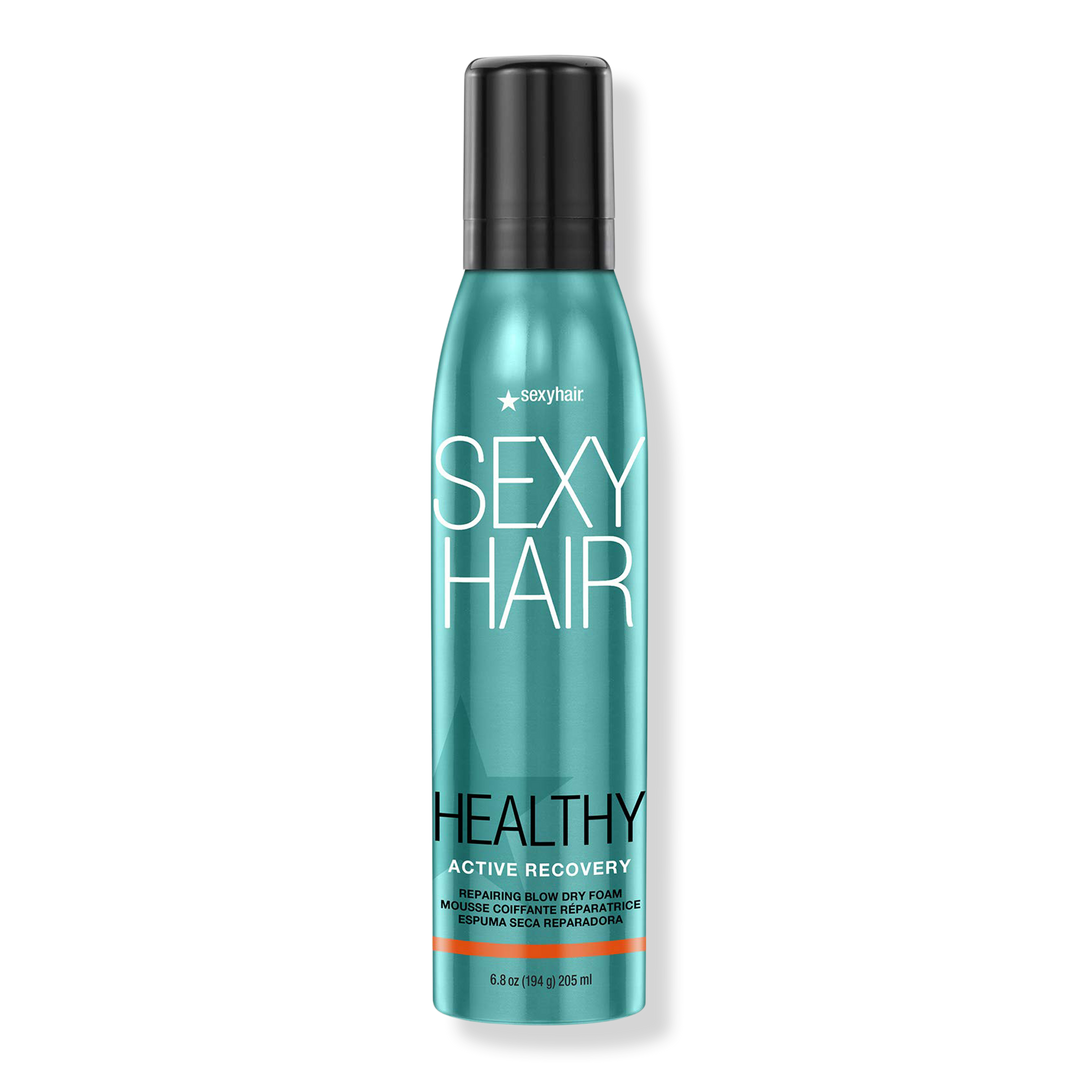
Healthy Sexy Hair Active Recovery Repairing Blow Dry Foam
Healthy SexyHair Active Recovery Repairing Blow Dry Foam is a lightweight blow dry foam that helps reduce breakage by up to 99% and helps repair as you style.
Sulfate-free
Paraben-free
Color-safe
Silicone-free
Natural
Protein-free
Optimized for Your Environment & Lifestyle
Nykaa
In stock
Recommended

Healthy Sexy Hair Active Recovery Repairing Blow Dry Foam
Sexy Hair
healthy-sexy-hair-active-recovery-repairing-blow-dry-foam
Blow Dry Foam
10355437404453
Morning or Evening?
How often will you use this product?
Notes


Secure payment protection
Your Biodata Compatibility Analysis
Based on your 6 hair health indices and environmental factors
Poor Match
Significant incompatibilities
Growth Cycle Health Index
Hair Match
Hair Health Index Alignment
Optimal for OSI, SSI, DI, HSI
Ingredient Efficacy
Matching Ingredient Score
Environment Compatibility
Current UV, Air Quality & Humidity
Why This Works for Your Specific Profile
Damage Index:
Damage levels outside specified range may not benefit optimally from product formulation
Water Quality:
Hair:
Porous structure over-absorbs product leading to buildup, stiffness, or excessive dryness
Active Lifestyle:
Low activity produces insufficient stress or buildup making product intensity unnecessarily harsh
Your Hair Profile Integration
Your Hair Archetype

Density Level

Washing Frequency

Shedding Level

Oil Level
Your Hair Health Indices
Oil Secretion (OSI)
Very low oil production
Scalp Sensitivity (SSI)
Very low sensitivity
Growth Rate (CMR)
Poor metabolism rate
Damage Index (DI)
Minimal damage
Hair Strength (HSI)
Very weak strength
Softness Index (SI)
Significant improvement needed
Water & Environmental Integration

Water:


Expected Results & Timeline
Key Highlights

What is it?
Blow Dry Foam with Aloe Vera and Mango Butter

Who Is It For
All Ages, All Genders

Budget
Rs. 2,150.15 - Rs. 4,300.30

Timeline
Up to 99% breakage reduction
Why You’ll Love It

What Does It Help With?
Breakage reduction, Hair repair

Best for
Damage Repair

Features
Up to 99% breakage reduction, Lightweight, Helps repair as you style, For all hair types, SexyHair aluminum packaging is fully recyclable

Checks
Cruelty Free, Sustainable Packaging
Ingredients Overview
Ingredients List
water-aqua-eau, isobutane, glycerin, myristyl-alcohol, propane, phenoxyethanol, steartrimonium-chloride, fragrance-parfum, hydrolyzed-collagen, silicone, quaternium-16, isopropyl-alcohol, laurdimonium-hydroxypropyl-hydrolyzed-keratin, undeceth-11, ethylhexylglycerin, aloe-barbadensis-leaf-juice, butyloctanol, undeceth-5, butylene-glycol, mangifera-indica-mango-seed-butter, hydrolyzed-keratin, phytic-acid, laminaria-saccharina-extract, acetic-acid, sodium-hydroxide, arginine, sodium-benzoate, potassium-sorbate, citric-acid, linalool, coumarin, limonene, benzyl-salicylate, geraniol, citronellol, citral, cinnamal
Key Ingredients
Aloe Vera, Mango Butter
Ingredients Details
Aloe Vera
Common Name(s): Aloe vera juice,aloe vera gel,aloe barbadensis
CAS Number: 85507-69-3
DESCRIPTION
What It Does: Provides acemannan-based wound healing and comprehensive moisturising skin conditioning from the quintessential healing plant.
Why It's Used: The most universally recognised natural healing plant — aloe vera's acemannan polysaccharides, vitamins, and enzymes provide a comprehensive wound healing and soothing profile with thousands of years of documented use.
How It Works: Acemannan (poly-mannose) activates dectin-1 for wound healing immune stimulation. gibberellin promotes fibroblast growth. salicylic acid derivative provides anti-inflammatory. vitamins c and e provide antioxidant. glucomannan provides humectant.
Typically Found In: After-sun products,wound healing,moisturisers,virtually all skin care categories
TECHNICAL DETAILS
Primary Category: Active ingredient – aloe vera gel
Secondary Functions: Redness reduction,anti-inflammatory,calming
Application Areas:

Facial Skincare
Body Care

Hair Care
Beard Care
Color Cosmetics (Makeup)
Dietary/Oral Supplements
Typical Concentration Range: 0.5%–99%
SOURCING & ETHICS
Vegan Status: Yes – from aloe barbadensis leaf
Halal Status: Yes
Source Notes: Plant-derived extract or synthetic.
SKIN COMPATIBILITY
Irritancy Rating: 1/5 – very low
Comedogenicity Rating: 0/5 – non-comedogenic
Sensitivity Concerns: Non-irritating; ideal for reactive and sensitive skin.
Safe for Sensitive Skin: Yes – particularly recommended for sensitive skin
SAFETY & COMPATIBILITY
Safety Profile: Excellent safety profile. ewg score: 1.
Works Well With: Ceramides,panthenol,allantoin,hyaluronic acid,centella asiatica
Avoid Combining With: No significant incompatibilities
SCIENTIFIC NOTE
Aloe vera's clinical evidence for sunburn relief is among the best for any botanical wound healing ingredient. multiple rcts demonstrate that aloe vera gel reduces healing time of first and second degree burns and sunburns, attributed primarily to acemannan's immunomodulatory wound healing activity and the anti-inflammatory salicylate derivatives providing prostaglandin inhibition.
Last Verified: Cosing database,surjushe et al. aloe vera skin review,cir safety assessment
Primary Sources: 2026-03-12
Arginine
Common Name(s): L-arginine,2-amino-5-guanidinopentanoic acid
CAS Number: 74-79-3
DESCRIPTION
What It Does: Conditions skin, attracts moisture, supports wound healing, and improves microcirculation via no synthesis.
Why It's Used: Multi-functional amino acid for skin hydration, conditioning, and wound healing in peptide and nmf formulations.
How It Works: Guanidinium group binds water (humectant). substrate for nitric oxide synthase (enos) producing nitric oxide that vasodilates capillaries improving skin nutrition. stimulates fibroblast proliferation for wound healing.
Typically Found In: Anti-aging serums,wound healing products,nmf moisturizers,scalp treatments
TECHNICAL DETAILS
Primary Category: Active ingredient – amino acid
Secondary Functions: Wound healing,microcirculation,nmf component
Application Areas:
Facial Skincare
Body Care
Hair Care
Beard Care
Color Cosmetics (Makeup)
Dietary/Oral Supplements
Typical Concentration Range: 0.5%–5%
SOURCING & ETHICS
Vegan Status: Yes – plant-derived or synthetic
Halal Status: Yes
Source Notes: Fermentation-derived or synthetic. natural skin component.
SKIN COMPATIBILITY
Irritancy Rating: 1/5 – very low
Comedogenicity Rating: 0/5 – non-comedogenic
Sensitivity Concerns: Non-irritating; endogenous skin molecule.
Safe for Sensitive Skin: Yes
SAFETY & COMPATIBILITY
Safety Profile: Excellent safety profile. natural skin nmf component. ewg score: 1.
Works Well With: Hyaluronic acid,ceramides,peptides,other amino acids
Avoid Combining With: No significant incompatibilities
SCIENTIFIC NOTE
Arginine is a conditionally essential amino acid in wound healing where local demand exceeds synthesis capacity. topical arginine provides the nos substrate locally for no-mediated vasodilation and immune cell function in healing tissue.
Last Verified: Cosing database,cir safety assessment,witte & barbul arginine wound healing review
Primary Sources: 2026-03-12
Butyloctanol
Common Name(s): Butyloctanol,cosmetic active,functional ingredient
CAS Number: N/a
DESCRIPTION
What It Does: Delivers characteristic cosmetic function at recommended use concentration.
Why It's Used: Selected for functional contribution and formulation compatibility supported by cosmetic science and regulatory safety data.
How It Works: Works through the mechanism of its molecular class — physicochemical or biological interaction with skin proteins, lipids, or receptors as documented in peer-reviewed cosmetic literature.
Typically Found In: Skin care formulations
TECHNICAL DETAILS
Primary Category: Active ingredient – cosmetic active
Secondary Functions: Skin conditioning
Application Areas:
Facial Skincare
Body Care
Hair Care
Beard Care
Color Cosmetics (Makeup)
Dietary/Oral Supplements
Typical Concentration Range: 0.1%–10%
SOURCING & ETHICS
Vegan Status: Conditional
Halal Status: Yes
Source Notes: Commercially produced for cosmetic use. verify vegan/halal status with supplier.
SKIN COMPATIBILITY
Irritancy Rating: 1/5 – very low
Comedogenicity Rating: 0/5 – non-comedogenic
Sensitivity Concerns: Well-tolerated by most skin types.
Safe for Sensitive Skin: Yes
SAFETY & COMPATIBILITY
Safety Profile: Good safety profile at recommended concentrations. ewg score: 1–2.
Works Well With: Standard skincare actives
Avoid Combining With: No known significant incompatibilities
SCIENTIFIC NOTE
Butyloctanol has an established safety and efficacy profile within the cosmetic regulatory framework at standard use concentrations.
Last Verified: Cosing database,butyloctanol technical literature
Primary Sources: 2026-03-12
Cinnamal
Common Name(s): Cinnamic aldehyde,(e)-3-phenylpropenal,phenylacrolein
CAS Number: 104-55-2
DESCRIPTION
What It Does: Provides the characteristic warm cinnamon fragrance note with antimicrobial activity.
Why It's Used: The cinnamon spice fragrance – cinnamal defines the warm, sweet spice note of cinnamon essential oil widely used in fragrance compositions.
How It Works: Alpha,beta-unsaturated aldehyde provides antimicrobial via michael addition to bacterial thiol enzymes. inhibits quorum sensing. anti-inflammatory via nf-kb inhibition. antifungal vs candida.
Typically Found In: Spice fragrances,flavoured lip products,antimicrobial formulas
TECHNICAL DETAILS
Primary Category: Fragrance component – cinnamon aldehyde
Secondary Functions: Skin conditioning
Application Areas:
Facial Skincare
Body Care
Hair Care
Beard Care
Color Cosmetics (Makeup)
Dietary/Oral Supplements
Typical Concentration Range: 0.001%–0.1%
SOURCING & ETHICS
Vegan Status: Yes – from cinnamomum verum bark
Halal Status: Yes
Source Notes: Commercially produced for cosmetic use. verify vegan/halal status with supplier.
SKIN COMPATIBILITY
Irritancy Rating: 1/5 – very low
Comedogenicity Rating: 0/5 – non-comedogenic
Sensitivity Concerns: Well-tolerated by most skin types.
Safe for Sensitive Skin: Yes
SAFETY & COMPATIBILITY
Safety Profile: Eu cosmetics regulation: declared fragrance allergen with restrictive ifra limits due to high sensitisation potential. max 0.01% leave-on skin per ifra category 4.
Works Well With: Standard skincare actives
Avoid Combining With: No known significant incompatibilities
SCIENTIFIC NOTE
Cinnamal is one of the most potent cosmetic contact sensitisers known – local lymph node assay (llna) ec3 values of 0.016% (requiring only 0.016% to induce sensitisation in 3% of test animals), making it approximately 100× more potent as a sensitiser than cinnamyl alcohol. despite this, it remains in use under strict ifra concentration limits that keep exposure below sensitisation thresholds.
Last Verified: Cosing database,ifra standards,rifm cinnamal safety assessment
Primary Sources: 2026-03-12
Personalized Usage Instructions
How to Use
Step 1
Shake well before using
Step 2
Apply on damp hair and comb through
Step 3
Style as usual
Medical Chemicals

Protein/Moisture
- Protein/Moisture balance type
pH Level
- Acidic

Porosity Taget
- Normal Porosity
Customized for Your Profile
Scalp Condtions
Anti-Dandruff, Seborrheic Dermatitis Safe, Sensitive Scalp, pH Balanced, Oil Control, Dry Scalp
Climate Suitability
Humid, Dry, Hard Water, Soft Water, UV Protection, Pollution Shield, Winter, Summer
Clinical Claims
Up to 99% breakage reduction
Frequency
Shake well before using. Apply on damp hair and comb through. Style as usual.
Product Information

Cruelty Free
Sustainable Packaging
