

HEIMISH
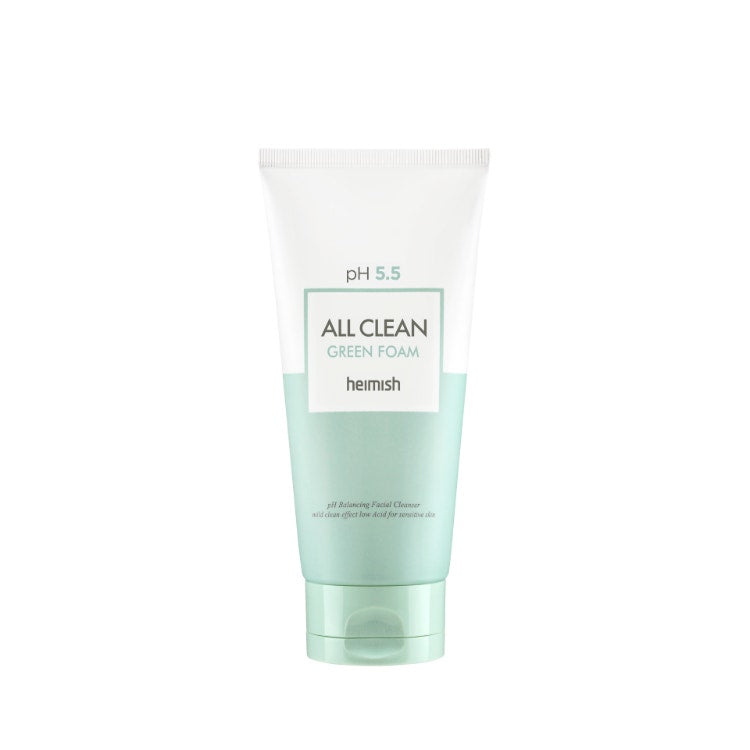
Heimish All Clean Green Foam 150G

Heimish All Clean Green Foam 150G
HEIMISH
heimish-all-clean-green-foam-150g
Cleanse
10084706287909
Morning or Evening?
How often will you use this product?
Notes


Highlights
WHAT IS IT?
Low pH cleanser with multiple plant-based ingredients; 15 ingredients
FEATURES
Low pH gel to foam cleanser, Witch Hazel and Cica for anti-inflammatory and antibacterial soothing, Plant-based surfactant, EWG Green ingredients, Fragrance/Color/Ethanol-free
BEST FOR
sensitive
CHECKS
Fragrance, Color, Ethanol
Who Is It For?
What Does It Help With?
Gentle Effective Cleansing Anti-inflammatory Antibacterial Soothing Prevents BreakoutsBudget
Mid-range ($30-$75)How To Use
Which routine should it be used in?
Instructions:
Key Information


What HEIMISH Says
Product Description:
Clear gel to rich bubble, this low pH cleanser is formulated with Witch Hazel for gentle and effective cleansing for day & night. -Vegan, Plant-based surfactant for soft cleansing -Safe formula - EWG Green ingredients and Fragrance/Color/Ethanol-free. -Treat your skin right - Cica & Witch Hazel for anti-inflammatory, antibacterial, and soothing effects -Rinse your face with water in the morning? - Bacteria and germs on your PM moisturizers can accumulate. This cleanser is beneficial for preventing unwanted breakouts.
About the Brand:
Ingredients Overview
Ingredients List
Water,Potassium-Laureth-Phosphate,Glycerin,Lauryl-hydroxysultaine,Acrylates/C10-30-alkyl-acrylate-crosspolymer,Quillaja-Saponaria-Bark-Extract,Centella-Asiatica-Extract,Hamamelis-Virginiana-Water,Potassium-Cocoyl-Glutamate,Citric-Acid,Coco-glucoside,Sodium-chloride,Caprylyl-Glycol,Glyceryl-caprylate,Tromethamine,Sodium-cocoyl-glutamate,Sodium-Cocoyl-Isethionate,1,2-Hexanediol,Disodium-EDTA
Key Ingredients
Witch Hazel, Centella Asiatica, Cica, Plant-based surfactant
Ingredients Details
1-2-hexanediol
Common Name(s): 1-2-hexanediol,cosmetic active,functional ingredient
CAS Number: N/a
DESCRIPTION
What It Does: Delivers characteristic cosmetic function at recommended use concentration.
Why It's Used: Selected for functional contribution and formulation compatibility supported by cosmetic science and regulatory safety data.
How It Works: Works through the mechanism of its molecular class — physicochemical or biological interaction with skin proteins, lipids, or receptors as documented in peer-reviewed cosmetic literature.
Typically Found In: Skin care formulations
TECHNICAL DETAILS
Primary Category: Active ingredient – cosmetic active
Secondary Functions: Skin conditioning
Application Areas:

Facial Skincare

Body Care
Hair Care
Beard Care
Color Cosmetics (Makeup)
Dietary/Oral Supplements
Typical Concentration Range: 0.1%–10%
SOURCING & ETHICS
Vegan Status: Conditional
Halal Status: Yes
Source Notes: Commercially produced for cosmetic use. verify vegan/halal status with supplier.
SKIN COMPATIBILITY
Irritancy Rating: 1/5 – very low
Comedogenicity Rating: 0/5 – non-comedogenic
Sensitivity Concerns: Well-tolerated by most skin types.
Safe for Sensitive Skin: Yes
SAFETY & COMPATIBILITY
Safety Profile: Good safety profile at recommended concentrations. ewg score: 1–2.
Works Well With: Standard skincare actives
Avoid Combining With: No known significant incompatibilities
SCIENTIFIC NOTE
1-2-hexanediol has an established safety and efficacy profile within the cosmetic regulatory framework at standard use concentrations.
Last Verified: Cosing database,1-2-hexanediol technical literature
Primary Sources: 2026-03-12
Coco-glucoside
Common Name(s): Coconut glucoside,apg c8-c16
CAS Number: 68515-73-1
DESCRIPTION
What It Does: Provides gentle, natural-origin cleansing with good foam from mixed coconut chain alkyl glucosides.
Why It's Used: Widely used natural surfactant for green beauty formulations requiring good foam performance with natural-origin and mild credentials.
How It Works: Mixed c8-c16 fatty alcohol chain lengths from coconut provide broader foam stability than single-chain glucosides. non-ionic glucoside headgroup provides mildness. better detergency and rinsing than individual chain-length apgs due to mixed chain distribution.
Typically Found In: Natural shampoos,body washes,facial cleansers
TECHNICAL DETAILS
Primary Category: Functional ingredient – coconut alkyl glucoside
Secondary Functions: Skin conditioning
Application Areas:
Facial Skincare
Body Care
Hair Care
Beard Care
Color Cosmetics (Makeup)
Dietary/Oral Supplements
Typical Concentration Range: 2%–20%
SOURCING & ETHICS
Vegan Status: Yes – from coconut fatty alcohols and glucose
Halal Status: Yes
Source Notes: Commercially produced for cosmetic use. verify vegan/halal status with supplier.
SKIN COMPATIBILITY
Irritancy Rating: 1/5 – very low
Comedogenicity Rating: 0/5 – non-comedogenic
Sensitivity Concerns: Well-tolerated by most skin types.
Safe for Sensitive Skin: Yes
SAFETY & COMPATIBILITY
Safety Profile: Good safety profile at recommended concentrations. ewg score: 1–2.
Works Well With: Standard skincare actives
Avoid Combining With: No known significant incompatibilities
SCIENTIFIC NOTE
Coco-glucoside's natural chain length distribution (c8-c16) provides synergistic surfactant effects where different chain lengths optimize different properties: shorter chains provide initial foam burst, longer chains provide foam stability and soil removal, creating better overall performance than any single chain length alone.
Last Verified: Cosing database,cir safety assessment
Primary Sources: 2026-03-12
Glycerin
Common Name(s): Glycerol,glycerine,1,2,3-propanetriol
CAS Number: 56-81-5
DESCRIPTION
What It Does: Glycerin pulls water from the environment and deeper skin layers into the outer skin layer (epidermis), boosting moisture levels and keeping skin soft, smooth, and plump.
Why It's Used: It is used in virtually every moisturizer, serum, and cleanser because it is highly effective at hydrating skin, is well-tolerated by all skin types, and enhances the texture and spreadability of formulations.
How It Works: As a humectant, glycerin forms hydrogen bonds with water molecules, trapping them in the skin. it also reinforces the skin barrier by integrating into lipid structures between skin cells.
Typically Found In: Moisturizers,serums,cleansers,toners,sheet masks,sunscreens,body lotions,shampoos,conditioners
TECHNICAL DETAILS
Primary Category: Humectant
Secondary Functions: Skin barrier support,emollient,solvent
Application Areas:
Facial Skincare
Body Care
Hair Care
Beard Care
Color Cosmetics (Makeup)
Dietary/Oral Supplements
Typical Concentration Range: 1%–30% (typical: 3–10%)
SOURCING & ETHICS
Vegan Status: Yes – plant-derived (coconut, soy, palm) or synthetic
Halal Status: Yes – when plant-derived or synthetic; verify source with supplier
Source Notes: Derived from plant oils via hydrolysis or saponification; synthetic versions also available. palm-derived glycerin carries sustainability concerns.
SKIN COMPATIBILITY
Irritancy Rating: 1/5 – very low; non-irritating at all standard concentrations
Comedogenicity Rating: 0/5 – non-comedogenic
Sensitivity Concerns: Extremely rare allergic reactions; generally safe for all skin types including sensitive and baby skin
Safe for Sensitive Skin: Yes
SAFETY & COMPATIBILITY
Safety Profile: Widely recognized as safe. ewg hazard score: 1. no significant concerns for irritation, sensitization, or toxicity at typical concentrations (up to 50%).
Works Well With: Hyaluronic acid,ceramides,niacinamide,panthenol,urea,peptides,retinol,ahas/bhas
Avoid Combining With: No known incompatibilities at standard concentrations
SCIENTIFIC NOTE
Glycerin is an endogenous skin component found naturally in the stratum corneum. aquaporin-3 channels in keratinocytes facilitate glycerin transport, making it integral to natural skin hydration pathways.
Last Verified: Cosing database,cir safety assessment,ewg skin deep,inci decoder
Primary Sources: 2026-03-12
Tromethamine
Common Name(s): Tromethamine (tris),ph buffer/neutraliser,gentle base alternative
CAS Number: N/a
DESCRIPTION
What It Does: Neutralises acidic cosmetic ingredients (carbomers, fatty acids, ahas) to target ph, provides ph stability through the tris/tris-h⁺ buffer system, and contributes to formulation gentleness versus stronger inorganic alkalis.
Why It's Used: Tris provides gentler ph adjustment than naoh — the organic amino alcohol buffer provides resistance to ph drift while the buffered system resists irritation spikes that can occur with strong base over-addition.
How It Works: Tris's primary amine (pka 8.1) provides buffering capacity at ph 7–9 through the nh₂/nh₃⁺ equilibrium. as an organic base, tris neutralises carbomer carboxylic acid groups forming the carboxylate salt required for gel formation. the buffering capacity prevents over-alkalinisation from base addition during manufacturing.
Typically Found In: Gel formulations,ph-sensitive actives
TECHNICAL DETAILS
Primary Category: Active ingredient – cosmetic active
Secondary Functions: Skin conditioning
Application Areas:
Facial Skincare
Body Care
Hair Care
Beard Care
Color Cosmetics (Makeup)
Dietary/Oral Supplements
Typical Concentration Range: 0.1%–2%
SOURCING & ETHICS
Vegan Status: Yes
Halal Status: Yes
Source Notes: Commercially produced for cosmetic use. verify vegan/halal status with supplier.
SKIN COMPATIBILITY
Irritancy Rating: 1/5 – very low
Comedogenicity Rating: 0/5 – non-comedogenic
Sensitivity Concerns: Well-tolerated by most skin types.
Safe for Sensitive Skin: Yes
SAFETY & COMPATIBILITY
Safety Profile: Good safety profile at recommended concentrations. ewg score: 1–2.
Works Well With: Standard skincare actives
Avoid Combining With: No known significant incompatibilities
SCIENTIFIC NOTE
Tris is particularly useful for neutralising carbomer-gelled formulations containing ph-sensitive actives (vitamin c, ahas) where naoh addition can cause localised high-ph zones — the tris buffer's pka 8.1 provides inherent ph ceiling limiting over-alkalinisation during mixing.
Last Verified: Cosing database,tromethamine tris ph buffer neutraliser review
Primary Sources: 2026-03-12
