

It's Skin
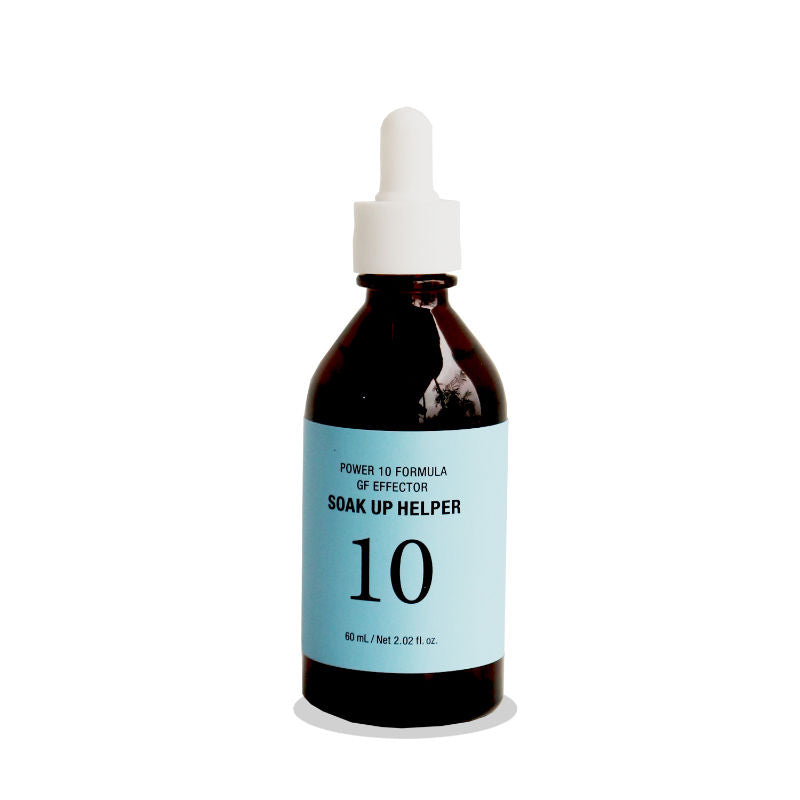
It's Skin Power 10 Formula GF Effector

It's Skin Power 10 Formula GF Effector
It's Skin
its-skin-power-10-formula-gf-effector
Serum
10084732698917
Morning or Evening?
How often will you use this product?
Notes


Highlights
WHAT IS IT?
Face serum containing bio-based polymers and patented GF-Polymer
FEATURES
Face serum that gives smooth and supple skin, formulated with bio-based polymers and patented GF-Polymer, GF-Polymer from grifola helps retain moisture, combats dryness and dullness, promotes healthy hydrated skin
BEST FOR
sensitive
CHECKS
Paraben-Free,Preservative-free,Fragrance-free,Sulfate-free
Who Is It For?
What Does It Help With?
Hydration Dryness DullnessBudget
Premium ($76-$150)How To Use
Which routine should it be used in?
Instructions:
Key Information


What It's Skin Says
Product Description:
It's Skin Power 10 Formula GF Effector is a miraculous serum containing bio-based polymers. The GF-Polymer is an exclusive patented ingredient extracted from grifola that helps in retaining moisture in the skin. It hydrates skin making it healthy, smooth and supple.
About the Brand:
Ingredients Overview
Ingredients List
Water,Glycerin,Pentylene-Glycol,Butylene-Glycol,Ginkgo-Biloba-Leaf-Water,Methyl-Gluceth-20,Methylpropanediol,1-2-Hexanediol,Ammonium-Acryloyldimethyltauratenp-Copolymer,Caprylyl-Capryl-Glucoside,Acrylates-C10-30-Alkyl-Acrylate-Crosspolymer,Polyglyceryl-10-Laurate,Tromethamine,Polyglyceryl-10-Oleate,Sodium-Phy-Tate,Sodium-Hyaluronate,Melia-Azadirachta-Leaf-Extract,Pyrus-Communis-(Pear)-Fruit-Extract,Melia-Azadirachta-Flower-Extract,Santalum-Album-(San-Dalwood)-Oil,Rosa-Damascena-Flower-Water,Coccnia-Indica-Fruit-Extract,Iris-Florentina-Root-Extract,Cucumis-Melo-(Melon)-Fruit-Extract,Hedera-Helix-(Ny)-Leaf-Stem-Extract,Aloe-Barbadensis-Flower-Extract,Hydroxypropyltrimonium-Hyaluronate,Solanum-Melongena-(Eggplant)-Fruit-Extract,Hydrolyzed-Sodium-Hyaluronate,Ocimum-Sanctum-Leaf-Extract,Artemisia-Vulgaris-Oil,Corallina-Officinalis-Extract,Curcuma-Longa-(Turmeric)-Root-Extract,Hydrolyzed-Hyaluronic-Acid,Sodium-Acetylated-Hyaluronate,Hyaluronic-Acid,Sodium-Hyaluronate-Crosspolymer,Potassium-Hyaluronate
Key Ingredients
GF-Polymer extracted from grifola, bio-based polymers
Ingredients Details
1-2-hexanediol
Common Name(s): 1-2-hexanediol,cosmetic active,functional ingredient
CAS Number: N/a
DESCRIPTION
What It Does: Delivers characteristic cosmetic function at recommended use concentration.
Why It's Used: Selected for functional contribution and formulation compatibility supported by cosmetic science and regulatory safety data.
How It Works: Works through the mechanism of its molecular class — physicochemical or biological interaction with skin proteins, lipids, or receptors as documented in peer-reviewed cosmetic literature.
Typically Found In: Skin care formulations
TECHNICAL DETAILS
Primary Category: Active ingredient – cosmetic active
Secondary Functions: Skin conditioning
Application Areas:

Facial Skincare

Body Care
Hair Care
Beard Care
Color Cosmetics (Makeup)
Dietary/Oral Supplements
Typical Concentration Range: 0.1%–10%
SOURCING & ETHICS
Vegan Status: Conditional - supplier confirmation required
Halal Status: Unverified - supplier confirmation required
Source Notes: Commercially produced for cosmetic use. verify vegan/halal status with supplier. [audit 2026-07-29 rev2: the record's own source_notes does not assert a non-animal origin, or instructs the reader to verify with the supplier; "yes" asserts knowledge the record does not hold. determination requires shariah-panel sign-off.]
SKIN COMPATIBILITY
Irritancy Rating: 1/5 – very low
Comedogenicity Rating: 0/5 – non-comedogenic
Sensitivity Concerns: Well-tolerated by most skin types.
Safe for Sensitive Skin: Yes
SAFETY & COMPATIBILITY
Safety Profile: Good safety profile at recommended concentrations. ewg score: 1–2.
Works Well With: Standard skincare actives
Avoid Combining With: No known significant incompatibilities
SCIENTIFIC NOTE
1-2-hexanediol has an established safety and efficacy profile within the cosmetic regulatory framework at standard use concentrations.
Last Verified: 2026-03-12
Primary Sources: Cosing database,1-2-hexanediol technical literature
Glycerin
Common Name(s): Glycerol,glycerine,1,2,3-propanetriol
CAS Number: 56-81-5
DESCRIPTION
What It Does: Glycerin pulls water from the environment and deeper skin layers into the outer skin layer (epidermis), boosting moisture levels and keeping skin soft, smooth, and plump.
Why It's Used: It is used in virtually every moisturizer, serum, and cleanser because it is highly effective at hydrating skin, is well-tolerated by all skin types, and enhances the texture and spreadability of formulations.
How It Works: As a humectant, glycerin forms hydrogen bonds with water molecules, trapping them in the skin. it also reinforces the skin barrier by integrating into lipid structures between skin cells.
Typically Found In: Moisturizers,serums,cleansers,toners,sheet masks,sunscreens,body lotions,shampoos,conditioners
TECHNICAL DETAILS
Primary Category: Humectant
Secondary Functions: Skin barrier support,emollient,solvent
Application Areas:
Facial Skincare
Body Care
Hair Care
Beard Care
Color Cosmetics (Makeup)
Dietary/Oral Supplements
Typical Concentration Range: 1%–30% (typical: 3–10%)
SOURCING & ETHICS
Vegan Status: Conditional - feedstock declaration required
Halal Status: Unverified - feedstock declaration required (plant, animal and petrochemical routes all exist)
Source Notes: Derived from plant oils via hydrolysis or saponification; synthetic versions also available. palm-derived glycerin carries sustainability concerns. [audit 2026-07-29 rev2: origin-dependent: the same inci exists in plant, animal and petrochemical versions and the name does not discriminate. determination requires shariah-panel sign-off.]
SKIN COMPATIBILITY
Irritancy Rating: 1/5 – very low; non-irritating at all standard concentrations
Comedogenicity Rating: 0/5 – non-comedogenic
Sensitivity Concerns: Extremely rare allergic reactions; generally safe for all skin types including sensitive and baby skin
Safe for Sensitive Skin: Yes
SAFETY & COMPATIBILITY
Safety Profile: Widely recognized as safe. ewg hazard score: 1. no significant concerns for irritation, sensitization, or toxicity at typical concentrations (up to 50%).
Works Well With: Hyaluronic acid,ceramides,niacinamide,panthenol,urea,peptides,retinol,ahas/bhas
Avoid Combining With: No known incompatibilities at standard concentrations
SCIENTIFIC NOTE
Glycerin is an endogenous skin component found naturally in the stratum corneum. aquaporin-3 channels in keratinocytes facilitate glycerin transport, making it integral to natural skin hydration pathways.
Last Verified: 2026-03-12
Primary Sources: Cosing database,cir safety assessment,ewg skin deep,inci decoder
Methylpropanediol
Common Name(s): 1,3-butylene glycol alternative,2-methyl-1,3-propanediol,proline-2-propanediol
CAS Number: 2163-42-0
DESCRIPTION
What It Does: Provides humectant and solvent functionality with improved skin feel vs butylene glycol.
Why It's Used: Premium humectant solvent with superior skin feel to conventional diols for elegant premium formulation textures.
How It Works: Branched c4 structure provides good humectant activity. branching reduces viscosity and stickiness vs linear propylene glycol. excellent solvent for challenging actives. antimicrobial boosting from diol structure.
Typically Found In: Premium serums,active delivery systems
TECHNICAL DETAILS
Primary Category: Functional ingredient – humectant
Secondary Functions: Tewl reduction,skin plumping
Application Areas:
Facial Skincare
Body Care
Hair Care
Beard Care
Color Cosmetics (Makeup)
Dietary/Oral Supplements
Typical Concentration Range: 1%–10%
SOURCING & ETHICS
Vegan Status: Yes – synthetic
Halal Status: Yes
Source Notes: Synthetic or naturally derived. excellent aqueous solubility.
SKIN COMPATIBILITY
Irritancy Rating: 1/5 – very low
Comedogenicity Rating: 0/5 – non-comedogenic
Sensitivity Concerns: Non-irritating; suitable for all skin types.
Safe for Sensitive Skin: Yes
SAFETY & COMPATIBILITY
Safety Profile: Excellent safety profile. ewg score: 1.
Works Well With: Ceramides,emollients,occlusives,glycerin,hyaluronic acid
Avoid Combining With: No significant incompatibilities
SCIENTIFIC NOTE
Methylpropanediol's methyl branch provides a 25% reduction in dynamic viscosity vs linear butylene glycol at equivalent concentration — a physically measurable skin feel improvement from the branching's reduction of intermolecular attractive forces. this viscosity reduction translates directly to the 'less sticky, lighter' skin feel that premium formulations require.
Last Verified: 2026-03-12
Primary Sources: Cosing database,cir safety assessment
Tromethamine
Common Name(s): Tromethamine (tris),ph buffer/neutraliser,gentle base alternative
CAS Number: N/a
DESCRIPTION
What It Does: Neutralises acidic cosmetic ingredients (carbomers, fatty acids, ahas) to target ph, provides ph stability through the tris/tris-h⁺ buffer system, and contributes to formulation gentleness versus stronger inorganic alkalis.
Why It's Used: Tris provides gentler ph adjustment than naoh — the organic amino alcohol buffer provides resistance to ph drift while the buffered system resists irritation spikes that can occur with strong base over-addition.
How It Works: Tris's primary amine (pka 8.1) provides buffering capacity at ph 7–9 through the nh₂/nh₃⁺ equilibrium. as an organic base, tris neutralises carbomer carboxylic acid groups forming the carboxylate salt required for gel formation. the buffering capacity prevents over-alkalinisation from base addition during manufacturing.
Typically Found In: Gel formulations,ph-sensitive actives
TECHNICAL DETAILS
Primary Category: Active ingredient – cosmetic active
Secondary Functions: Skin conditioning
Application Areas:
Facial Skincare
Body Care
Hair Care
Beard Care
Color Cosmetics (Makeup)
Dietary/Oral Supplements
Typical Concentration Range: 0.1%–2%
SOURCING & ETHICS
Vegan Status: Conditional - supplier confirmation required
Halal Status: Unverified - supplier confirmation required
Source Notes: Commercially produced for cosmetic use. verify vegan/halal status with supplier. [audit 2026-07-29 rev2: the record's own source_notes does not assert a non-animal origin, or instructs the reader to verify with the supplier; "yes" asserts knowledge the record does not hold. determination requires shariah-panel sign-off.]
SKIN COMPATIBILITY
Irritancy Rating: 1/5 – very low
Comedogenicity Rating: 0/5 – non-comedogenic
Sensitivity Concerns: Well-tolerated by most skin types.
Safe for Sensitive Skin: Yes
SAFETY & COMPATIBILITY
Safety Profile: Good safety profile at recommended concentrations. ewg score: 1–2.
Works Well With: Standard skincare actives
Avoid Combining With: No known significant incompatibilities
SCIENTIFIC NOTE
Tris is particularly useful for neutralising carbomer-gelled formulations containing ph-sensitive actives (vitamin c, ahas) where naoh addition can cause localised high-ph zones — the tris buffer's pka 8.1 provides inherent ph ceiling limiting over-alkalinisation during mixing.
Last Verified: 2026-03-12
Primary Sources: Cosing database,tromethamine tris ph buffer neutraliser review