

KOSE
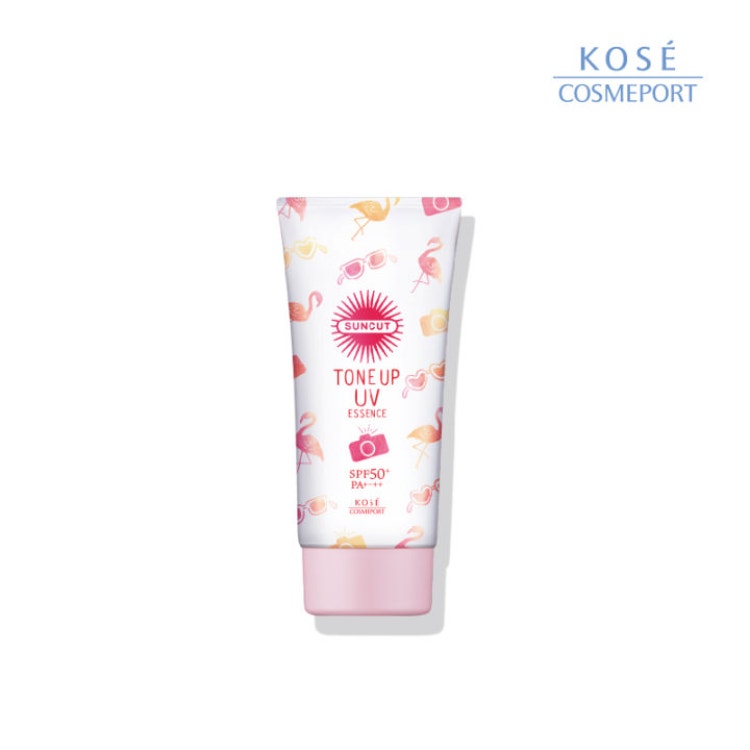
Kose Cosmeport Suncut Tone Up Pink Uv Essence Pa++++ Spf 50+ 80G

Kose Cosmeport Suncut Tone Up Pink Uv Essence Pa++++ Spf 50+ 80G
KOSE
kose-cosmeport-suncut-tone-up-pink-uv-essence-pa-spf-50-80g
Suncare
10084793778469
Morning or Evening?
How often will you use this product?
Notes


Highlights
WHAT IS IT?
Tone up UV essence with SPF 50+ PA++++, 8 ingredients
FEATURES
UV protection, Tone-up pink flamingo color, Naturally enhances complexion, Can be used as makeup base, Waterproof, Suitable for face and body
BEST FOR
sensitive
CHECKS
Does not contain parabens, alcohol, silicones
Who Is It For?
What Does It Help With?
Uv Protection Tone-up Complexion Waterproof UseBudget
Mid-range ($30-$75)How To Use
Which routine should it be used in?
Instructions:
Key Information

What KOSE Says
Product Description:
UV protection! Tone-up UV essence in pink flamingo color that naturally enhances complexion and makes your skin look beautiful. Domestic standard highest value in our company
About the Brand:
Ingredients Overview
Ingredients List
aqua,ethylhexyl-methoxy-cinnamate,alcohol,zinc-oxide,isodeodecane,polysilicone-15,butylene-glycol,diethylamino-hydroxybenzoyl-hexyl-benzoate,polysilicone-15
Key Ingredients
ethylhexyl methoxy cinnamate, zinc oxide, diethylamino hydroxybenzoyl hexyl benzoate
Ingredients Details
Alcohol
Common Name(s): Alcohol,cosmetic active,functional ingredient
CAS Number: N/a
DESCRIPTION
What It Does: Delivers characteristic cosmetic function at recommended use concentration.
Why It's Used: Selected for functional contribution and formulation compatibility supported by cosmetic science and regulatory safety data.
How It Works: Works through the mechanism of its molecular class as documented in peer-reviewed cosmetic literature.
Typically Found In: Skin care formulations
TECHNICAL DETAILS
Primary Category: Active ingredient – cosmetic active
Secondary Functions: Skin conditioning
Application Areas:

Facial Skincare

Body Care
Hair Care
Beard Care
Color Cosmetics (Makeup)
Dietary/Oral Supplements
Typical Concentration Range: 0.1%–10%
SOURCING & ETHICS
Vegan Status: Conditional
Halal Status: Yes
Source Notes: Commercially produced for cosmetic use. verify vegan/halal status with supplier.
SKIN COMPATIBILITY
Irritancy Rating: 1/5 – very low
Comedogenicity Rating: 0/5 – non-comedogenic
Sensitivity Concerns: Well-tolerated by most skin types.
Safe for Sensitive Skin: Yes
SAFETY & COMPATIBILITY
Safety Profile: Good safety profile at recommended concentrations. ewg score: 1–2.
Works Well With: Standard skincare actives
Avoid Combining With: No known significant incompatibilities
SCIENTIFIC NOTE
Alcohol has an established safety profile within the cosmetic regulatory framework at standard use concentrations.
Last Verified: Cosing database,alcohol technical literature
Primary Sources: 2026-03-12
Polysilicone-15
Common Name(s): Parsol slx,dimethicodiethylbenzalmalonate
CAS Number: 207732-84-1
DESCRIPTION
What It Does: Provides photostable uvb protection with silicone skin feel and formulation versatility.
Why It's Used: Premium silicone uvb filter combining photostable uv protection with silicone emollient skin conditioning properties.
How It Works: Malonate chromophore on polydimethylsiloxane backbone absorbs uvb (λmax 312nm). photostable from silicone backbone's photochemical inertness preventing chromophore degradation. silicone backbone provides skin conditioning alongside uv protection.
Typically Found In: Premium european sunscreens,silicone-based uv formulations
TECHNICAL DETAILS
Primary Category: Active ingredient – silicone uv filter
Secondary Functions: Skin conditioning
Application Areas:
Facial Skincare
Body Care
Hair Care
Beard Care
Color Cosmetics (Makeup)
Dietary/Oral Supplements
Typical Concentration Range: Up to 10% (eu)
SOURCING & ETHICS
Vegan Status: Yes – synthetic
Halal Status: Yes
Source Notes: Commercially produced for cosmetic use. verify vegan/halal status with supplier.
SKIN COMPATIBILITY
Irritancy Rating: 1/5 – very low
Comedogenicity Rating: 0/5 – non-comedogenic
Sensitivity Concerns: Well-tolerated by most skin types.
Safe for Sensitive Skin: Yes
SAFETY & COMPATIBILITY
Safety Profile: Eu approved. not fda approved. ewg score: 2.
Works Well With: Standard skincare actives
Avoid Combining With: No known significant incompatibilities
SCIENTIFIC NOTE
Polysilicone-15's photostability from its silicone backbone exemplifies the photochemical principle of chromophore isolation: the si-o backbone absorbs minimal uv and undergoes no photoinduced bond rearrangements, providing an inert molecular scaffold that prevents photodegradation of the attached malonate chromophore — unlike freestanding organic chromophores that can degrade via radical chain reactions.
Last Verified: Cosing database,dsm parsol slx technical data
Primary Sources: 2026-03-12
Polysilicone-15
Common Name(s): Parsol slx,dimethicodiethylbenzalmalonate
CAS Number: 207732-84-1
DESCRIPTION
What It Does: Provides photostable uvb protection with silicone skin feel and formulation versatility.
Why It's Used: Premium silicone uvb filter combining photostable uv protection with silicone emollient skin conditioning properties.
How It Works: Malonate chromophore on polydimethylsiloxane backbone absorbs uvb (λmax 312nm). photostable from silicone backbone's photochemical inertness preventing chromophore degradation. silicone backbone provides skin conditioning alongside uv protection.
Typically Found In: Premium european sunscreens,silicone-based uv formulations
TECHNICAL DETAILS
Primary Category: Active ingredient – silicone uv filter
Secondary Functions: Skin conditioning
Application Areas:
Facial Skincare
Body Care
Hair Care
Beard Care
Color Cosmetics (Makeup)
Dietary/Oral Supplements
Typical Concentration Range: Up to 10% (eu)
SOURCING & ETHICS
Vegan Status: Yes – synthetic
Halal Status: Yes
Source Notes: Commercially produced for cosmetic use. verify vegan/halal status with supplier.
SKIN COMPATIBILITY
Irritancy Rating: 1/5 – very low
Comedogenicity Rating: 0/5 – non-comedogenic
Sensitivity Concerns: Well-tolerated by most skin types.
Safe for Sensitive Skin: Yes
SAFETY & COMPATIBILITY
Safety Profile: Eu approved. not fda approved. ewg score: 2.
Works Well With: Standard skincare actives
Avoid Combining With: No known significant incompatibilities
SCIENTIFIC NOTE
Polysilicone-15's photostability from its silicone backbone exemplifies the photochemical principle of chromophore isolation: the si-o backbone absorbs minimal uv and undergoes no photoinduced bond rearrangements, providing an inert molecular scaffold that prevents photodegradation of the attached malonate chromophore — unlike freestanding organic chromophores that can degrade via radical chain reactions.
Last Verified: Cosing database,dsm parsol slx technical data
Primary Sources: 2026-03-12
