

KRISTIN ESS HAIR
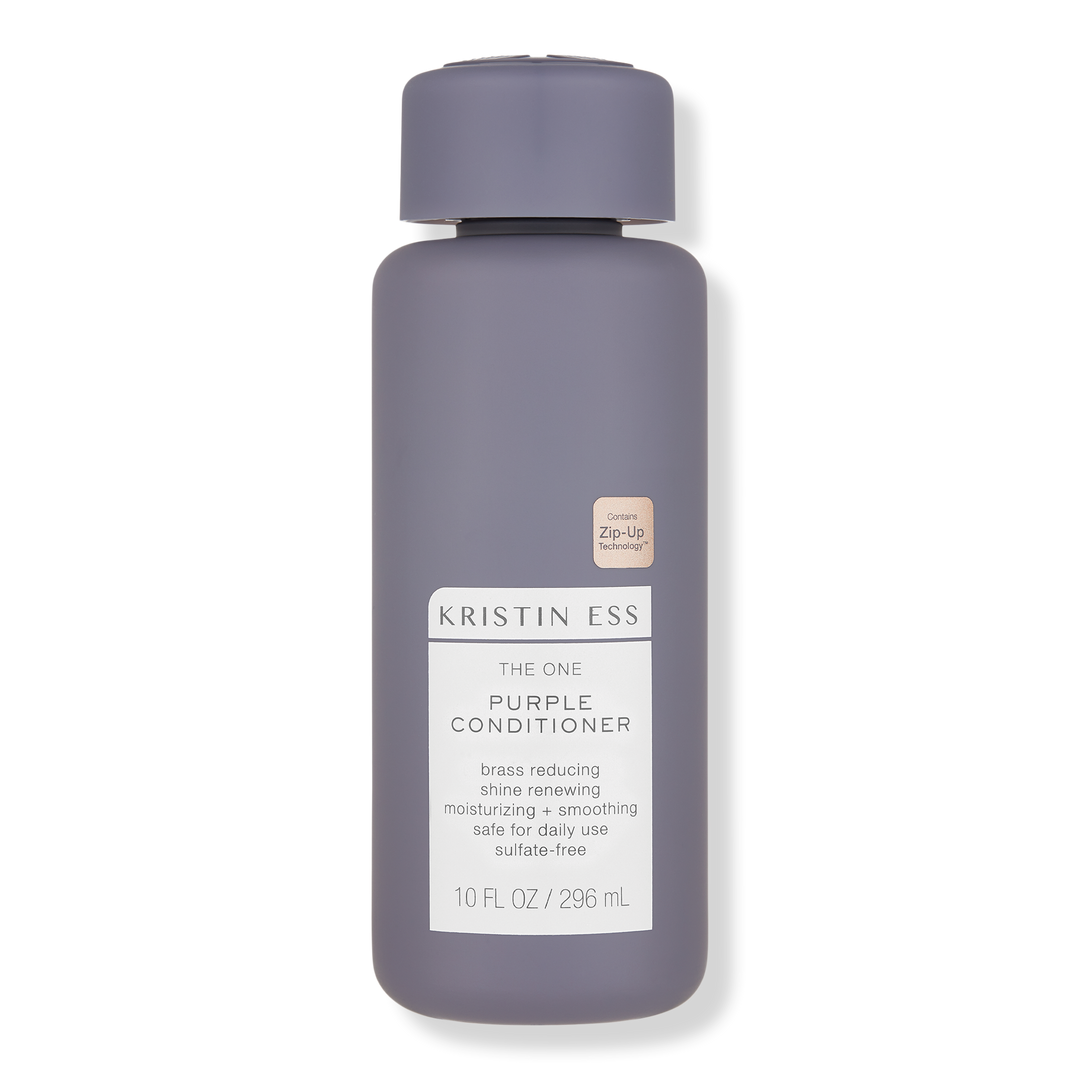
KRISTIN ESS HAIR One Purple Conditioner
The One Purple Conditioner from Kristin Ess Hair reduces brassiness while reviving moisture and enhancing shine on natural or color-treated blondes and brunettes.
Paraben-free
Color-safe
Sulfate-free
Color Fading
Dullness
Fine
Optimized for Your Environment & Lifestyle
Nykaa
In stock
Recommended

KRISTIN ESS HAIR One Purple Conditioner
KRISTIN ESS HAIR
kristin-ess-hair-one-purple-conditioner
Conditioner
10365010575653
Morning or Evening?
How often will you use this product?
Notes


Secure payment protection
Your Biodata Compatibility Analysis
Based on your 6 hair health indices and environmental factors
Poor Match
Significant incompatibilities
Growth Cycle Health Index
Hair Match
Hair Health Index Alignment
Optimal for OSI, SSI, DI, HSI
Ingredient Efficacy
Matching Ingredient Score
Environment Compatibility
Current UV, Air Quality & Humidity
Why This Works for Your Specific Profile
Damage Index:
Healthy to moderately damaged hair experiences over-conditioning or protein overload causing limpness or rigidity
Water Quality:
Fine hair becomes weighed down and greasy from heavy formulation
Hair:
Closed cuticles resist product penetration causing surface buildup without internal benefits
Active Lifestyle:
High activity and frequent washing rapidly strip product benefits requiring excessive reapplication
Your Hair Profile Integration
Your Hair Archetype

Density Level

Washing Frequency

Shedding Level

Oil Level
Your Hair Health Indices
Oil Secretion (OSI)
Very low oil production
Scalp Sensitivity (SSI)
Very low sensitivity
Growth Rate (CMR)
Poor metabolism rate
Damage Index (DI)
Minimal damage
Hair Strength (HSI)
Very weak strength
Softness Index (SI)
Significant improvement needed
Water & Environmental Integration

Water:


Expected Results & Timeline
Key Highlights

What is it?
Conditioner with 35 ingredients

Who Is It For
All ages and genders

Budget
Rs. 1,175.47 - Rs. 2,350.94

Timeline
Immediate reduction in brassiness
Why You’ll Love It

What Does It Help With?
Brassiness, Yellow tones, Dryness, Dullness

Best for
Color Fading

Features
Removes unwanted brass and yellow/warm tones in hair, Shine renewing and moisturizing, Smoothing and instantly softening, Contains Zip-Up Technology: Proprietary strengthening complex designed to 'zip-up' split ends while targeting weak areas of the hair, smoothing the appearance of damaged cuticles, and helping protect hair from environmental stressors and color fade, Cruelty Free, Keratin Safe

Checks
Cruelty Free, Keratin Safe
Ingredients Overview
Ingredients List
Water-Aqua-Eau, Cetearyl-Alcohol, Behentrimonium-Chloride, Cetyl-Alcohol, Fragrance-Parfum, Phenoxyethanol, Glycerin, Cetrimonium-Chloride, Isopropyl-Alcohol, Polyquaternium-37, Guar-Hydroxypropyltrimonium-Chloride, Propylene-Glycol-Dicaprylate-Dicaprate, Silicone-Quaternium-3, Ethylhexylglycerin, Panthenol, Trideceth-12, Ppg-1-Trideceth-6, Cetearamidoethyldiethonium-Succinoyl-Hydrolyzed-Pea-Protein, Hypnea-Musciformis-Extract, Sargassum-Filipendula-Extract, Acrylates-Stearyl-Methacrylate-Copolymer, Caprylic-Capric-Triglyceride, Sodium-Chloride, Sorbitol, Chamomilla-Recutita-Matricaria-Flower-Oil, Helianthus-Annuus-Sunflower-Seed-Oil, Mangifera-Indica-Mango-Seed-Butter, Persea-Gratissima-Avocado-Oil, Ricinus-Communis-Castor-Seed-Oil, Sodium-Hydroxide, Citric-Acid, Coco-Glucoside, Sorbitan-Oleate, Gelidiella-Acerosa-Extract, Algin, Carrageenan, Chitosan, Xanthan-Gum, Ext.-Violet-2-Ci-60730
Key Ingredients
Cetearamidoethyldiethonium-Succinoyl-Hydrolyzed-Pea-Protein, Hypnea-Musciformis-Extract, Sargassum-Filipendula-Extract, Chamomilla-Recutita-Matricaria-Flower-Oil, Helianthus-Annuus-Sunflower-Seed-Oil, Mangifera-Indica-Mango-Seed-Butter, Persea-Gratissima-Avocado-Oil, Ricinus-Communis-Castor-Seed-Oil
Ingredients Details
Algin
Common Name(s): Algin,cosmetic active,functional ingredient
CAS Number: N/a
DESCRIPTION
What It Does: Delivers characteristic cosmetic function at recommended use concentration.
Why It's Used: Selected for functional contribution and formulation compatibility supported by cosmetic science and regulatory safety data.
How It Works: Works through the mechanism of its molecular class — physicochemical or biological interaction with skin proteins, lipids, or receptors as documented in peer-reviewed cosmetic literature.
Typically Found In: Skin care formulations
TECHNICAL DETAILS
Primary Category: Active ingredient – cosmetic active
Secondary Functions: Skin conditioning
Application Areas:

Facial Skincare

Body Care
Hair Care
Beard Care
Color Cosmetics (Makeup)
Dietary/Oral Supplements
Typical Concentration Range: 0.1%–10%
SOURCING & ETHICS
Vegan Status: Conditional
Halal Status: Yes
Source Notes: Commercially produced for cosmetic use. verify vegan/halal status with supplier.
SKIN COMPATIBILITY
Irritancy Rating: 1/5 – very low
Comedogenicity Rating: 0/5 – non-comedogenic
Sensitivity Concerns: Well-tolerated by most skin types.
Safe for Sensitive Skin: Yes
SAFETY & COMPATIBILITY
Safety Profile: Good safety profile at recommended concentrations. ewg score: 1–2.
Works Well With: Standard skincare actives
Avoid Combining With: No known significant incompatibilities
SCIENTIFIC NOTE
Algin has an established safety and efficacy profile within the cosmetic regulatory framework at standard use concentrations.
Last Verified: Cosing database,algin technical literature
Primary Sources: 2026-03-12
Carrageenan
Common Name(s): Irish moss extract,chondrus crispus extract,kappa/iota/lambda carrageenan
DESCRIPTION
What It Does: Provides natural marine seaweed gellation and thickening with moisturizing sulfated polysaccharide conditioning.
Why It's Used: Marine natural thickener and gellant for seaweed-inspired formulations with moisturizing sulfated polysaccharide activity.
How It Works: Sulfated galactan helical coils form ionic junction zones with potassium (kappa), calcium (iota), or none (lambda) providing different gel textures. iota-carrageenan forms elastic, non-syneretic gels preferred for cosmetics. sulfate groups provide ha-like moisture retention.
Typically Found In: Natural gels,marine skincare,moisturizing masks
TECHNICAL DETAILS
Primary Category: Functional ingredient – seaweed polysaccharide gellant
Secondary Functions: Tewl reduction,skin plumping
Application Areas:
Facial Skincare
Body Care
Hair Care
Beard Care
Color Cosmetics (Makeup)
Dietary/Oral Supplements
Typical Concentration Range: 0.1%–2%
SOURCING & ETHICS
Vegan Status: Yes – from red seaweed
Halal Status: Yes
Source Notes: Synthetic or naturally derived. excellent aqueous solubility.
SKIN COMPATIBILITY
Irritancy Rating: 1/5 – very low
Comedogenicity Rating: 0/5 – non-comedogenic
Sensitivity Concerns: Non-irritating; suitable for all skin types.
Safe for Sensitive Skin: Yes
SAFETY & COMPATIBILITY
Safety Profile: Excellent safety profile. ewg score: 1.
Works Well With: Ceramides,emollients,occlusives,glycerin,hyaluronic acid
Avoid Combining With: No significant incompatibilities
SCIENTIFIC NOTE
Iota-carrageenan's gel mechanism requires calcium ion cross-linking (vs kappa-carrageenan's potassium requirement). this calcium dependency means iota carrageenan gels are skin-compatible (skin's natural calcium levels provide gel-triggering) and provides a unique 'skin-responsive gellation' where the natural calcium in sweat and skin surface triggers in-situ gel formation on application.
Last Verified: Cosing database,cir safety assessment
Primary Sources: 2026-03-12
Chitosan
Common Name(s): Chitosan,deacetylated chitin biopolymer,cationic film-former
CAS Number: N/a
DESCRIPTION
What It Does: Forms a substantive cationic film on skin and hair through electrostatic attraction to negative surfaces, provides antimicrobial activity against gram-positive bacteria and fungi, and promotes wound healing via keratinocyte and fibroblast stimulation.
Why It's Used: The only natural cationic biopolymer from shellfish providing simultaneous substantive deposition and antimicrobial activity — preferred over synthetic quats for clean-label hair and skin conditioning.
How It Works: Protonated amine groups (pka ~6.5) in chitosan electrostatically bind hair cuticle and skin corneocytes (net negative charge at ph >5.5), depositing a film that reduces friction and provides conditioning. cationic character disrupts bacterial membranes providing antimicrobial activity.
Typically Found In: Hair conditioning,wound care,film-forming
TECHNICAL DETAILS
Primary Category: Active ingredient – cosmetic active
Secondary Functions: Skin conditioning
Application Areas:
Facial Skincare
Body Care
Hair Care
Beard Care
Color Cosmetics (Makeup)
Dietary/Oral Supplements
Typical Concentration Range: 0.1%–3%
SOURCING & ETHICS
Vegan Status: No – shellfish
Halal Status: Conditional
Source Notes: Commercially produced for cosmetic use. verify vegan/halal status with supplier.
SKIN COMPATIBILITY
Irritancy Rating: 1/5 – very low
Comedogenicity Rating: 0/5 – non-comedogenic
Sensitivity Concerns: Well-tolerated by most skin types.
Safe for Sensitive Skin: Yes
SAFETY & COMPATIBILITY
Safety Profile: Good safety profile at recommended concentrations. ewg score: 1–2.
Works Well With: Standard skincare actives
Avoid Combining With: No known significant incompatibilities
SCIENTIFIC NOTE
Chitosan's partial structural identity with hyaluronic acid (shared n-acetylglucosamine backbone) provides biocompatibility with skin extracellular matrix proteins and partial cross-reactivity with cd44 hyaluronan receptors.
Last Verified: Cosing database,chitosan cationic biopolymer conditioning review
Primary Sources: 2026-03-12
Coco-glucoside
Common Name(s): Coconut glucoside,apg c8-c16
CAS Number: 68515-73-1
DESCRIPTION
What It Does: Provides gentle, natural-origin cleansing with good foam from mixed coconut chain alkyl glucosides.
Why It's Used: Widely used natural surfactant for green beauty formulations requiring good foam performance with natural-origin and mild credentials.
How It Works: Mixed c8-c16 fatty alcohol chain lengths from coconut provide broader foam stability than single-chain glucosides. non-ionic glucoside headgroup provides mildness. better detergency and rinsing than individual chain-length apgs due to mixed chain distribution.
Typically Found In: Natural shampoos,body washes,facial cleansers
TECHNICAL DETAILS
Primary Category: Functional ingredient – coconut alkyl glucoside
Secondary Functions: Skin conditioning
Application Areas:
Facial Skincare
Body Care
Hair Care
Beard Care
Color Cosmetics (Makeup)
Dietary/Oral Supplements
Typical Concentration Range: 2%–20%
SOURCING & ETHICS
Vegan Status: Yes – from coconut fatty alcohols and glucose
Halal Status: Yes
Source Notes: Commercially produced for cosmetic use. verify vegan/halal status with supplier.
SKIN COMPATIBILITY
Irritancy Rating: 1/5 – very low
Comedogenicity Rating: 0/5 – non-comedogenic
Sensitivity Concerns: Well-tolerated by most skin types.
Safe for Sensitive Skin: Yes
SAFETY & COMPATIBILITY
Safety Profile: Good safety profile at recommended concentrations. ewg score: 1–2.
Works Well With: Standard skincare actives
Avoid Combining With: No known significant incompatibilities
SCIENTIFIC NOTE
Coco-glucoside's natural chain length distribution (c8-c16) provides synergistic surfactant effects where different chain lengths optimize different properties: shorter chains provide initial foam burst, longer chains provide foam stability and soil removal, creating better overall performance than any single chain length alone.
Last Verified: Cosing database,cir safety assessment
Primary Sources: 2026-03-12
Personalized Usage Instructions
How to Use
Step 1
After shampooing and rinsing, depending on the thickness of your hair, squeeze a dime to quarter-sized amount into your palm
Step 2
Apply to wet hair starting at the ends and working your way up to the top, avoiding the last inch or two near the root
Step 3
Wait 3 minutes, then rinse thoroughly
Medical Chemicals

Protein/Moisture
- Protein/Moisture balance
pH Level
- Acidic

Porosity Taget
- High Porosity
Customized for Your Profile
Scalp Condtions
Sensitive Scalp, pH Balanced
Climate Suitability
Humid, Dry, Hard Water, Soft Water, UV Protection, Pollution Shield, Winter, Summer
Clinical Claims
Frequency
After shampooing and rinsing, depending on the thickness of your hair, squeeze a dime to quarter-sized amount into your palm. Apply to wet hair starting at the ends and working your way up to the top, avoiding the last inch or two near the root. Wait 3 minutes, then rinse thoroughly.
Product Information

Cruelty Free
Keratin Safe
