

L'anza
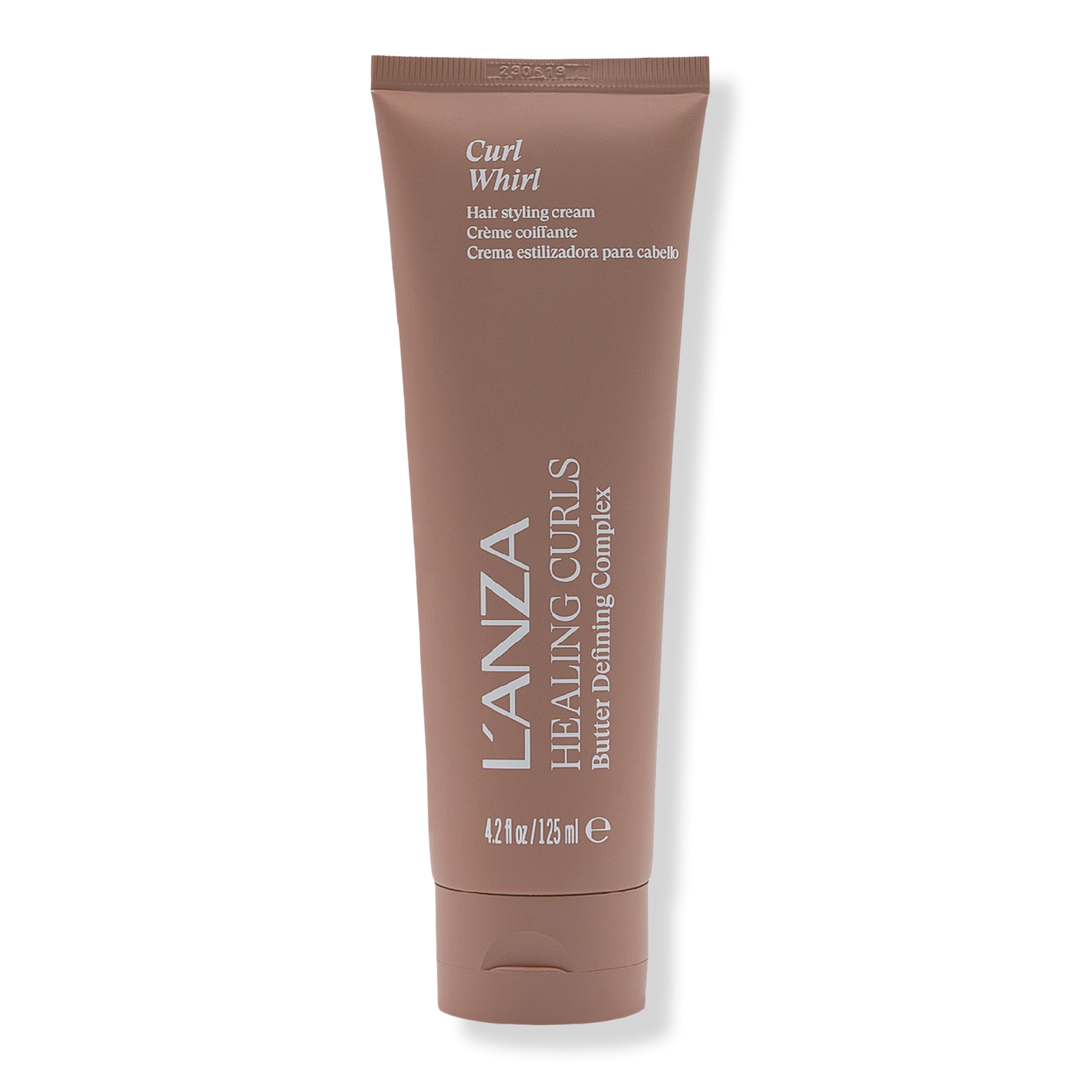
L'anza Healing Curls Curl Whirl
L'ANZA's Healing Curls Curl Whirl is a lightweight styling cream that defines and hydrates curls. Infused with moisturizing plant butters, it enhances waves, tames frizz, and provides soft, flexible hold for lasting definition.
Sulfate-free
Paraben-free
Gluten-free
Frizz
Dryness
Curly
Optimized for Your Environment & Lifestyle
Nykaa
In stock
Recommended

L'anza Healing Curls Curl Whirl
L'anza
lanza-healing-curls-curl-whirl
Styling Cream
10355436716325
Morning or Evening?
How often will you use this product?
Notes


Secure payment protection
Your Biodata Compatibility Analysis
Based on your 6 hair health indices and environmental factors
Poor Match
Significant incompatibilities
Growth Cycle Health Index
Hair Match
Hair Health Index Alignment
Optimal for OSI, SSI, DI, HSI
Ingredient Efficacy
Matching Ingredient Score
Environment Compatibility
Current UV, Air Quality & Humidity
Why This Works for Your Specific Profile
Damage Index:
Damage levels outside specified range may not benefit optimally from product formulation
Water Quality:
Straight to wavy hair lacks curl structure becoming weighed down without curl definition benefits
Hair:
Closed to moderately open cuticles limit product penetration causing surface buildup or inadequate absorption
Active Lifestyle:
High activity and frequent washing rapidly strip product benefits requiring excessive reapplication
Your Hair Profile Integration
Your Hair Archetype

Density Level

Washing Frequency

Shedding Level

Oil Level
Your Hair Health Indices
Oil Secretion (OSI)
Very low oil production
Scalp Sensitivity (SSI)
Very low sensitivity
Growth Rate (CMR)
Poor metabolism rate
Damage Index (DI)
Minimal damage
Hair Strength (HSI)
Very weak strength
Softness Index (SI)
Significant improvement needed
Water & Environmental Integration

Water:


Expected Results & Timeline
Key Highlights

What is it?
Styling cream with multiple ingredients

Who Is It For
Adults, All Genders

Budget
Rs. 3,330.50 - Rs. 6,661.00

Timeline
Immediate
Why You’ll Love It

What Does It Help With?
Frizz, Dryness

Best for
Curly, Wavy hair types

Features
Defines curls while providing a soft, pliable hold; Hydrates and moisturizes dry curls; Tames frizz and flyaways

Checks
Cruelty Free, Sustainable Packaging, Give Back
Ingredients Overview
Ingredients List
water-aqua, ethylhexyl-olivate, glyceryl-stearate, glycerin, pyrus-malus-apple-fruit-extract, cetearyl-alcohol, sodium-stearoyl-lactylate, polyquaternium-69, hydrolyzed-pea-protein, hydrolyzed-vegetable-protein, mangifera-indica-mango-seed-butter, theobroma-grandiflorum-seed-butter, moringa-oil-hydrogenated-moringa-oil-esters, cysteine, silybum-marianum-extract, helianthus-annuus-sunflower-seed-oil, helianthus-annuus-sunflower-seed-extract, opuntia-vulgaris-extract, rosmarinus-officinalis-rosemary-leaf-extract, oryza-sativa-rice-bran-extract, dimethiconol-meadowfoamate, sodium-pca, magnesium-pca, zinc-pca, manganese-pca, phenoxyethanol, ammonium-polyacryloyldimethyl-taurate, dimethicone, squalane, cetyl-hydroxyethylcellulose, caprylyl-glycol, polyquaternium-73, tetrasodium-glutamate-diacetate, ethylhexylglycerin, potassium-sorbate, sodium-benzoate, tocopherol, hexylene-glycol, butylene-glycol, alcohol-denat, sodium-hydroxide, maltodextrin-vp-copolymer, pvp, disodium-phosphate, hydrated-silica, silica-dimethyl-silylate, sodium-phosphate, polysilicone-15, citric-acid, fragrance-parfum, limonene
Key Ingredients
butter-defining-complex, hydrolyzed-pea-protein, hydrolyzed-vegetable-protein, mangifera-indica-mango-seed-butter, theobroma-grandiflorum-seed-butter, moringa-oil-hydrogenated-moringa-oil-esters
Ingredients Details
Cysteine
Common Name(s): L-cysteine,2-amino-3-mercaptopropanoic acid
CAS Number: 52-90-4
DESCRIPTION
What It Does: Provides sulfur for keratin disulfide bonds, supports glutathione antioxidant synthesis, and directly scavenges free radicals.
Why It's Used: Hair strengthening via keratin disulfide bond support and antioxidant defense as a glutathione precursor.
How It Works: Thiol group (-sh) forms disulfide bonds (-s-s-) between adjacent keratin chains providing mechanical strength to hair and nails. glutathione synthase uses cysteine as the rate-limiting substrate for the master antioxidant glutathione.
Typically Found In: Hair strengthening treatments,keratin products,antioxidant formulations
TECHNICAL DETAILS
Primary Category: Active ingredient – amino acid
Secondary Functions: Keratin disulfide bond,glutathione precursor
Application Areas:

Facial Skincare

Body Care
Hair Care
Beard Care
Color Cosmetics (Makeup)
Dietary/Oral Supplements
Typical Concentration Range: 0.1%–2%
SOURCING & ETHICS
Vegan Status: Yes – plant-derived or synthetic
Halal Status: Yes
Source Notes: Fermentation-derived or synthetic. natural skin component.
SKIN COMPATIBILITY
Irritancy Rating: 1/5 – very low
Comedogenicity Rating: 0/5 – non-comedogenic
Sensitivity Concerns: Non-irritating; endogenous skin molecule.
Safe for Sensitive Skin: Yes
SAFETY & COMPATIBILITY
Safety Profile: Excellent safety profile. natural skin nmf component. ewg score: 1.
Works Well With: Hyaluronic acid,ceramides,peptides,other amino acids
Avoid Combining With: No significant incompatibilities
SCIENTIFIC NOTE
Hair's mechanical strength (tensile and torsional) is primarily determined by the density of disulfide crosslinks between adjacent keratin alpha-helices. chemical treatments (bleaching, perming) break these bonds; cysteine topical application may support their restoration.
Last Verified: Cosing database,cir safety assessment,keratin chemistry literature
Primary Sources: 2026-03-12
Dimethicone
Common Name(s): Pdms,polydimethylsiloxane,silicone fluid
CAS Number: 9006-65-9
DESCRIPTION
What It Does: Provides silicone-characteristic silky feel and skin protection with adjustable viscosity.
Why It's Used: The benchmark cosmetic silicone – sets the gold standard for silky application feel, spreadability, and skin protection in virtually all skin care categories.
How It Works: Polydimethylsiloxane chain flexibility provides extremely low surface tension and high spreadability. inert si-o backbone provides chemical stability and excellent skin tolerance. occlusive film formation reduces tewl. higher viscosity grades provide more intense conditioning.
Typically Found In: Moisturizers,foundations,primers,sunscreens – nearly universal
TECHNICAL DETAILS
Primary Category: Functional ingredient – polydimethylsiloxane
Secondary Functions: Barrier sealing,softening
Application Areas:
Facial Skincare
Body Care
Hair Care
Beard Care
Color Cosmetics (Makeup)
Dietary/Oral Supplements
Typical Concentration Range: 0.1%–30%
SOURCING & ETHICS
Vegan Status: Yes – synthetic
Halal Status: Yes
Source Notes: Plant-derived, synthetic or animal-derived. verify source.
SKIN COMPATIBILITY
Irritancy Rating: 1/5 – very low
Comedogenicity Rating: 1/5 – low; formulation-dependent
Sensitivity Concerns: Non-irritating.
Safe for Sensitive Skin: Yes
SAFETY & COMPATIBILITY
Safety Profile: Excellent safety profile. ewg score: 1.
Works Well With: Humectants,ceramides,actives as carrier
Avoid Combining With: No significant incompatibilities
SCIENTIFIC NOTE
Dimethicone's exceptional silky feel arises from its very low intermolecular attractive forces (weak van der waals forces due to non-polar methyl groups) that allow silicone chains to slide freely over skin. the coefficient of kinetic friction for pdms against skin (~0.04) is among the lowest of any cosmetic material – explaining why even small amounts transform product feel.
Last Verified: Cosing database,cir safety assessment
Primary Sources: 2026-03-12
Ethylhexylglycerin
Common Name(s): Octylglycerin,2-ethylhexyl glycerol ether,sensiva sc 10
CAS Number: 70445-33-9
DESCRIPTION
What It Does: Provides antimicrobial skin conditioning with deodorant activity and preservation system enhancement.
Why It's Used: Multifunctional clean beauty preservation active — ethylhexylglycerin provides antimicrobial, deodorant, and skin conditioning in a single ingredient accepted in most natural cosmetic certification schemes.
How It Works: Glycerol ether provides antimicrobial via bacterial membrane phospholipid disruption. deodorant activity via reduction of underarm lipase enzyme activity (similar mechanism to triethyl citrate). skin conditioning from glycerol humectant component. synergistic with phenoxyethanol and diols.
Typically Found In: Natural preservation systems,deodorants,skin conditioning products
TECHNICAL DETAILS
Primary Category: Functional ingredient – antimicrobial glycerol ether
Secondary Functions: Skin conditioning
Application Areas:
Facial Skincare
Body Care
Hair Care
Beard Care
Color Cosmetics (Makeup)
Dietary/Oral Supplements
Typical Concentration Range: 0.1%–0.5%
SOURCING & ETHICS
Vegan Status: Yes – synthetic
Halal Status: Yes
Source Notes: Commercially produced for cosmetic use. verify vegan/halal status with supplier.
SKIN COMPATIBILITY
Irritancy Rating: 1/5 – very low
Comedogenicity Rating: 0/5 – non-comedogenic
Sensitivity Concerns: Well-tolerated by most skin types.
Safe for Sensitive Skin: Yes
SAFETY & COMPATIBILITY
Safety Profile: Good safety profile at recommended concentrations. ewg score: 1–2.
Works Well With: Standard skincare actives
Avoid Combining With: No known significant incompatibilities
SCIENTIFIC NOTE
Ethylhexylglycerin's deodorant mechanism is pharmacologically identical to triethyl citrate: both inhibit skin surface microbial lipase enzymes that convert odourless triglycerides to odorous free fatty acids. the glycerol ether structure of ethylhexylglycerin, combined with the 2-ethylhexyl chain, provides lipase inhibition similar to ester-based lipase inhibitors from a different chemical class.
Last Verified: Cosing database,schülke sensiva sc 10 technical data,cir safety assessment
Primary Sources: 2026-03-12
Glycerin
Common Name(s): Glycerol,glycerine,1,2,3-propanetriol
CAS Number: 56-81-5
DESCRIPTION
What It Does: Glycerin pulls water from the environment and deeper skin layers into the outer skin layer (epidermis), boosting moisture levels and keeping skin soft, smooth, and plump.
Why It's Used: It is used in virtually every moisturizer, serum, and cleanser because it is highly effective at hydrating skin, is well-tolerated by all skin types, and enhances the texture and spreadability of formulations.
How It Works: As a humectant, glycerin forms hydrogen bonds with water molecules, trapping them in the skin. it also reinforces the skin barrier by integrating into lipid structures between skin cells.
Typically Found In: Moisturizers,serums,cleansers,toners,sheet masks,sunscreens,body lotions,shampoos,conditioners
TECHNICAL DETAILS
Primary Category: Humectant
Secondary Functions: Skin barrier support,emollient,solvent
Application Areas:
Facial Skincare
Body Care
Hair Care
Beard Care
Color Cosmetics (Makeup)
Dietary/Oral Supplements
Typical Concentration Range: 1%–30% (typical: 3–10%)
SOURCING & ETHICS
Vegan Status: Yes – plant-derived (coconut, soy, palm) or synthetic
Halal Status: Yes – when plant-derived or synthetic; verify source with supplier
Source Notes: Derived from plant oils via hydrolysis or saponification; synthetic versions also available. palm-derived glycerin carries sustainability concerns.
SKIN COMPATIBILITY
Irritancy Rating: 1/5 – very low; non-irritating at all standard concentrations
Comedogenicity Rating: 0/5 – non-comedogenic
Sensitivity Concerns: Extremely rare allergic reactions; generally safe for all skin types including sensitive and baby skin
Safe for Sensitive Skin: Yes
SAFETY & COMPATIBILITY
Safety Profile: Widely recognized as safe. ewg hazard score: 1. no significant concerns for irritation, sensitization, or toxicity at typical concentrations (up to 50%).
Works Well With: Hyaluronic acid,ceramides,niacinamide,panthenol,urea,peptides,retinol,ahas/bhas
Avoid Combining With: No known incompatibilities at standard concentrations
SCIENTIFIC NOTE
Glycerin is an endogenous skin component found naturally in the stratum corneum. aquaporin-3 channels in keratinocytes facilitate glycerin transport, making it integral to natural skin hydration pathways.
Last Verified: Cosing database,cir safety assessment,ewg skin deep,inci decoder
Primary Sources: 2026-03-12
Personalized Usage Instructions
How to Use
Step 1
Apply to damp hair and leave in
Step 2
Diffuse or style as desired
Medical Chemicals

Protein/Moisture
- Protein/Moisture balance
pH Level
- Acidic

Porosity Taget
- Normal Porosity
Customized for Your Profile
Scalp Condtions
Sensitive Scalp
Climate Suitability
Humid, Dry
Clinical Claims
Frequency
Apply to damp hair and leave in. Diffuse or style as desired.
Product Information

Cruelty Free
Sustainable Packaging
Give Back
