

Lotus Herbals
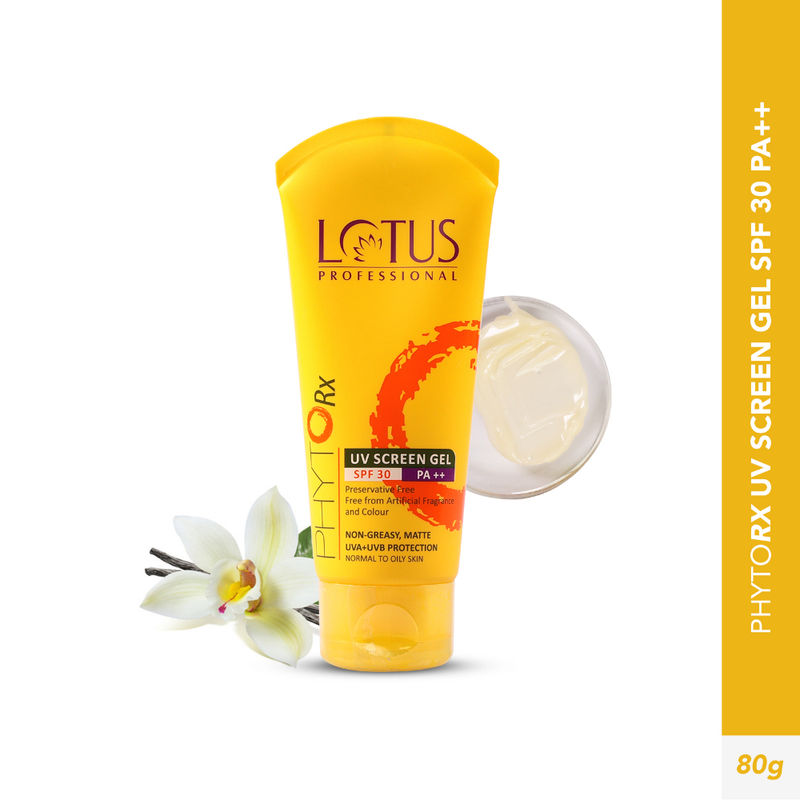
Lotus Professional Phyto-Rx UV Screen Gel SPF 30 PA++

Lotus Professional Phyto-Rx UV Screen Gel SPF 30 PA++
Lotus Herbals
lotus-professional-phyto-rx-uv-screen-gel-spf-30-pa
Suncare
10085487378725
Morning or Evening?
How often will you use this product?
Notes


Highlights
WHAT IS IT?
Face Sunscreen Gel with botanical extracts
FEATURES
Oil-free, daily protection against UVA & UVB rays, preservative-free, non-greasy, smooth application, shine-free matte finish
BEST FOR
oily
CHECKS
No chemical preservatives, No artificial fragrance, No artificial colour
Who Is It For?
What Does It Help With?
Skin Tanning Sunburn Premature Skin Aging Skin DamageBudget
Mid-range ($30-$75)How To Use
Which routine should it be used in?
Instructions:
Key Information


What Lotus Herbals Says
Product Description:
An oil-free daily protector against UVA & UVB rays. UV rays cause skin tanning, sunburn and premature aging of the skin apart from other forms of skin damage. This innovative preservative-free and non-greasy formulation spreads smoothly on the skin and gives a shine-free matte finish.
About the Brand:
Ingredients Overview
Ingredients List
comfrey-extract,vanilla-extract
Key Ingredients
Comfrey Extract,Vanilla Extract
Ingredients Details
Comfrey Extract
Common Name(s): Comfrey root extract,knitbone,allantoin source herb
CAS Number: 84776-26-1
DESCRIPTION
What It Does: Provides allantoin wound healing and rosmarinic acid anti-inflammatory activity from comfrey root.
Why It's Used: The original allantoin source herb – comfrey's wound healing reputation is directly linked to its high allantoin content, providing the traditional botanical context for allantoin's modern cosmetic use.
How It Works: Allantoin (see dedicated entry) provides keratinocyte proliferation-stimulating wound healing. rosmarinic acid inhibits cox and lox for anti-inflammatory activity. tannins provide astringent wound-sealing activity.
Typically Found In: Wound healing products,soothing formulas,traditional herbal skincare
TECHNICAL DETAILS
Primary Category: Active ingredient – soothing / anti-inflammatory
Secondary Functions: Redness reduction,anti-inflammatory,calming
Application Areas:

Facial Skincare
Body Care

Hair Care
Beard Care
Color Cosmetics (Makeup)
Dietary/Oral Supplements
Typical Concentration Range: 0.1%–5%
SOURCING & ETHICS
Vegan Status: Conditional - supplier confirmation required
Halal Status: Unverified - supplier confirmation required
Source Notes: Pa (pyrrolizidine alkaloid)-free certified extracts recommended for cosmetic use. topical use has excellent safety record when pa content is controlled. [audit 2026-07-29 rev2: the record's own source_notes does not assert a non-animal origin, or instructs the reader to verify with the supplier; "yes" asserts knowledge the record does not hold. determination requires shariah-panel sign-off.]
SKIN COMPATIBILITY
Irritancy Rating: 1/5 – very low
Comedogenicity Rating: 0/5 – non-comedogenic
Sensitivity Concerns: Non-irritating; ideal for reactive and sensitive skin.
Safe for Sensitive Skin: Yes – particularly recommended for sensitive skin
SAFETY & COMPATIBILITY
Safety Profile: Eu regulation: comfrey preparations should be standardized to contain maximum 0.35μg/day pyrrolizidine alkaloid (pa) dose. pa-free comfrey root extracts are available and preferred. internal use contraindicated (pa liver toxicity).
Works Well With: Ceramides,panthenol,allantoin,hyaluronic acid,centella asiatica
Avoid Combining With: No significant incompatibilities
SCIENTIFIC NOTE
Comfrey's historical name 'knitbone' directly reflects its wound healing reputation, which was so well-established in european traditional medicine that it was literally named for bone-knitting (fracture healing) activity – a result of allantoin-mediated tissue regeneration. the modern cosmetic allantoin market originated from the isolation of this compound from comfrey root, establishing the plant as allantoin's 'botanical birthplace'.
Last Verified: 2026-03-12
Primary Sources: Cosing database,staiger comfrey review,eu pyrrolizidine alkaloid guidance