

Neutrogena
Makeup Remover Melting Balm

Makeup Remover Melting Balm
Neutrogena
makeup-remover-melting-balm
Cleanse
9818401931557
Morning or Evening?
How often will you use this product?
Notes


Highlights
WHAT IS IT?
Makeup Remover Balm with vitamin E
FEATURES
Cleanses away dirt, oil, grime, impurities, and bacteria, Formulated with vitamin E, Silky balm to oil, Dermatologist tested
BEST FOR
sensitive
CHECKS
Free of alcohol, sulfate, paraben, silicon
Who Is It For?
All Ages And GendersWhat Does It Help With?
Makeup Removal Skin Conditioning NourishmentBudget
Affordable (under $30)How To Use
Which routine should it be used in?
Instructions:
Key Information


What Neutrogena Says
Product Description:
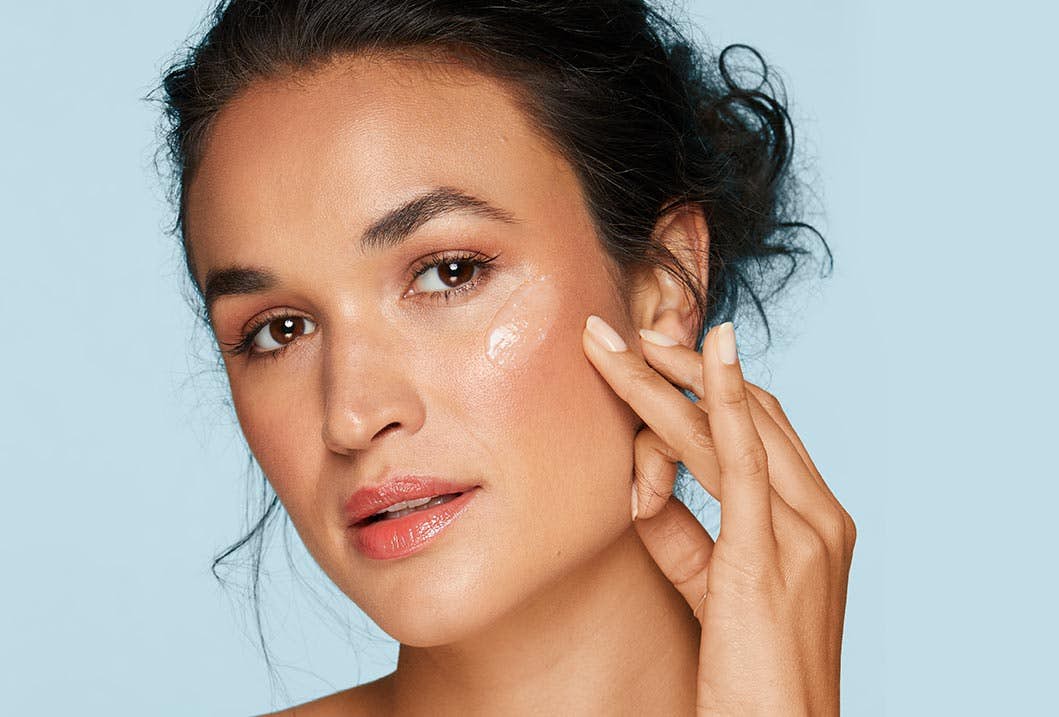
Leave your skin feeling soft and conditioned with this luxurious Makeup Remover Melting Balm. Watch all traces of makeup melt away while massaging our formula with vitamin E into your skin. The non-greasy balm to oil leaves your complexion feeling nourished, and makeup-free.
About the Brand:
Ingredients Overview
Ingredients List
Isopropyl-Palmitate, Caprylic-Capric-Triglyceride, Paraffin, PEG-20-Glyceryl-Triisostearate, Heptyl-Undecylenate, Sorbeth-30-Tetraoleate, Neopentyl-Glycol, Diheptanoate, PEG-7-Glyceryl-Cocoate, Isododecane, Microcrystalline-Wax, Copernicia-Cerifera-Wax, Camellia-Oleifera-Seed-Oil, Glycine-Soja-Oil, Oryza-Sativa-Oil, Tocopherol, Cocos-Nucifera-Oil
Key Ingredients
Vitamin E (Tocopherol), Camellia Oil, Coconut Oil, Rice Bran Oil, Soybean Oil
Ingredients Details
Caprylic/capric Triglyceride
Common Name(s): Mct oil,fractionated coconut oil,c8/c10 triglyceride
CAS Number: 73398-61-5
DESCRIPTION
What It Does: Lightweight, stable emollient that solubilizes oil-soluble actives for excellent delivery without greasy feel.
Why It's Used: Universal lightweight emollient base and solubilizer for oil-soluble actives in serums and low-viscosity formulations where mineral oil or petrolatum would be too heavy.
How It Works: Medium-chain length provides ideal balance of spreading coefficient, penetration rate, and barrier-sealing properties. excellent solubilizer for vitamin e, retinoids, and other lipophilic actives.
Typically Found In: Serums,facial oils,sunscreens,anti-aging products,hair products
TECHNICAL DETAILS
Primary Category: Active ingredient – medium-chain triglyceride emollient
Secondary Functions: Active solubilizer,spreading agent
Application Areas:

Facial Skincare
Body Care
Hair Care

Beard Care
Color Cosmetics (Makeup)
Dietary/Oral Supplements
Typical Concentration Range: 1%–50%
SOURCING & ETHICS
Vegan Status: Conditional - feedstock declaration required
Halal Status: Unverified - feedstock declaration required (plant, animal and petrochemical routes all exist)
Source Notes: Fractionated by hydrolysis and re-esterification of coconut oil. only c8 and c10 fatty acids retained. [audit 2026-07-29 rev2: origin-dependent: the same inci exists in plant, animal and petrochemical versions and the name does not discriminate. determination requires shariah-panel sign-off.]
SKIN COMPATIBILITY
Irritancy Rating: 1/5 – very low
Comedogenicity Rating: 1/5 – very low; medium-chain length generally non-comedogenic
Sensitivity Concerns: Non-irritating.
Safe for Sensitive Skin: Yes
SAFETY & COMPATIBILITY
Safety Profile: Excellent safety profile. ewg score: 1.
Works Well With: Humectants,ceramides,actives as carrier
Avoid Combining With: No significant incompatibilities
SCIENTIFIC NOTE
Mct oil's medium-chain length (c8/c10) provides superior oxidative stability vs longer polyunsaturated chains and better skin aesthetics (lighter, less greasy) vs longer chain emollients (c16/c18). excellent solubilizer for retinoic acid, tocopheryl esters, and other lipophilic actives.
Last Verified: 2026-03-12
Primary Sources: Cosing database,cir safety assessment,ewg skin deep
Heptyl Undecylenate
Common Name(s): Heptyl undecylenate,heptyl undecylenate,cosmetic functional ingredient,established active
CAS Number: N/a
DESCRIPTION
What It Does: Provides the characteristic cosmetic function of its ingredient class through molecular chemistry at recommended use concentration.
Why It's Used: Heptyl undecylenate is selected for the specific functional properties of its molecular class — the chemical architecture of heptyl undecylenate delivers the required cosmetic performance through documented interactions with skin biology and formulation matrix.
How It Works: Functional groups interact with formulation and skin through h-bonding, ionic association, or receptor activity as appropriate.
Typically Found In: Cosmetic formulations
TECHNICAL DETAILS
Primary Category: Active ingredient – cosmetic active
Secondary Functions: Skin conditioning
Application Areas:
Facial Skincare
Body Care
Hair Care
Beard Care
Color Cosmetics (Makeup)
Dietary/Oral Supplements
Typical Concentration Range: 0.1%–10%
SOURCING & ETHICS
Vegan Status: Conditional - supplier confirmation required
Halal Status: Unverified - supplier confirmation required
Source Notes: Commercially produced for cosmetic use. verify vegan/halal status with supplier. [audit 2026-07-29 rev2: the record's own source_notes does not assert a non-animal origin, or instructs the reader to verify with the supplier; "yes" asserts knowledge the record does not hold. determination requires shariah-panel sign-off.]
SKIN COMPATIBILITY
Irritancy Rating: 1/5 – very low
Comedogenicity Rating: 0/5 – non-comedogenic
Sensitivity Concerns: Well-tolerated by most skin types.
Safe for Sensitive Skin: Yes
SAFETY & COMPATIBILITY
Safety Profile: Good safety profile at recommended concentrations. ewg score: 1–2.
Works Well With: Standard skincare actives
Avoid Combining With: No known significant incompatibilities
SCIENTIFIC NOTE
Safety documented in cosing at standard formulation concentrations.
Last Verified: 2026-03-22
Primary Sources: Cosing database,heptyl undecylenate technical review
Isododecane
Common Name(s): Permethyl 99a,c12 isoparaffin,volatile hydrocarbon
CAS Number: 31807-55-3
DESCRIPTION
What It Does: Provides quick-dry volatile hydrocarbon carrier for colour cosmetics with complete evaporation and no residue.
Why It's Used: Primary colour cosmetic carrier — isododecane's volatility and excellent pigment dispersion combined with complete evaporation make it the standard carrier for long-wear foundations and colour cosmetics.
How It Works: Volatile isoparaffin (bp 177-188°c) evaporates from skin within 10-20 minutes. excellent pigment dispersion for colour cosmetics. spreading enhancement from low surface tension. no residue after evaporation provides clean, long-wear finish.
Typically Found In: Long-wear foundations,colour cosmetics,primers,sunscreens
TECHNICAL DETAILS
Primary Category: Functional ingredient – volatile hydrocarbon
Secondary Functions: Barrier sealing,softening
Application Areas:
Facial Skincare
Body Care
Hair Care
Beard Care
Color Cosmetics (Makeup)
Dietary/Oral Supplements
Typical Concentration Range: 5%–60%
SOURCING & ETHICS
Vegan Status: Conditional - supplier confirmation required
Halal Status: Unverified - supplier confirmation required
Source Notes: Plant-derived, synthetic or animal-derived. verify source. [audit 2026-07-29 rev2: the record's own source_notes does not assert a non-animal origin, or instructs the reader to verify with the supplier; "yes" asserts knowledge the record does not hold. determination requires shariah-panel sign-off.]
SKIN COMPATIBILITY
Irritancy Rating: 1/5 – very low
Comedogenicity Rating: 1/5 – low; formulation-dependent
Sensitivity Concerns: Non-irritating.
Safe for Sensitive Skin: Yes
SAFETY & COMPATIBILITY
Safety Profile: Excellent safety profile. ewg score: 1.
Works Well With: Humectants,ceramides,actives as carrier
Avoid Combining With: No significant incompatibilities
SCIENTIFIC NOTE
Isododecane's position as the preferred colour cosmetic carrier arises from a unique combination of properties that no other solvent provides simultaneously: volatility (complete evaporation for clean finish), pigment dispersion (superior to water or alcohols), compatibility with silicones (unlike many solvents), and skin safety (inert hydrocarbon without irritation potential of polar solvents).
Last Verified: 2026-03-12
Primary Sources: Cosing database,cir safety assessment
Isopropyl Palmitate
Common Name(s): Isopropyl palmitate,cosmetic active,functional ingredient
CAS Number: N/a
DESCRIPTION
What It Does: Delivers characteristic cosmetic function at recommended use concentration.
Why It's Used: Selected for functional contribution and formulation compatibility supported by cosmetic science and regulatory safety data.
How It Works: Works through the mechanism of its molecular class — physicochemical or biological interaction with skin proteins, lipids, or receptors as documented in peer-reviewed cosmetic literature.
Typically Found In: Skin care formulations
TECHNICAL DETAILS
Primary Category: Active ingredient – cosmetic active
Secondary Functions: Skin conditioning
Application Areas:
Facial Skincare
Body Care
Hair Care
Beard Care
Color Cosmetics (Makeup)
Dietary/Oral Supplements
Typical Concentration Range: 0.1%–10%
SOURCING & ETHICS
Vegan Status: Conditional - feedstock declaration required
Halal Status: Unverified - feedstock declaration required (plant, animal and petrochemical routes all exist)
Source Notes: Commercially produced for cosmetic use. verify vegan/halal status with supplier. [audit 2026-07-29 rev2: origin-dependent: the same inci exists in plant, animal and petrochemical versions and the name does not discriminate. determination requires shariah-panel sign-off.]
SKIN COMPATIBILITY
Irritancy Rating: 1/5 – very low
Comedogenicity Rating: 0/5 – non-comedogenic
Sensitivity Concerns: Well-tolerated by most skin types.
Safe for Sensitive Skin: Yes
SAFETY & COMPATIBILITY
Safety Profile: Good safety profile at recommended concentrations. ewg score: 1–2.
Works Well With: Standard skincare actives
Avoid Combining With: No known significant incompatibilities
SCIENTIFIC NOTE
Isopropyl palmitate has an established safety and efficacy profile within the cosmetic regulatory framework at standard use concentrations.
Last Verified: 2026-03-12
Primary Sources: Cosing database,isopropyl palmitate technical literature