

Margaret Josefin
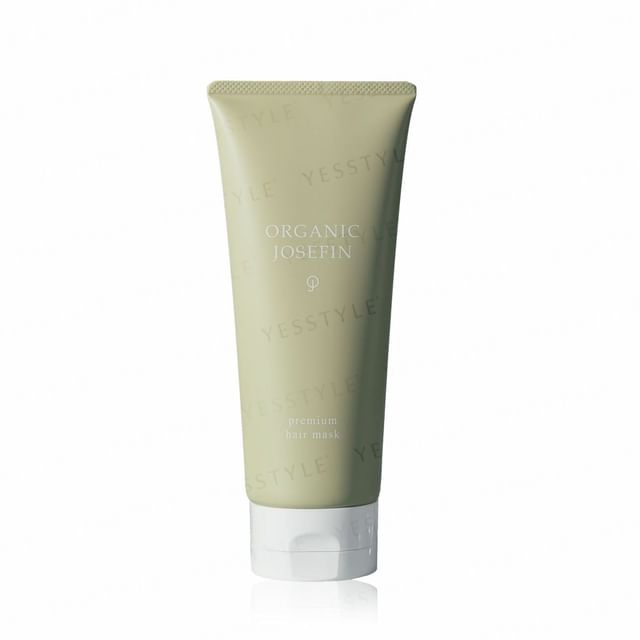
Margaret Josefin Organic Josefin Premium Hair Mask 200g
An intense conditioning and moisturizing hair mask formulated with natural ingredients to repair and lock moisture into the hair, enhancing smoothness and manageability for straight and wavy styles.
Natural
Silicone-free
Damage Repair
Dryness
Straight
Wavy
Optimized for Your Environment & Lifestyle
Nykaa
In stock
Recommended

Margaret Josefin Organic Josefin Premium Hair Mask 200g
Margaret Josefin
margaret-josefin-organic-josefin-premium-hair-mask-200g
Hair Mask
10523336802597
Morning or Evening?
How often will you use this product?
Notes


Secure payment protection
Your Biodata Compatibility Analysis
Based on your 6 hair health indices and environmental factors
Poor Match
Significant incompatibilities
Growth Cycle Health Index
Hair Match
Hair Health Index Alignment
Optimal for OSI, SSI, DI, HSI
Ingredient Efficacy
Matching Ingredient Score
Environment Compatibility
Current UV, Air Quality & Humidity
Why This Works for Your Specific Profile
Damage Index:
Damage levels outside specified range may not benefit optimally from product formulation
Water Quality:
Hair with breakage or thinning needs protein emphasis that moisture-heavy formula lacks
Hair:
Closed cuticles resist product penetration causing surface buildup without internal benefits
Active Lifestyle:
Activity levels outside optimal range affect product performance and maintenance requirements
Your Hair Profile Integration
Your Hair Archetype

Density Level

Washing Frequency

Shedding Level

Oil Level
Your Hair Health Indices
Oil Secretion (OSI)
Very low oil production
Scalp Sensitivity (SSI)
Very low sensitivity
Growth Rate (CMR)
Poor metabolism rate
Damage Index (DI)
Minimal damage
Hair Strength (HSI)
Very weak strength
Softness Index (SI)
Significant improvement needed
Water & Environmental Integration

Water:


Expected Results & Timeline
Key Highlights

What is it?
Hair Mask with natural ingredients

Who Is It For
Adults, Unisex

Budget
Rs. 2,352.16 - Rs. 4,704.32

Timeline
Immediate improvement in hair smoothness and manageability
Why You’ll Love It

What Does It Help With?
Dryness, Damage Repair

Best for
Damage Repair

Features
Intense conditioning, Moisturizing, Repairs and locks moisture into the hair, Enhances smoothness and manageability

Checks
Made in Japan
Ingredients Overview
Ingredients List
water, hydrogenated-starch-hydrolysate, cetearyl-alcohol, hydrogenated-palm-oil, olive-fruit-oil, behentrimonium-chloride, squalane, butylene-glycol, red-clover-flower-extract, rosa-canina-fruit-extract, mentha-piperita-leaf-extract, sage-leaf-extract, thymus-vulgaris-flower/leaf/stem-extract, rosa-damascena-flower-extract, artemisia-absinthium-extract, lavender-flower-extract, polyglyceryl-2-isostearate/dimer-dilinoleate-copolymer, sodium-lactate, behenyl-alcohol, isopropanol, lactic-acid, phenoxyethanol, fragrance
Key Ingredients
olive-fruit-oil, squalane, red-clover-flower-extract, rosa-canina-fruit-extract, mentha-piperita-leaf-extract, sage-leaf-extract, thymus-vulgaris-flower/leaf/stem-extract, rosa-damascena-flower-extract, artemisia-absinthium-extract, lavender-flower-extract
Ingredients Details
Fragrance
Common Name(s): Fragrance ingredient,eu allergen or aromatic component,olfactory/flavour
CAS Number: N/a
DESCRIPTION
What It Does: Provides the complete fragrance profile contributing to product sensory experience and consumer appeal.
Why It's Used: Fragrance is a major consumer purchase driver — up to 70% of consumers make purchasing decisions partially based on product scent.
How It Works: Fragrance blends interact with olfactory receptors providing the sensory profile — complex mixtures activate multiple receptor types for rich, multidimensional scent experiences.
Typically Found In: All fragrance products
TECHNICAL DETAILS
Primary Category: Active ingredient – cosmetic active
Secondary Functions: Skin conditioning
Application Areas:

Facial Skincare

Body Care
Hair Care
Beard Care
Color Cosmetics (Makeup)
Dietary/Oral Supplements
Typical Concentration Range: Standard use levels
SOURCING & ETHICS
Vegan Status: Conditional
Halal Status: Yes
Source Notes: Commercially produced for cosmetic use. verify vegan/halal status with supplier.
SKIN COMPATIBILITY
Irritancy Rating: 1/5 – very low
Comedogenicity Rating: 0/5 – non-comedogenic
Sensitivity Concerns: Well-tolerated by most skin types.
Safe for Sensitive Skin: Yes
SAFETY & COMPATIBILITY
Safety Profile: Good safety profile at recommended concentrations. ewg score: 1–2.
Works Well With: Standard skincare actives
Avoid Combining With: No known significant incompatibilities
SCIENTIFIC NOTE
Ifra guidelines set usage limits for fragrance ingredients based on skin sensitisation and phototoxicity assessment for each application category.
Last Verified: Eu regulation 1223/2009 annex iii,ifra standards,fragrance allergen declaration requirements
Primary Sources: 2026-03-12
Phenoxyethanol
Common Name(s): 2-phenoxyethanol,rose ether,ethylene glycol monophenyl ether
CAS Number: 122-99-6
DESCRIPTION
What It Does: Prevents microbial contamination and spoilage in cosmetic formulations.
Why It's Used: The benchmark cosmetic preservative – eu-permitted up to 1%, effective against virtually all cosmetically relevant microorganisms, and excellent tolerability.
How It Works: Phenol ring provides broad antimicrobial activity via disruption of bacterial and fungal cell membranes and inhibition of enzymatic activity. effective against gram-positive and gram-negative bacteria, yeasts (candida), and molds (aspergillus). activity ph range: 3-9.
Typically Found In: All cosmetic formulations as primary preservative
TECHNICAL DETAILS
Primary Category: Functional ingredient – broad-spectrum preservative
Secondary Functions: Skin conditioning
Application Areas:
Facial Skincare
Body Care
Hair Care
Beard Care
Color Cosmetics (Makeup)
Dietary/Oral Supplements
Typical Concentration Range: 0.1%–1% (eu max 1%)
SOURCING & ETHICS
Vegan Status: Yes – synthetic
Halal Status: Yes
Source Notes: Commercially produced for cosmetic use. verify vegan/halal status with supplier.
SKIN COMPATIBILITY
Irritancy Rating: 1/5 – very low
Comedogenicity Rating: 0/5 – non-comedogenic
Sensitivity Concerns: Well-tolerated by most skin types.
Safe for Sensitive Skin: Yes
SAFETY & COMPATIBILITY
Safety Profile: Eu cosmetics regulation max 1%. sccs assessed as safe at ≤1%. avoid use around eyes in baby products per some country regulations. ewg score: 4.
Works Well With: Standard skincare actives
Avoid Combining With: No known significant incompatibilities
SCIENTIFIC NOTE
Phenoxyethanol's widespread adoption as the primary cosmetic preservative followed the phaseout of parabens from many formulations in the 2000s-2010s. despite having a comparable or better safety profile to parabens, it is often cited in 'free-from' formulations – a consumer perception issue rather than a scientific safety concern.
Last Verified: Cosing database,sccs opinion on phenoxyethanol,cir safety assessment
Primary Sources: 2026-03-12
Squalane
Common Name(s): Perhydrosqualene,2,6,10,15,19,23-hexamethyltetracosane
CAS Number: 0111-01-03
DESCRIPTION
What It Does: Provides endogenous-skin-identical emolliency with exceptional stability and skin compatibility.
Why It's Used: The most skin-compatible emollient – chemically identical to human sebum squalene component with outstanding tolerability across all skin types.
How It Works: Fully saturated hydrocarbon with zero oxidation sites provides exceptional stability unlike squalene's 6 double bonds. integrates into stratum corneum lipid bilayers with near-perfect biocompatibility. provides antioxidant protection to formulation via radical quenching.
Typically Found In: Facial oils,serums,non-comedogenic moisturizers,luxury body care
TECHNICAL DETAILS
Primary Category: Functional ingredient – emollient
Secondary Functions: Maximum biocompatibility,antioxidant stabilizer,non-comedogenic
Application Areas:
Facial Skincare
Body Care
Hair Care
Beard Care
Color Cosmetics (Makeup)
Dietary/Oral Supplements
Typical Concentration Range: 1%–100%
SOURCING & ETHICS
Vegan Status: Conditional – plant-derived (sugarcane, olive) preferred; shark liver-derived being phased out
Halal Status: Yes – plant-derived
Source Notes: Sustainable plant-derived squalane from sugarcane fermentation (amyris) or olive oil fractionation is preferred over shark liver-derived. chemically identical regardless of source.
SKIN COMPATIBILITY
Irritancy Rating: 1/5 – very low
Comedogenicity Rating: 0/5 – non-comedogenic
Sensitivity Concerns: Non-irritating.
Safe for Sensitive Skin: Yes
SAFETY & COMPATIBILITY
Safety Profile: Excellent safety profile. ewg score: 1.
Works Well With: Humectants,ceramides,actives as carrier
Avoid Combining With: No significant incompatibilities
SCIENTIFIC NOTE
Squalene constitutes approximately 12-15% of human sebum – the highest proportion of any skin lipid. topical squalane (stable, hydrogenated form) replenishes this abundant endogenous skin lipid. the complete absence of oxidizable double bonds (unlike squalene's 6 double bonds) eliminates the pro-oxidant concerns of natural squalene oxidation.
Last Verified: Cosing database,huang et al. squalane review,cir safety assessment
Primary Sources: 2026-03-12
Squalane
Common Name(s): Perhydrosqualene,2,6,10,15,19,23-hexamethyltetracosane
CAS Number: 0111-01-03
DESCRIPTION
What It Does: Provides endogenous-skin-identical emolliency with exceptional stability and skin compatibility.
Why It's Used: The most skin-compatible emollient – chemically identical to human sebum squalene component with outstanding tolerability across all skin types.
How It Works: Fully saturated hydrocarbon with zero oxidation sites provides exceptional stability unlike squalene's 6 double bonds. integrates into stratum corneum lipid bilayers with near-perfect biocompatibility. provides antioxidant protection to formulation via radical quenching.
Typically Found In: Facial oils,serums,non-comedogenic moisturizers,luxury body care
TECHNICAL DETAILS
Primary Category: Functional ingredient – emollient
Secondary Functions: Maximum biocompatibility,antioxidant stabilizer,non-comedogenic
Application Areas:
Facial Skincare
Body Care
Hair Care
Beard Care
Color Cosmetics (Makeup)
Dietary/Oral Supplements
Typical Concentration Range: 1%–100%
SOURCING & ETHICS
Vegan Status: Conditional – plant-derived (sugarcane, olive) preferred; shark liver-derived being phased out
Halal Status: Yes – plant-derived
Source Notes: Sustainable plant-derived squalane from sugarcane fermentation (amyris) or olive oil fractionation is preferred over shark liver-derived. chemically identical regardless of source.
SKIN COMPATIBILITY
Irritancy Rating: 1/5 – very low
Comedogenicity Rating: 0/5 – non-comedogenic
Sensitivity Concerns: Non-irritating.
Safe for Sensitive Skin: Yes
SAFETY & COMPATIBILITY
Safety Profile: Excellent safety profile. ewg score: 1.
Works Well With: Humectants,ceramides,actives as carrier
Avoid Combining With: No significant incompatibilities
SCIENTIFIC NOTE
Squalene constitutes approximately 12-15% of human sebum – the highest proportion of any skin lipid. topical squalane (stable, hydrogenated form) replenishes this abundant endogenous skin lipid. the complete absence of oxidizable double bonds (unlike squalene's 6 double bonds) eliminates the pro-oxidant concerns of natural squalene oxidation.
Last Verified: Cosing database,huang et al. squalane review,cir safety assessment
Primary Sources: 2026-03-12
Personalized Usage Instructions
How to Use
Step 1
After shampooing, apply the mask from mid-lengths to ends of hair
Step 2
Leave on for 5-10 minutes and rinse well
Step 3
For a deep treatment, apply to damp hair and wrap head in a towel for 20 minutes or overnight
Step 4
Rinse well
Medical Chemicals

Protein/Moisture
- Moisture
pH Level
- Acidic

Porosity Taget
- High Porosity
Customized for Your Profile
Scalp Condtions
Sensitive Scalp, pH Balanced
Climate Suitability
Humid, Dry
Clinical Claims
Frequency
After shampooing, apply the mask from mid-lengths to ends of hair. Leave on for 5-10 minutes and rinse well. For a deep treatment, apply to damp hair and wrap head in a towel for 20 minutes or overnight. Rinse well.
Product Information

Made in Japan
