

MIXSOON
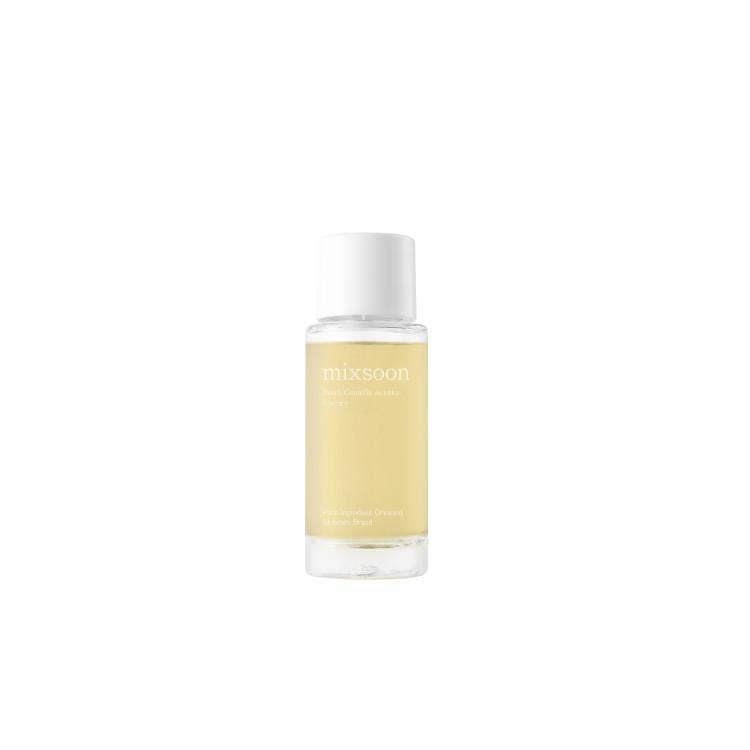
Mixsoon Bean Essence 50Ml + Soondy Centella Asiatica Essence 20Ml

Mixsoon Bean Essence 50Ml + Soondy Centella Asiatica Essence 20Ml
MIXSOON
mixsoon-bean-essence-50ml-soondy-centella-asiatica-essence-20ml
Moisturize
10084713333029
Morning or Evening?
How often will you use this product?
Notes


Highlights
WHAT IS IT?
High coverage concealer, 1 product
FEATURES
Dual applicator (micro-tip and hybrid-tip), long-lasting coverage up to 8 hours, smooth and balanced multi-powder blend, natural powder finish with ultra-fine pressure pulverization process, peptide for tightening effect
BEST FOR
sensitive
CHECKS
Contains Alcohol Denat., Contains Fragrance (Lavender Oil, Linalool, Geraniol)
Who Is It For?
What Does It Help With?
Coverage Of Imperfections Tight-looking SkinBudget
Mid-range ($30-$75)How To Use
Which routine should it be used in?
Instructions:
Key Information


What MIXSOON Says
Product Description:
Flawless & high coverage, effortless perfection. Long-lasting 2in1 High coverage concealer. The 1st Dual aplikator Concealer, reach every surface easily. With Tetra Peptide, for tight looking skin in every usage.
About the Brand:
Ingredients Overview
Ingredients List
Water / Aqua,Dibutyl Adipate,Methylpropanediol,Alcohol Denat.,Terephthalylidene Dicamphor Sulfonic Acid,1,2-Hexanediol,Ethylhexyl Triazone,Glycerin,Polysilicone-15,Tromethamine,Polyglyceryl-3 Diisostearate,Caprylyl Methicone,Cetearyl Alcohol,Diethylamino Hydroxybenzoyl Hexyl Benzoate,Dipropylene Glycol,Polymethylsilsesquioxane,Palmitic Acid,Stearic Acid,Bis-Ethylhexyloxyphenol Methoxyphenyl Triazine,Glyceryl Stearate,Potassium Cetyl Phosphate,Polyether-7,Carbomer,Ammonium Acryloyldimethyltaurate/VP Copolymer,Glyceryl Stearate Citrate,Acrylates/C10-30 Alkyl Acrylate Crosspolymer,Lavandula Angustifolia (Lavender) Oil,Centella Asiatica Extract,Linalool,Ethylhexylglycerin,Geraniol
Key Ingredients
Tetra Peptide, Centella Asiatica Extract, Bisabolol, Tocopherol
Ingredients Details
1-2-hexanediol
Common Name(s): 1-2-hexanediol,cosmetic active,functional ingredient
CAS Number: N/a
DESCRIPTION
What It Does: Delivers characteristic cosmetic function at recommended use concentration.
Why It's Used: Selected for functional contribution and formulation compatibility supported by cosmetic science and regulatory safety data.
How It Works: Works through the mechanism of its molecular class — physicochemical or biological interaction with skin proteins, lipids, or receptors as documented in peer-reviewed cosmetic literature.
Typically Found In: Skin care formulations
TECHNICAL DETAILS
Primary Category: Active ingredient – cosmetic active
Secondary Functions: Skin conditioning
Application Areas:

Facial Skincare

Body Care
Hair Care
Beard Care
Color Cosmetics (Makeup)
Dietary/Oral Supplements
Typical Concentration Range: 0.1%–10%
SOURCING & ETHICS
Vegan Status: Conditional
Halal Status: Yes
Source Notes: Commercially produced for cosmetic use. verify vegan/halal status with supplier.
SKIN COMPATIBILITY
Irritancy Rating: 1/5 – very low
Comedogenicity Rating: 0/5 – non-comedogenic
Sensitivity Concerns: Well-tolerated by most skin types.
Safe for Sensitive Skin: Yes
SAFETY & COMPATIBILITY
Safety Profile: Good safety profile at recommended concentrations. ewg score: 1–2.
Works Well With: Standard skincare actives
Avoid Combining With: No known significant incompatibilities
SCIENTIFIC NOTE
1-2-hexanediol has an established safety and efficacy profile within the cosmetic regulatory framework at standard use concentrations.
Last Verified: Cosing database,1-2-hexanediol technical literature
Primary Sources: 2026-03-12
Acrylates/c10-30 Alkyl Acrylate Crosspolymer
Common Name(s): Acrylates/c10-30 alkyl acrylate crosspolymer
DESCRIPTION
What It Does: Delivers targeted skin-conditioning or bioactive benefits through a specific mechanism of action suited to the formulation's intended purpose.
Why It's Used: Specialty actives address specific skin concerns through targeted molecular mechanisms, providing efficacy beyond what base formulation ingredients alone can achieve.
How It Works: The bioactive compound interacts with specific molecular targets in skin cells or the extracellular matrix — enzymes, receptors, structural proteins, or signaling molecules — triggering beneficial biological responses.
Typically Found In: Serums,treatments,moisturizers,specialty products
TECHNICAL DETAILS
Primary Category: Specialty actives
Secondary Functions: Skin-conditioning,anti-aging
Application Areas:
Facial Skincare
Body Care
Hair Care
Beard Care
Color Cosmetics (Makeup)
Dietary/Oral Supplements
Typical Concentration Range: 0.01–5%
SOURCING & ETHICS
Vegan Status: Yes
Halal Status: Yes
Source Notes: Specialty active ingredient; check individual sourcing for vegan status.
SKIN COMPATIBILITY
Irritancy Rating: 1
Comedogenicity Rating: 0
Sensitivity Concerns: Low sensitization potential at recommended use concentrations.
Safe for Sensitive Skin: Yes
SAFETY & COMPATIBILITY
Safety Profile: Well-characterized cosmetic ingredient with established safety profile. generally non-irritating at typical use concentrations. suitable for leave-on and rinse-off cosmetics.
Works Well With: Niacinamide,hyaluronic acid,vitamin c,peptides
Avoid Combining With: Incompatible with oxidizing agents; check ph stability
SCIENTIFIC NOTE
Specialty actives typically work through enzyme inhibition (e.g., tyrosinase inhibition for brightening, mmp inhibition for anti-aging), receptor activation (e.g., retinoid receptors, ppar-γ for barrier genes), or transcription factor modulation (e.g., nrf2 for antioxidant gene upregulation). structure-activity relationships determine potency and selectivity.
Last Verified: Cosing eu database; pcpc cosmetic ingredient safety reviews; ingredient-specific safety and efficacy literature
Primary Sources: 2025-01-15
Alcohol Denat.
Common Name(s): Alcohol denat.,denatured ethanol,solvent antimicrobial astringent
CAS Number: N/a
DESCRIPTION
What It Does: Alcohol denat. dissolves oil-soluble and water-soluble cosmetic actives, provides rapid antimicrobial activity at concentrations above 60–70% by denaturing microbial proteins, delivers a refreshing cooling sensation through evaporative cooling on skin, and temporarily enhances the penetration of topical actives by transiently disrupting the stratum corneum lipid bilayer organisation.
Why It's Used: Formulators choose alcohol denat. for its irreplaceable combination of solvent power, antimicrobial activity, and penetration-enhancing properties. no other cosmetic solvent simultaneously provides the cooling sensory experience of alcohol (from evaporative cooling at the skin surface), the immediate antimicrobial activity required for sanitisers (from protein denaturation above 60%), and the transient sc lipid disruption that improves active ingredient delivery (essential in actives-rich toners and essences). for denatured alcohol specifically, denaturing agents (typically 5% isopropanol or bitrex) prevent consumption without affecting cosmetic function.
How It Works: Alcohol denat. works through multiple mechanisms depending on concentration: (1) solvent action — alcohol's hydroxyl group provides hydrogen bonding with water while the short alkyl chain provides interaction with organic solutes, enabling dissolution of both hydrophilic and moderately lipophilic cosmetic actives in a single solvent; (2) antimicrobial — above 60% concentration, ethanol denatures microbial proteins by disrupting non-covalent bonds maintaining protein secondary and tertiary structure — the alcohol molecules intercalate between protein chains, disrupting the hydrophobic interactions and hydrogen bonds that maintain enzyme active site geometry. this non-specific protein denaturation is immediately bactericidal and virucidal with no resistance mechanism possible; (3) sc penetration enhancement — at lower concentrations (5–30%), ethanol transiently fluidises the sc lipid bilayer by intercalating between the ordered lipid lamellae, disrupting the crystal packing and increasing lipid bilayer fluidity. this transient fluidisation increases the diffusion coefficient of co-applied actives through the sc for up to 30 minutes post-application; (4) astringency — alcohol's protein precipitating action at the skin surface contracts superficial proteins, temporarily tightening pores and reducing oiliness.
Typically Found In: Toners,hand sanitisers,actives serums
TECHNICAL DETAILS
Primary Category: Active ingredient – cosmetic active
Secondary Functions: Skin conditioning
Application Areas:
Facial Skincare
Body Care
Hair Care
Beard Care
Color Cosmetics (Makeup)
Dietary/Oral Supplements
Typical Concentration Range: 5%–95%
SOURCING & ETHICS
Vegan Status: Yes
Halal Status: Yes
Source Notes: Commercially produced for cosmetic use. verify vegan/halal status with supplier.
SKIN COMPATIBILITY
Irritancy Rating: 1/5 – very low
Comedogenicity Rating: 0/5 – non-comedogenic
Sensitivity Concerns: Well-tolerated by most skin types.
Safe for Sensitive Skin: Yes
SAFETY & COMPATIBILITY
Safety Profile: Good safety profile at recommended concentrations. ewg score: 1–2.
Works Well With: Standard skincare actives
Avoid Combining With: No known significant incompatibilities
SCIENTIFIC NOTE
Ethanol concentration-dependent antimicrobial efficacy: below 40% — minimal bactericidal effect (insufficient protein denaturation); 40–60% — bacteriostatic, not bactericidal; 60–70% — peak bactericidal efficacy against both enveloped and non-enveloped viruses and vegetative bacteria (optimal water content maintains protein hydration required for denaturation to proceed); 80–90% — remains effective but slightly reduced from decreased water activity; 95–100% — reduced efficacy (insufficient water for protein denaturation). the 70% 'sweet spot' for sanitisers reflects this concentration-efficacy peak, not a formulation convenience.
Last Verified: Cosing database,alcohol denat. ethanol solvent antimicrobial review
Primary Sources: 2026-03-12
Ammonium Acryloyldimethyltaurate/vp Copolymer
Common Name(s): Ammonium acryloyldimethyltaurate/vp copolymer
DESCRIPTION
What It Does: Delivers targeted skin-conditioning or bioactive benefits through a specific mechanism of action suited to the formulation's intended purpose.
Why It's Used: Specialty actives address specific skin concerns through targeted molecular mechanisms, providing efficacy beyond what base formulation ingredients alone can achieve.
How It Works: The bioactive compound interacts with specific molecular targets in skin cells or the extracellular matrix — enzymes, receptors, structural proteins, or signaling molecules — triggering beneficial biological responses.
Typically Found In: Serums,treatments,moisturizers,specialty products
TECHNICAL DETAILS
Primary Category: Specialty actives
Secondary Functions: Skin-conditioning,anti-aging
Application Areas:
Facial Skincare
Body Care
Hair Care
Beard Care
Color Cosmetics (Makeup)
Dietary/Oral Supplements
Typical Concentration Range: 0.01–5%
SOURCING & ETHICS
Vegan Status: Yes
Halal Status: Yes
Source Notes: Specialty active ingredient; check individual sourcing for vegan status.
SKIN COMPATIBILITY
Irritancy Rating: 1
Comedogenicity Rating: 0
Sensitivity Concerns: Low sensitization potential at recommended use concentrations.
Safe for Sensitive Skin: Yes
SAFETY & COMPATIBILITY
Safety Profile: Well-characterized cosmetic ingredient with established safety profile. generally non-irritating at typical use concentrations. suitable for leave-on and rinse-off cosmetics.
Works Well With: Niacinamide,hyaluronic acid,vitamin c,peptides
Avoid Combining With: Incompatible with oxidizing agents; check ph stability
SCIENTIFIC NOTE
Specialty actives typically work through enzyme inhibition (e.g., tyrosinase inhibition for brightening, mmp inhibition for anti-aging), receptor activation (e.g., retinoid receptors, ppar-γ for barrier genes), or transcription factor modulation (e.g., nrf2 for antioxidant gene upregulation). structure-activity relationships determine potency and selectivity.
Last Verified: Cosing eu database; pcpc cosmetic ingredient safety reviews; ingredient-specific safety and efficacy literature
Primary Sources: 2025-01-15
