

Neutrogena
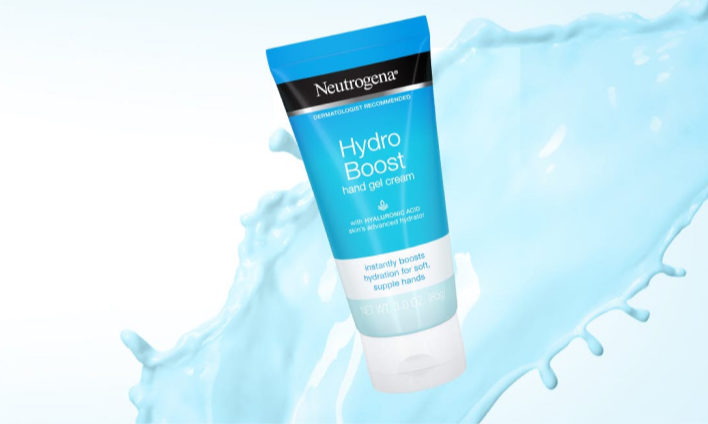
Neutrogena® Hydro Boost Hand Gel Cream

Neutrogena® Hydro Boost Hand Gel Cream
Neutrogena
neutrogena-r-hydro-boost-hand-gel-cream
Body care
9818403275045
Morning or Evening?
How often will you use this product?
Notes


Highlights
WHAT IS IT?
Hand gel cream with hyaluronic acid
FEATURES
Non-greasy, Quick absorption, 24-hour moisturization, Instant hydration
BEST FOR
dry
CHECKS
Free of paraben, alcohol, sulfate
Who Is It For?
All Ages All GendersWhat Does It Help With?
Dry Hands Skin Hydration Skin SofteningBudget
Affordable (under $30)How To Use
Which routine should it be used in?
Instructions:
Key Information


What Neutrogena Says
Product Description:
Instantly quench and replenish dry, thirsty hands. Neutrogena® Hydro Boost Hyaluronic Acid Hand Gel Cream instantly quenches for hydrated, soft and supple hands. Clinically proven to moisturize for 24 hours, leaving dry hands noticeably softer and smoother.
About the Brand:
Ingredients Overview
Ingredients List
Water, Glycerin, Isopropyl-Palmitate, Cetyl-Alcohol, Dimethicone, Petrolatum, Phenoxyethanol, Sodium-Polyacrylate, Cetearyl-Olivate, Caprylyl-Glycol, Ethylhexylglycerin, Sorbitan-Olivate, Fragrance, Carbomer, Sodium-Hyaluronate, Sodium-Hydroxide, Blue-1
Key Ingredients
Hyaluronic Acid, Glycerin, Dimethicone
Ingredients Details
Caprylyl Glycol
Common Name(s): 1,2-octanediol,octanediol,sensiva sc 50
CAS Number: 1117-86-8
DESCRIPTION
What It Does: Provides the most potent antimicrobial diol activity alongside skin feel enhancement.
Why It's Used: Premium antimicrobial diol — caprylyl glycol's c8 chain provides the strongest membrane-disrupting antimicrobial activity of common diol preservative boosters with unique skin-feel enhancement.
How It Works: C8 1,2-diol: c8 chain length provides strongest bacterial and fungal membrane disruption of common diols. emollient skin feel improvement from c8 chain length interaction with skin surface. active at lower concentrations than shorter-chain diols. synergistic with ethylhexylglycerin.
Typically Found In: Natural preservation systems,skin feel enhancement
TECHNICAL DETAILS
Primary Category: Functional ingredient – antimicrobial humectant
Secondary Functions: Skin conditioning
Application Areas:

Facial Skincare

Body Care
Hair Care
Beard Care
Color Cosmetics (Makeup)
Dietary/Oral Supplements
Typical Concentration Range: 0.1%–1%
SOURCING & ETHICS
Vegan Status: Yes – synthetic
Halal Status: Yes
Source Notes: Commercially produced for cosmetic use. verify vegan/halal status with supplier.
SKIN COMPATIBILITY
Irritancy Rating: 1/5 – very low
Comedogenicity Rating: 0/5 – non-comedogenic
Sensitivity Concerns: Well-tolerated by most skin types.
Safe for Sensitive Skin: Yes
SAFETY & COMPATIBILITY
Safety Profile: Good safety profile at recommended concentrations. ewg score: 1–2.
Works Well With: Standard skincare actives
Avoid Combining With: No known significant incompatibilities
SCIENTIFIC NOTE
Caprylyl glycol's antimicrobial potency follows the chain-length dependent membrane activity of fatty acids: c8 is the optimal chain length for membrane disruption (same as caprylic acid's antimicrobial optimum), providing maximum membrane integration without the skin sensitisation associated with longer chain lengths. this chain-length pharmacophore relationship is why c8 > c6 > c5 in diol antimicrobial potency despite identical head group chemistry.
Last Verified: Cosing database,schülke sensiva sc 50 technical data,cir safety assessment
Primary Sources: 2026-03-12
Cetearyl Olivate
Common Name(s): Nonionic emulsifier,o/w surfactant,emulsion stabiliser
CAS Number: N/a
DESCRIPTION
What It Does: Stabilises o/w emulsions by forming a molecular monolayer at the oil-water interface, provides co-emulsification synergy with other emulsifiers, and contributes to emulsion texture through interfacial film properties.
Why It's Used: Nonionic emulsifiers are preferred for sensitive skin and ph-extreme formulations — no ionic charge means no electrostatic interaction with skin proteins, no ph-dependent function loss, and compatibility with both anionic and cationic co-ingredients.
How It Works: Hlb determines emulsion type: hlb 8–12 for o/w emulsification; hlb 3–6 for w/o. the peg or glycoside head group provides hydrophilicity while the c16–c18 fatty chain provides lipophilicity. at the o/w interface, nonionic emulsifiers form a mixed monolayer reducing interfacial tension from ~35 mn/m (clean oil-water) to 5–10 mn/m, providing thermodynamic stabilisation.
Typically Found In: Creams,lotions,o/w emulsions
TECHNICAL DETAILS
Primary Category: Active ingredient – cosmetic active
Secondary Functions: Skin conditioning
Application Areas:
Facial Skincare
Body Care
Hair Care
Beard Care
Color Cosmetics (Makeup)
Dietary/Oral Supplements
Typical Concentration Range: 1%–10%
SOURCING & ETHICS
Vegan Status: Conditional
Halal Status: Yes
Source Notes: Commercially produced for cosmetic use. verify vegan/halal status with supplier.
SKIN COMPATIBILITY
Irritancy Rating: 1/5 – very low
Comedogenicity Rating: 0/5 – non-comedogenic
Sensitivity Concerns: Well-tolerated by most skin types.
Safe for Sensitive Skin: Yes
SAFETY & COMPATIBILITY
Safety Profile: Good safety profile at recommended concentrations. ewg score: 1–2.
Works Well With: Standard skincare actives
Avoid Combining With: No known significant incompatibilities
SCIENTIFIC NOTE
Mixed emulsifier systems (e.g., glyceryl stearate + peg-100 stearate, or cetearyl glucoside + cetearyl alcohol) provide better emulsion stability than single emulsifiers — synergistic packing of different molecular geometries creates a more cohesive, mechanically robust interfacial film.
Last Verified: Cosing database,nonionic emulsifier hlb system review
Primary Sources: 2026-03-12
Cetyl Alcohol
Common Name(s): 1-hexadecanol,palmityl alcohol,n-cetyl alcohol
CAS Number: 36653-82-4
DESCRIPTION
What It Does: Provides c16 fatty alcohol emolliency and thickening for well-textured cosmetic emulsions.
Why It's Used: Lighter-textured fatty alcohol alternative to stearyl alcohol for creams and conditioners requiring less heavy emolliency.
How It Works: C16 chain length provides slightly lower melting point (49°c) than stearyl (60°c) giving softer, lighter emulsion texture. forms lamellar networks for thickening and stability. direct skin and hair conditioning via fatty alcohol film.
Typically Found In: Creams,hair conditioners,lotions
TECHNICAL DETAILS
Primary Category: Functional ingredient – fatty alcohol
Secondary Functions: Barrier sealing,softening
Application Areas:
Facial Skincare
Body Care
Hair Care
Beard Care
Color Cosmetics (Makeup)
Dietary/Oral Supplements
Typical Concentration Range: 1%–15%
SOURCING & ETHICS
Vegan Status: Yes – from vegetable or coconut/palm fatty acids
Halal Status: Yes
Source Notes: Plant-derived, synthetic or animal-derived. verify source.
SKIN COMPATIBILITY
Irritancy Rating: 1/5 – very low
Comedogenicity Rating: 1/5 – low; formulation-dependent
Sensitivity Concerns: Non-irritating.
Safe for Sensitive Skin: Yes
SAFETY & COMPATIBILITY
Safety Profile: Excellent safety profile. ewg score: 1.
Works Well With: Humectants,ceramides,actives as carrier
Avoid Combining With: No significant incompatibilities
SCIENTIFIC NOTE
Cetyl alcohol's c16 chain length is at the approximate thermal transition point for fatty alcohol lamellar crystallization at skin temperature (33°c). this transition (from ordered crystalline to disordered liquid phase near skin temperature) provides the characteristic 'melts on application' sensory profile that makes cetyl alcohol-containing products feel cooling and light on initial application.
Last Verified: Cosing database,cir safety assessment
Primary Sources: 2026-03-12
Dimethicone
Common Name(s): Pdms,polydimethylsiloxane,silicone fluid
CAS Number: 9006-65-9
DESCRIPTION
What It Does: Provides silicone-characteristic silky feel and skin protection with adjustable viscosity.
Why It's Used: The benchmark cosmetic silicone – sets the gold standard for silky application feel, spreadability, and skin protection in virtually all skin care categories.
How It Works: Polydimethylsiloxane chain flexibility provides extremely low surface tension and high spreadability. inert si-o backbone provides chemical stability and excellent skin tolerance. occlusive film formation reduces tewl. higher viscosity grades provide more intense conditioning.
Typically Found In: Moisturizers,foundations,primers,sunscreens – nearly universal
TECHNICAL DETAILS
Primary Category: Functional ingredient – polydimethylsiloxane
Secondary Functions: Barrier sealing,softening
Application Areas:
Facial Skincare
Body Care
Hair Care
Beard Care
Color Cosmetics (Makeup)
Dietary/Oral Supplements
Typical Concentration Range: 0.1%–30%
SOURCING & ETHICS
Vegan Status: Yes – synthetic
Halal Status: Yes
Source Notes: Plant-derived, synthetic or animal-derived. verify source.
SKIN COMPATIBILITY
Irritancy Rating: 1/5 – very low
Comedogenicity Rating: 1/5 – low; formulation-dependent
Sensitivity Concerns: Non-irritating.
Safe for Sensitive Skin: Yes
SAFETY & COMPATIBILITY
Safety Profile: Excellent safety profile. ewg score: 1.
Works Well With: Humectants,ceramides,actives as carrier
Avoid Combining With: No significant incompatibilities
SCIENTIFIC NOTE
Dimethicone's exceptional silky feel arises from its very low intermolecular attractive forces (weak van der waals forces due to non-polar methyl groups) that allow silicone chains to slide freely over skin. the coefficient of kinetic friction for pdms against skin (~0.04) is among the lowest of any cosmetic material – explaining why even small amounts transform product feel.
Last Verified: Cosing database,cir safety assessment
Primary Sources: 2026-03-12
