

Orgatre
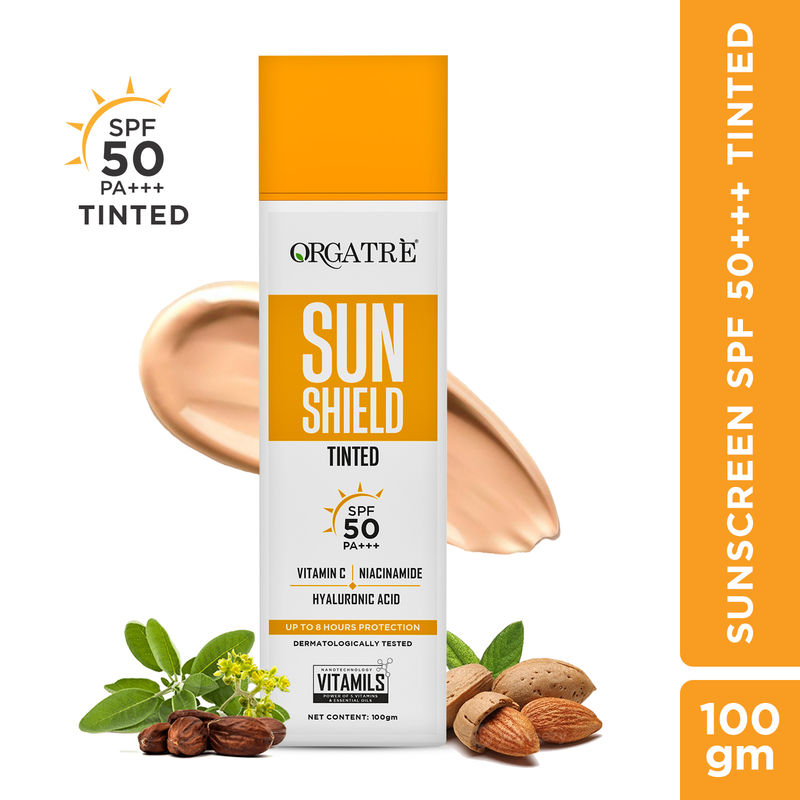
Orgatre Tinted Sunscreen SPF 50 PA+++ Niacinamide & Hyaluronic - Broad Spectrum UV A/B Protection

Orgatre Tinted Sunscreen SPF 50 PA+++ Niacinamide & Hyaluronic - Broad Spectrum UV A/B Protection
Orgatre
orgatre-tinted-sunscreen-spf-50-pa-niacinamide-hyaluronic-broad-spectrum-uv-a-b-protection
Suncare
10085495865637
Morning or Evening?
How often will you use this product?
Notes


Highlights
WHAT IS IT?
Tinted Sunscreen with vitamins and oils, ingredient count at least 7+
FEATURES
Broad-Spectrum Protection SPF 50 PA+++, Hydrating tint for even skin tone, Lightweight and non-greasy, Infused with organic oils and vitamins, Fragrance-free, Suitable for oily, dry, and sensitive skin
BEST FOR
sensitive
CHECKS
No white cast, Non-greasy, No irritation, No breakouts, Fragrance-free
Who Is It For?
All Adults All GendersWhat Does It Help With?
Sun Protection Hydration Even Skin Tone Skin Nourishment Preventing Tanning And Sun DamageBudget
Affordable (under $30)How To Use
Which routine should it be used in?
Instructions:
Key Information


What Orgatre Says
Product Description:
Orgatre’s Sunshield Tinted Sunscreen SPF 50 PA+++ offers the ultimate fusion of sun protection and skincare. This broad-spectrum tinted sunscreen SPF 50, is designed to shield your skin from harmful UVA and UVB rays while delivering a natural, even tone that blends seamlessly with your complexion. Enriched with a potent blend of vitamins like B3, B5, C, E, and F, along with organic oils such as Avocado, Jojoba, and Sweet Almond, it hydrates and nourishes your skin, leaving it soft, smooth, and glowing. The lightweight formula ensures it absorbs quickly without leaving any greasy residue, making it ideal for everyday use. Whether you have oily, dry, or sensitive skin, this fragrance-free tinted sunscreen is your go-to solution for a flawless, protected complexion that feels as good as it looks.
About the Brand:
Ingredients Overview
Ingredients List
avocado-oil,maracuja-oil,marula-seed-oil,pumpkin-seed-oil,roseship-oil,vitamin-c,pumpkin-seeds-oil,avocado-oil
Key Ingredients
Niacinamide, Hyaluronic Acid, Vitamin B3, B5, C, E, F, Avocado Oil, Jojoba Oil, Sweet Almond Oil
Ingredients Details
Avocado Oil
Common Name(s): Avocado oil,avocado butter (solid fraction)
CAS Number: 8024-32-6
DESCRIPTION
What It Does: Provides deep moisturization with rich oleic acid, phytosterols, and lutein antioxidants for mature, dry skin.
Why It's Used: Rich, deeply penetrating oil for dry and mature skin requiring intensive emolliency beyond lightweight oils.
How It Works: Very high oleic acid (55-74%) penetrates deeply into stratum corneum for conditioning. beta-sitosterol and other phytosterols provide barrier repair and mild anti-inflammatory activity. lutein provides antioxidant protection. high unsaponifiable fraction (2-11%) provides unique skin bioactives.
Typically Found In: Rich moisturizers,dry skin oils,anti-aging formulas,body butters
TECHNICAL DETAILS
Primary Category: Functional ingredient – emollient
Secondary Functions: Deep penetrating emollient,phytosterol activity,anti-aging
Application Areas:

Facial Skincare
Body Care
Hair Care

Beard Care
Color Cosmetics (Makeup)
Dietary/Oral Supplements
Typical Concentration Range: 1%–50%
SOURCING & ETHICS
Vegan Status: Yes – from persea gratissima fruits
Halal Status: Yes
Source Notes: Cold-pressed from avocado fruit flesh. high unsaponifiable fraction (unsaponified lipids) makes avocado oil uniquely bioactive vs other oils with low unsaponifiable content.
SKIN COMPATIBILITY
Irritancy Rating: 1/5 – very low
Comedogenicity Rating: 3/5 – moderate; high oleic acid; test for skin type
Sensitivity Concerns: Non-irritating.
Safe for Sensitive Skin: Yes
SAFETY & COMPATIBILITY
Safety Profile: Excellent safety profile. ewg score: 1.
Works Well With: Humectants,ceramides,actives as carrier
Avoid Combining With: No significant incompatibilities
SCIENTIFIC NOTE
Avocado oil's unusually high unsaponifiable fraction (2-11% vs <2% for most plant oils) contains phytosterols, terpenes, vitamin e, and chlorophyll that remain after saponification and provide skin-active benefits not present in most other plant oils. this unsaponifiable fraction is what makes avocado oil pharmacologically distinct from simple fatty acid triglyceride oils.
Last Verified: 2026-03-12
Primary Sources: Cosing database,dreher & davenport avocado review,cir safety assessment
Hyaluronic Acid
Common Name(s): Ha,sodium hyaluronate (salt form),hyaluronan,d-glucuronic acid-n-acetyl-d-glucosamine polymer
CAS Number: 9004-61-9
DESCRIPTION
What It Does: Hyaluronic acid draws and locks moisture into the skin at multiple depths (surface and deeper layers depending on molecular weight), creating a plumping, smoothing, and hydrating effect.
Why It's Used: It is used because it is endogenous to human skin, making it exceptionally biocompatible and non-irritating. its unparalleled moisture-binding capacity makes it the most effective hydrating ingredient available.
How It Works: Ha binds water molecules through its many hydroxyl and carboxyl groups, creating a gel-like matrix. high molecular weight ha (>500 kda) hydrates the skin surface; low molecular weight ha (<50 kda) penetrates deeper to provide interior hydration.
Typically Found In: Serums,moisturizers,sheet masks,toners,eye creams,lip treatments,dermal fillers (injectable)
TECHNICAL DETAILS
Primary Category: Active ingredient – humectant/hydrator
Secondary Functions: Barrier repair,plumping,anti-aging
Application Areas:
Facial Skincare
Body Care
Hair Care
Beard Care
Color Cosmetics (Makeup)
Dietary/Oral Supplements
Typical Concentration Range: 0.1%–2% (effective at very low concentrations; multi-weight ha provides superior results)
SOURCING & ETHICS
Vegan Status: Conditional - feedstock declaration required
Halal Status: Unverified - feedstock declaration required (plant, animal and petrochemical routes all exist)
Source Notes: Originally extracted from rooster combs; now predominantly produced via biotechnology (bacterial fermentation), which is vegan and more sustainable. [audit 2026-07-29 rev2: origin-dependent: the same inci exists in plant, animal and petrochemical versions and the name does not discriminate. determination requires shariah-panel sign-off.]
SKIN COMPATIBILITY
Irritancy Rating: 1/5 – very low; one of the gentlest skincare ingredients known
Comedogenicity Rating: 0/5 – non-comedogenic
Sensitivity Concerns: In very dry environments, high-molecular-weight ha on the surface can potentially draw moisture out of the skin if not sealed with an occlusive. apply to damp skin and seal with moisturizer.
Safe for Sensitive Skin: Yes – ideal for all skin types including rosacea, eczema, and post-procedure skin
SAFETY & COMPATIBILITY
Safety Profile: Exceptional safety profile. endogenous molecule – no toxicity concerns. ewg hazard score: 1. safe during pregnancy.
Works Well With: Virtually all ingredients; especially ceramides,glycerin,peptides,retinol (reduces irritation),niacinamide,vitamin c
Avoid Combining With: No significant incompatibilities; high concentrations of alcohol in a formula may reduce its efficacy
SCIENTIFIC NOTE
Hyaluronic acid naturally degrades in skin (half-life ~1–2 days). the skin produces it endogenously, but production decreases with age. multi-molecular-weight ha formulas provide hydration at both surface and deeper skin levels.
Last Verified: 2026-03-12
Primary Sources: Cosing database,cir safety assessment,papakonstantinou et al. (2012) dermato-endocrinology
Jojoba Oil
Common Name(s): Jojoba oil,jojoba seed oil
CAS Number: 61789-91-1
DESCRIPTION
What It Does: Provides sebum-identical emolliency with outstanding oxidative stability and non-comedogenic profile.
Why It's Used: The most sebum-compatible plant oil – its wax ester composition mimics human sebum for superior skin compatibility across all skin types including oily and acne-prone.
How It Works: Liquid wax ester composition (primarily c20:1 and c22:1 wax esters) provides exceptional molecular mimicry of human sebum wax esters. regulates sebum production via negative feedback to sebaceous glands. remarkable oxidative stability from fully unsaturated wax ester structure vs polyunsaturated triglycerides.
Typically Found In: Facial oils,hair oils,serums,body care,lip care,virtually all product categories
TECHNICAL DETAILS
Primary Category: Functional ingredient – emollient
Secondary Functions: Sebum balancing,oxidative stability,non-comedogenic
Application Areas:
Facial Skincare
Body Care
Hair Care
Beard Care
Color Cosmetics (Makeup)
Dietary/Oral Supplements
Typical Concentration Range: 1%–100%
SOURCING & ETHICS
Vegan Status: Yes – from simmondsia chinensis (jojoba) seeds
Halal Status: Yes
Source Notes: Cold-pressed from jojoba seeds. among the most oxidation-stable plant oils (shelf life 5+ years). desert-grown, drought-resistant crop.
SKIN COMPATIBILITY
Irritancy Rating: 1/5 – very low
Comedogenicity Rating: 0/5 – non-comedogenic; sebum-identical composition
Sensitivity Concerns: Non-irritating.
Safe for Sensitive Skin: Yes
SAFETY & COMPATIBILITY
Safety Profile: Excellent safety profile. ewg score: 1.
Works Well With: Humectants,ceramides,actives as carrier
Avoid Combining With: No significant incompatibilities
SCIENTIFIC NOTE
Jojoba oil's wax ester composition is uniquely different from all other plant oils (which are triglycerides). human sebum contains approximately 25% wax esters – the proportion matched by jojoba. this structural identity explains jojoba's superior skin and hair compatibility versus conventional triglyceride oils.
Last Verified: 2026-03-12
Primary Sources: Cosing database,gad et al. jojoba review,cir safety assessment
Niacinamide
Common Name(s): Vitamin b3,nicotinamide,pyridine-3-carboxamide
CAS Number: 98-92-0
DESCRIPTION
What It Does: Niacinamide strengthens the skin barrier, reduces visible pore size, regulates sebum production, fades dark spots, and improves skin texture and tone.
Why It's Used: It is used because it addresses multiple skin concerns at once without irritation, making it suitable for all skin types. it is stable in formulations and pairs well with most other actives.
How It Works: Niacinamide inhibits the transfer of melanosomes (pigment packets) to skin cells, reducing hyperpigmentation. it also stimulates ceramide synthesis to strengthen the skin barrier and reduces inflammation by modulating cytokine activity.
Typically Found In: Serums,moisturizers,toners,cleansers,eye creams,sunscreens,primers
TECHNICAL DETAILS
Primary Category: Active ingredient – vitamin
Secondary Functions: Barrier repair,brightening,anti-inflammatory
Application Areas:
Facial Skincare
Body Care
Hair Care
Beard Care
Color Cosmetics (Makeup)
Dietary/Oral Supplements
Typical Concentration Range: 2%–10% (typical: 5%; higher concentrations may cause flushing in some individuals)
SOURCING & ETHICS
Vegan Status: Yes – synthetically produced
Halal Status: Yes – synthetic origin
Source Notes: Commercially produced via synthesis from nicotinic acid or 3-cyanopyridine. no animal-derived sources used in cosmetic-grade niacinamide.
SKIN COMPATIBILITY
Irritancy Rating: 1/5 – very low; concentrations above 10% may cause temporary flushing in sensitive individuals
Comedogenicity Rating: 0/5 – non-comedogenic
Sensitivity Concerns: At concentrations >10%, some users experience niacin flush (transient redness/tingling). generally very well-tolerated.
Safe for Sensitive Skin: Yes – one of the best-tolerated actives for sensitive skin
SAFETY & COMPATIBILITY
Safety Profile: Extensively studied and considered very safe. ewg hazard score: 1. no significant systemic toxicity concerns at topical concentrations.
Works Well With: Retinol,peptides,ahas/bhas,hyaluronic acid,ceramides,zinc,vitamin c,spf
Avoid Combining With: High concentrations of vitamin c (ascorbic acid) may theoretically convert to niacin – use at different times if using pure l-ascorbic acid above 15%
SCIENTIFIC NOTE
Niacinamide is a precursor to nad+ and nadp+, coenzymes vital to cellular energy metabolism. its benefits for dna repair and mitochondrial function make it a key ingredient in anti-aging strategies.
Last Verified: 2026-03-12
Primary Sources: Cosing database,cir safety assessment,ewg skin deep,pubmed clinical studies