

Ozone Pharmaceuticals Ltd.
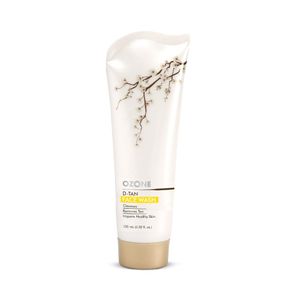
OZONE D-TAN FACE WASH (100 ml)

OZONE D-TAN FACE WASH (100 ml)
Ozone Pharmaceuticals Ltd.
ozone-d-tan-face-wash-100-ml
Cleanse
10085506875685
Morning or Evening?
How often will you use this product?
Notes


Highlights
WHAT IS IT?
Face Wash with 4 key ingredients
FEATURES
Replenishes dead and damaged cells of UV affected skin, energizing and replenishing properties of Aloe Vera and Cucumber, deeply nourishes with Shea Butter, skin-renewing brightening formula reduces tan and uneven skin tone, free from parabens, sulfates, silicones, Petrolatum and artificial colors
BEST FOR
dull
CHECKS
Parabens, Sulfates, Silicones, Petrolatum, Artificial Colors
Who Is It For?
What Does It Help With?
Tan Reduction Uneven Skin Tone Uv-damaged Skin Dull SkinBudget
Affordable (under $30)How To Use
Which routine should it be used in?
Instructions:
Key Information


What Ozone Pharmaceuticals Ltd. Says
Product Description:
A replenishing Face Pack that works on reinvigorating the dead and damaged cells of UV affected skin. Bursting with the energizing and replenishing properties of Aloe Vera and Cucumber, the face pack casts its magic spell on the deeper layers. Shea Butter deeply nourishes the skin for a soft, supple and more glowing appearance. Its skin-renewing brightening formula reduces tan and effectively works on treating uneven skin tone caused by sun damage to give your skin a brighter and radiant look. The pack holds absolute freedom from parabens, sulfates, silicones, Petrolatum and Artificial Colors.
About the Brand:
Ingredients Overview
Ingredients List
Aloe-Barbadensis-Extract, Cucumber-Extract, Licorice-Extract, Lactic-Acid
Key Ingredients
Aloe Barbadensis Extract, Cucumber Extract, Licorice Extract, Lactic Acid
Ingredients Details
Aloe Barbadensis Extract
Common Name(s): Aloe barbadensis extract,aloe barbadensis extract,botanical extract,phytochemical active
CAS Number: N/a
DESCRIPTION
What It Does: Provides antioxidant protection from polyphenol radical scavenging, anti-inflammatory activity from terpenoid nf-kb/cox pathway inhibition, and skin conditioning from the phytochemical secondary metabolite complex.
Why It's Used: Aloe barbadensis extract is selected for the characteristic secondary metabolite signature of aloe barbadensis — whether polyphenols, terpenoids, alkaloids, or polysaccharides, the phytochemical profile provides antioxidant, anti-inflammatory, or skin conditioning benefits specific to this botanical species.
How It Works: Botanical secondary metabolites: polyphenol catechol h-atom donation for ros scavenging (rate constants 10⁶-10⁹ m⁻¹s⁻¹); terpenoids inhibit iκb kinase blocking nf-κb; flavonoids compete at cox-1/2; alkaloids modulate specific receptors for targeted bioactivity.
Typically Found In: Botanical skin care
TECHNICAL DETAILS
Primary Category: Active ingredient – antioxidant
Secondary Functions: Free radical scavenging,anti-aging
Application Areas:

Facial Skincare
Body Care

Hair Care
Beard Care
Color Cosmetics (Makeup)
Dietary/Oral Supplements
Typical Concentration Range: 0.1%–10%
SOURCING & ETHICS
Vegan Status: Conditional
Halal Status: Conditional
Source Notes: Plant-derived extract or synthetic.
SKIN COMPATIBILITY
Irritancy Rating: 1/5 – very low
Comedogenicity Rating: 0/5 – non-comedogenic
Sensitivity Concerns: Non-irritating; well-tolerated.
Safe for Sensitive Skin: Yes
SAFETY & COMPATIBILITY
Safety Profile: Excellent safety profile. ewg score: 1.
Works Well With: Vitamin c,vitamin e,ferulic acid,spf,other antioxidants
Avoid Combining With: No significant incompatibilities
SCIENTIFIC NOTE
Standardise to marker compounds for consistent bioactivity — field-grown material varies 3-10× in secondary metabolite content.
Last Verified: Cosing database,aloe barbadensis extract botanical extract review
Primary Sources: 2026-03-22
Cucumber Extract
Common Name(s): Cucumber extract,cucumber juice
DESCRIPTION
What It Does: Soothes and refreshes irritated skin with anti-inflammatory and astringent properties.
Why It's Used: Classic gentle soothing botanical for sensitive skin formulations with astringent, hydrating, and depuffing properties.
How It Works: Caffeic acid inhibits prostaglandin synthesis. cucurbitacins provide anti-inflammatory activity. high water content provides hydration. ascorbic acid provides antioxidant support. silica provides mild astringency.
Typically Found In: Toners,eye gels,sensitive skin products,after-sun formulations
TECHNICAL DETAILS
Primary Category: Active ingredient – soothing / anti-inflammatory
Secondary Functions: Gentle soothing,astringent,depuffing
Application Areas:
Facial Skincare
Body Care
Hair Care
Beard Care
Color Cosmetics (Makeup)
Dietary/Oral Supplements
Typical Concentration Range: 0.5%–20%
SOURCING & ETHICS
Vegan Status: Yes – plant-derived
Halal Status: Yes
Source Notes: Plant-derived extract or synthetic.
SKIN COMPATIBILITY
Irritancy Rating: 1/5 – very low
Comedogenicity Rating: 0/5 – non-comedogenic
Sensitivity Concerns: Non-irritating; ideal for reactive and sensitive skin.
Safe for Sensitive Skin: Yes – particularly recommended for sensitive skin
SAFETY & COMPATIBILITY
Safety Profile: Excellent safety profile. ewg score: 1.
Works Well With: Ceramides,panthenol,allantoin,hyaluronic acid,centella asiatica
Avoid Combining With: No significant incompatibilities
SCIENTIFIC NOTE
Cucumber's traditional use for puffy eyes has a physiological basis – the combination of mild astringency (silica-mediated protein contraction), anti-inflammatory (caffeic acid), and coolness (high water content evaporation) provides a triple-action depuffing effect that explains its enduring use.
Last Verified: Cosing database,cir safety assessment
Primary Sources: 2026-03-12
Lactic Acid
Common Name(s): L-lactic acid,2-hydroxypropionic acid,milk acid
CAS Number: 50-21-5
DESCRIPTION
What It Does: Exfoliates dead skin cells, attracts and retains moisture, brightens skin tone, and improves texture.
Why It's Used: Dual exfoliant and humectant – uniquely hydrating vs other ahas. gentler and suitable for normal-to-sensitive skin.
How It Works: Disrupts desmosomes to promote exfoliation at low ph. acts as humectant. also stimulates ceramide synthesis at lower concentrations for barrier support.
Typically Found In: Chemical exfoliants,toners,serums,professional peels
TECHNICAL DETAILS
Primary Category: Active ingredient – alpha hydroxy acid (aha)
Secondary Functions: Humectant,brightening,barrier support,ceramide synthesis
Application Areas:
Facial Skincare
Body Care
Hair Care
Beard Care
Color Cosmetics (Makeup)
Dietary/Oral Supplements
Typical Concentration Range: 2%–10% (daily); 20%–90% (professional); active at ph ≤3.9
SOURCING & ETHICS
Vegan Status: Yes – synthetic or fermentation-derived
Halal Status: Yes
Source Notes: Fermentation-derived from carbohydrates or synthetically produced. both l-form and dl-form used.
SKIN COMPATIBILITY
Irritancy Rating: 2/5 – low to moderate
Comedogenicity Rating: 0/5 – non-comedogenic
Sensitivity Concerns: Photosensitizing – spf required. better tolerated than glycolic acid for most skin types.
Safe for Sensitive Skin: Use with caution – spf required
SAFETY & COMPATIBILITY
Safety Profile: Safe at otc concentrations. eu: ≤10% leave-on at ph ≥3.5. mandatory spf advisory.
Works Well With: Niacinamide,ceramides,hyaluronic acid,spf
Avoid Combining With: Retinol in same step; multiple exfoliants simultaneously
SCIENTIFIC NOTE
Lactic acid's role as a natural moisturizing factor (nmf) component makes it uniquely hydrating among ahas. ceramide synthesis stimulation at 2% provides barrier benefits complementing exfoliating activity.
Last Verified: Cosing database,stiller et al. lactic acid review,sccs aha opinion
Primary Sources: 2026-03-12
Licorice Extract
Common Name(s): Licorice triterpenoid,glycyrrhetinic acid active,anti-inflammatory brightening
CAS Number: N/a
DESCRIPTION
What It Does: Reduces skin inflammation and redness through 11β-hsd inhibition (cortisol-amplifying mechanism), inhibits tyrosinase and melanogenesis for brightening, and provides antioxidant protection from the triterpenoid phenol system.
Why It's Used: One of few botanicals with documented cortisone-amplifying anti-inflammatory mechanism — 11β-hsd inhibition elevates local cortisol concentration in skin tissue, providing a pharmaceutical-level anti-inflammatory effect without direct corticosteroid application.
How It Works: Glycyrrhetinic acid inhibits 11β-hydroxysteroid dehydrogenase (11β-hsd) — the enzyme that converts active cortisol to inactive cortisone in peripheral tissues. inhibition elevates local skin cortisol, amplifying the glucocorticoid anti-inflammatory response. simultaneously, glabridin (a flavonoid in licorice) inhibits tyrosinase for brightening.
Typically Found In: Anti-inflammatory,soothing,brightening
TECHNICAL DETAILS
Primary Category: Active ingredient – antioxidant
Secondary Functions: Free radical scavenging,anti-aging
Application Areas:
Facial Skincare
Body Care
Hair Care
Beard Care
Color Cosmetics (Makeup)
Dietary/Oral Supplements
Typical Concentration Range: 0.01%–2%
SOURCING & ETHICS
Vegan Status: Yes
Halal Status: Yes
Source Notes: Plant-derived extract or synthetic.
SKIN COMPATIBILITY
Irritancy Rating: 1/5 – very low
Comedogenicity Rating: 0/5 – non-comedogenic
Sensitivity Concerns: Non-irritating; well-tolerated.
Safe for Sensitive Skin: Yes
SAFETY & COMPATIBILITY
Safety Profile: Excellent safety profile. ewg score: 1.
Works Well With: Vitamin c,vitamin e,ferulic acid,spf,other antioxidants
Avoid Combining With: No significant incompatibilities
SCIENTIFIC NOTE
11β-hsd inhibition by glycyrrhetinic acid was first documented in the context of licorice consumption causing pseudoaldosteronism — the same enzyme inhibition applied topically provides localised cortisol amplification for cosmetic anti-inflammatory activity without systemic effects.
Last Verified: Cosing database,glycyrrhetinic acid 11β-hsd anti-inflammatory review
Primary Sources: 2026-03-12
