

Pilgrim
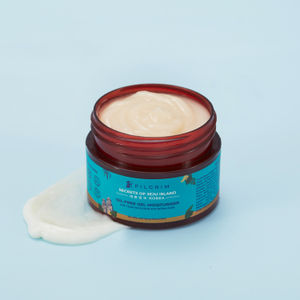
Pilgrim Oil-free Gel Moisturiser with Hyaluronic Acid and Willow bark, 50 gm

Pilgrim Oil-free Gel Moisturiser with Hyaluronic Acid and Willow bark, 50 gm
Pilgrim
pilgrim-oil-free-gel-moisturiser-with-hyaluronic-acid-and-willow-bark-50-gm
Moisturize
10085117133093
Morning or Evening?
How often will you use this product?
Notes


Highlights
WHAT IS IT?
Oil-free gel moisturizer, 6 ingredients mentioned
FEATURES
Intense 24-hour hydration, Oil-free formula, Controls shine and excess oil, Hydrates deeply, Soothes and exfoliates with Willow Bark, Supports moisture barrier with Niacinamide, Fades blemishes, Reduces fine lines and wrinkles, Fast absorbing, Non-greasy
BEST FOR
oily
CHECKS
No Paraben, No Sulphates, No Mineral Oils, No harsh chemicals
Who Is It For?
All Genders Suitable For Acne-prone Skin (no Specific Age Stated)What Does It Help With?
Hydration Oil Control Pore Minimization Acne Relief Reduces Blemishes Brightening Anti-agingBudget
Affordable (under $30)How To Use
Which routine should it be used in?
Instructions:
Key Information


What Pilgrim Says
Product Description:
INTENSE HYDRATION Hyaluronic acid and glycerin hydrate the skin for up to 24 hours and support the moisture barrier. Control shine and oiliness for a smooth matte appearance. FADES BLEMISHES Willow bark extracts clarify the complexion by removing dead skin cells from the surface of the skin. Fade blemishes over time to reveal even-toned, renewed skin. MINIMIZES PORES Niacinamide regulates sebum production and strengthens the moisture barrier of the skin. Reduces the appearance of pores and promotes a bright & refined complexion. SUITABLE FOR OILY, COMBINATION, ACNE-PRONE SKIN TYPES Excellent for Oily, Combination, Acne-Prone Skin. The Pilgrim Oil-Free Gel Moisturiser is crafted for blemish-prone skin. The oil-free formula hydrates the skin without clogging pores. Hyaluronic Acid & Glycerin hydrate and moisturize. NATURAL INGREDIENTS, NO TOXINS Crafted following strict guidelines of THE PILGRIM CODE the Oil-free Gel Moisturiser is FDA approved, Contains No Paraben, No Sulphates, No Mineral Oils as well as other harsh chemicals and is cruelty-free.
About the Brand:
Ingredients Overview
Ingredients List
hyaluronic-acid, tea-tree, white-lotus, red-vine, squalane, vitamin-c, willow bark extracts
Key Ingredients
Hyaluronic Acid, Willow Bark, Niacinamide, Glycerin
Ingredients Details
Squalane
Common Name(s): Perhydrosqualene,2,6,10,15,19,23-hexamethyltetracosane
CAS Number: 0111-01-03
DESCRIPTION
What It Does: Provides endogenous-skin-identical emolliency with exceptional stability and skin compatibility.
Why It's Used: The most skin-compatible emollient – chemically identical to human sebum squalene component with outstanding tolerability across all skin types.
How It Works: Fully saturated hydrocarbon with zero oxidation sites provides exceptional stability unlike squalene's 6 double bonds. integrates into stratum corneum lipid bilayers with near-perfect biocompatibility. provides antioxidant protection to formulation via radical quenching.
Typically Found In: Facial oils,serums,non-comedogenic moisturizers,luxury body care
TECHNICAL DETAILS
Primary Category: Functional ingredient – emollient
Secondary Functions: Maximum biocompatibility,antioxidant stabilizer,non-comedogenic
Application Areas:

Facial Skincare
Body Care
Hair Care
Beard Care

Color Cosmetics (Makeup)
Dietary/Oral Supplements
Typical Concentration Range: 1%–100%
SOURCING & ETHICS
Vegan Status: Conditional - feedstock declaration required
Halal Status: Unverified - feedstock declaration required (plant, animal and petrochemical routes all exist)
Source Notes: Sustainable plant-derived squalane from sugarcane fermentation (amyris) or olive oil fractionation is preferred over shark liver-derived. chemically identical regardless of source. [audit 2026-07-29 rev2: origin-dependent: the same inci exists in plant, animal and petrochemical versions and the name does not discriminate. determination requires shariah-panel sign-off.]
SKIN COMPATIBILITY
Irritancy Rating: 1/5 – very low
Comedogenicity Rating: 0/5 – non-comedogenic
Sensitivity Concerns: Non-irritating.
Safe for Sensitive Skin: Yes
SAFETY & COMPATIBILITY
Safety Profile: Excellent safety profile. ewg score: 1.
Works Well With: Humectants,ceramides,actives as carrier
Avoid Combining With: No significant incompatibilities
SCIENTIFIC NOTE
Squalene constitutes approximately 12-15% of human sebum – the highest proportion of any skin lipid. topical squalane (stable, hydrogenated form) replenishes this abundant endogenous skin lipid. the complete absence of oxidizable double bonds (unlike squalene's 6 double bonds) eliminates the pro-oxidant concerns of natural squalene oxidation.
Last Verified: 2026-03-12
Primary Sources: Cosing database,huang et al. squalane review,cir safety assessment