

Origins
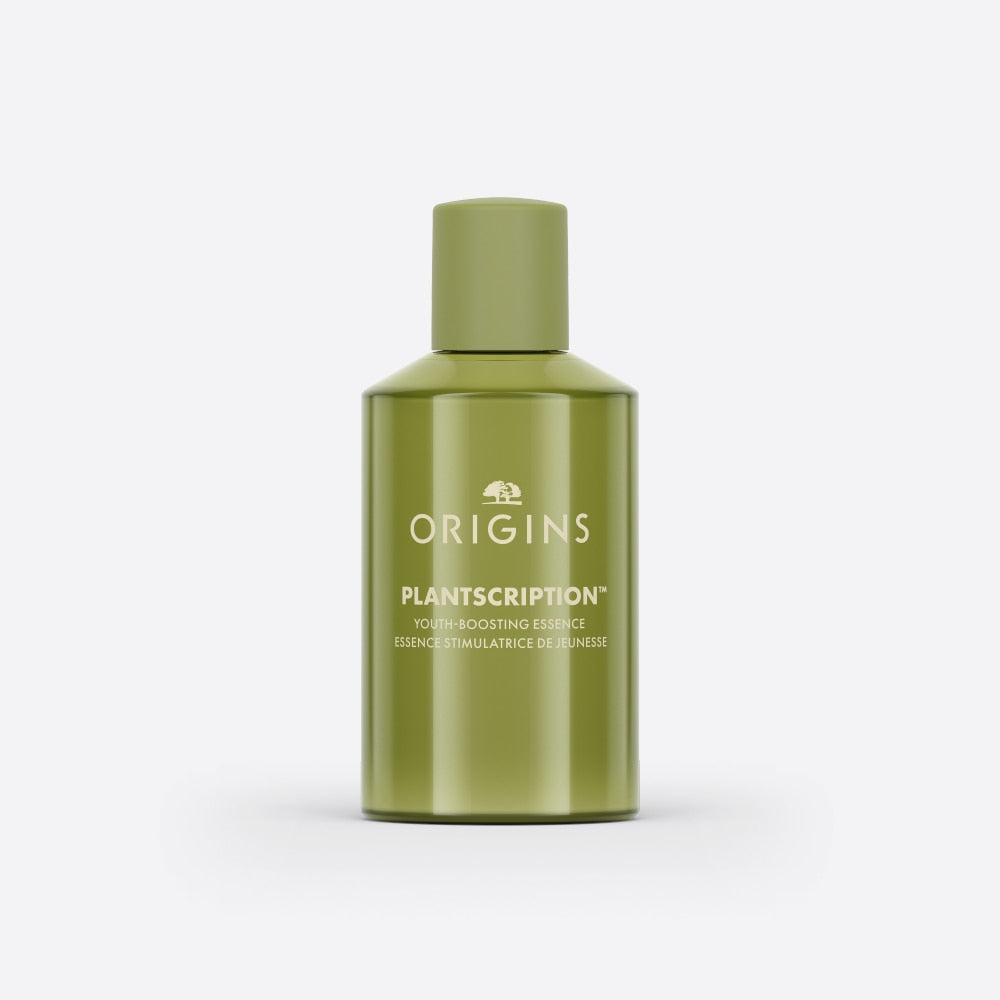
PLANTSCRIPTION_x0099_ YOUTH-BOOSTING ESSENCE

PLANTSCRIPTION_x0099_ YOUTH-BOOSTING ESSENCE
Origins
plantscription-youth-boosting-essence
Tone
9818393018661
Morning or Evening?
How often will you use this product?
Notes


Highlights
WHAT IS IT?
Face essence with 95% naturally derived ingredients
FEATURES
Silk-like texture, rapid absorption, visibly reduces fine lines, improves texture in 2 weeks
BEST FOR
Dry, Oily, Normal, Combination
CHECKS
Free of silicones, drying alcohols, parabens, phthalates, formaldehyde, SLS, mineral oil, petrolatum, paraffin, DEA, polyethylene beads
Who Is It For?
Adults Seeking Anti-aging BenefitsWhat Does It Help With?
Fine Lines Texture Improvement Hydration Skin Plumpness RadianceBudget
Mid-range ($30-$75)How To Use
Which routine should it be used in?
Instructions:
Key Information


What Origins Says
Product Description:
A lightweight face milk that delivers silk-like hydration elevating your routine for smoother, more youthful-looking skin. This silk-like ultra-light face essence preps your skin with youth-boosting hydration. Micro-Fluidized Squalane, combined with Anogeissus and Peptide, penetrates rapidly to visibly reduce fine lines and improve texture in just two weeks.
About the Brand:
Ingredients Overview
Ingredients List
water-aqua-eau, glycerin, glycereth-26, squalane, butylene-glycol, polysorbate-20, anogeissus-leiocarpa-bark-extract, acetyl-hexapeptide-8, sodium-hyaluronate, caffeine, urea, carbomer, polyglyceryl-10-stearate, polyglyceryl-10-laurate, hibiscus-abelmoschus-extract, illicium-verum-fruit-seed-oil, citrus-aurantium-bergamia-fruit-oil, pelargonium-graveolens-flower-oil, lavandula-angustifolia-oil, citrus-limon-peel-oil, carthamus-tinctorius-seed-oil, litsea-cubeba-fruit-oil, citrus-nobilis-peel-oil, myristica-fragrans-kernel-oil, citrus-aurantium-dulcis-peel-oil, rosa-damascena-flower-oil
Key Ingredients
Anogeissus, Micro-Fluidized Squalane Oil, Hyaluronic Acid, Acetyl Hexapeptide-8
Ingredients Details
Acetyl Hexapeptide-8
Common Name(s): Argireline plus,snap-6,acetyl glutamyl hexapeptide-3 modified
CAS Number: 616204-22-9
DESCRIPTION
What It Does: Inhibits neuromuscular acetylcholine release for reduced facial muscle contraction and expression line formation.
Why It's Used: Enhanced argireline analog with improved stability for formulations requiring optimized neuro-inhibiting anti-wrinkle performance.
How It Works: Competes with snap-25 protein for binding to the snare complex, reducing vesicular acetylcholine release at neuromuscular junctions. reduced acetylcholine binding decreases muscle contraction amplitude, reducing expression line depth with repeated use.
Typically Found In: Anti-wrinkle creams,expression line treatments,forehead/eye area products
TECHNICAL DETAILS
Primary Category: Active ingredient – neurotransmitter-inhibiting peptide
Secondary Functions: Enhanced snare inhibition,improved stability
Application Areas:

Facial Skincare

Body Care
Hair Care
Beard Care
Color Cosmetics (Makeup)
Dietary/Oral Supplements
Typical Concentration Range: 3–1000 ppm
SOURCING & ETHICS
Vegan Status: Yes – synthetic
Halal Status: Yes
Source Notes: Synthetically produced. encapsulation may improve delivery to neuromuscular junction.
SKIN COMPATIBILITY
Irritancy Rating: 1/5 – very low
Comedogenicity Rating: 0/5 – non-comedogenic
Sensitivity Concerns: Non-irritating.
Safe for Sensitive Skin: Yes
SAFETY & COMPATIBILITY
Safety Profile: Exceptional safety profile. ewg score: 1.
Works Well With: Hyaluronic acid,ceramides,retinol,moisturizers
Avoid Combining With: No significant incompatibilities
SCIENTIFIC NOTE
Hexapeptide-8 differs from argireline (hexapeptide-3) in its c-terminal modification that increases resistance to enzymatic degradation by skin proteases. this improved stability extends the bioavailability of the active peptide at the neuromuscular junction, potentially improving clinical anti-wrinkle efficacy vs the original argireline.
Last Verified: 2026-03-12
Primary Sources: Cosing database,lipotec argireline plus data
Anogeissus Leiocarpa Bark Extract
Common Name(s): Anogeissus leiocarpa bark extract
DESCRIPTION
What It Does: Provides antioxidant protection, soothing anti-inflammatory effects, and skin-conditioning benefits through plant-derived polyphenols and phytochemicals.
Why It's Used: Plant extracts concentrate bioactive phytochemicals evolved for environmental protection — uv, microbial, and oxidative stressors — that translate to skin benefits.
How It Works: Polyphenols (flavonoids, phenolic acids) inhibit nf-κb-mediated inflammatory signaling, scavenge reactive oxygen species through electron donation, and chelate pro-oxidant metal ions to reduce oxidative skin damage.
Typically Found In: Serums,toners,moisturizers,masks,essences
TECHNICAL DETAILS
Primary Category: Botanical extracts
Secondary Functions: Antioxidant,anti-inflammatory
Application Areas:
Facial Skincare
Body Care
Hair Care
Beard Care
Color Cosmetics (Makeup)
Dietary/Oral Supplements
Typical Concentration Range: 0.1–10%
SOURCING & ETHICS
Vegan Status: Yes
Halal Status: Yes
Source Notes: Plant-derived extract; no animal components.
SKIN COMPATIBILITY
Irritancy Rating: 1
Comedogenicity Rating: 0
Sensitivity Concerns: Low sensitization potential at recommended use concentrations.
Safe for Sensitive Skin: Yes
SAFETY & COMPATIBILITY
Safety Profile: Well-characterized cosmetic ingredient with established safety profile. generally non-irritating at typical use concentrations. suitable for leave-on and rinse-off cosmetics.
Works Well With: Niacinamide,hyaluronic acid,vitamin c,ceramides
Avoid Combining With: Strong oxidizing agents
SCIENTIFIC NOTE
Plant secondary metabolites (flavonoids, terpenes, phenolic acids) are biosynthesized as defense compounds against uv, herbivores, and pathogens. their anti-inflammatory activity typically derives from competitive inhibition of cox-2 and 5-lox enzymes (ic50 1–50 µm), while antioxidant activity involves single electron transfer (set) and hydrogen atom transfer (hat) mechanisms with structure-dependent rate constants.
Last Verified: 2025-01-15
Primary Sources: Cosing eu database; pcpc cosmetic ingredient safety reviews; phytochemical and ethnobotanical literature
Butylene Glycol
Common Name(s): 1,3-butanediol,bg,1,3-butylene glycol
CAS Number: 107-88-0
DESCRIPTION
What It Does: Provides humectant hydration and active ingredient solubilization with excellent skin feel.
Why It's Used: Preferred glycol humectant in premium and k-beauty formulations for superior skin feel vs propylene glycol with equivalent functionality.
How It Works: Two hydroxyl groups at 1,3-positions provide water binding and solvent activity. better tolerated than propylene glycol with minimal sensitization risk. 4-carbon backbone provides slightly greater hydrophobic character enabling dissolution of less polar actives vs pg.
Typically Found In: Toners,essences,serums,k-beauty formulas
TECHNICAL DETAILS
Primary Category: Functional ingredient – glycol humectant
Secondary Functions: Tewl reduction,skin plumping
Application Areas:
Facial Skincare
Body Care
Hair Care
Beard Care
Color Cosmetics (Makeup)
Dietary/Oral Supplements
Typical Concentration Range: 1%–10%
SOURCING & ETHICS
Vegan Status: Yes – synthetic
Halal Status: Yes
Source Notes: Synthetic or naturally derived. excellent aqueous solubility.
SKIN COMPATIBILITY
Irritancy Rating: 1/5 – very low
Comedogenicity Rating: 0/5 – non-comedogenic
Sensitivity Concerns: Non-irritating; suitable for all skin types.
Safe for Sensitive Skin: Yes
SAFETY & COMPATIBILITY
Safety Profile: Excellent safety profile. ewg score: 1.
Works Well With: Ceramides,emollients,occlusives,glycerin,hyaluronic acid
Avoid Combining With: No significant incompatibilities
SCIENTIFIC NOTE
K-beauty's preference for butylene glycol over propylene glycol is driven by two factors: bg's superior skin feel (less tacky than pg's higher viscosity) and its lower sensitization potential (1,3-bg has better spatial distribution of hydroxyl groups that reduces protein interaction vs pg's 1,2-position oh groups).
Last Verified: 2026-03-12
Primary Sources: Cosing database,cir safety assessment
Caffeine
Common Name(s): Caffeine,methylxanthine anti-cellulite,antioxidant vasoactive
CAS Number: N/a
DESCRIPTION
What It Does: Stimulates lipolysis in adipocytes by inhibiting phosphodiesterase (preventing camp breakdown), reduces eye puffiness through vasoconstriction of periorbital capillaries, and provides antioxidant dna repair stimulation for photoprotective benefit.
Why It's Used: The only cosmetic active with a well-defined mechanism for anti-cellulite claims — phosphodiesterase inhibition elevating adipocyte camp is the documented biochemical pathway, providing mechanism-based efficacy substantiation superior to most slimming actives.
How It Works: Caffeine inhibits phosphodiesterase (pde3, pde4) preventing camp hydrolysis → elevated camp activates protein kinase a → phosphorylates hormone-sensitive lipase → lipolysis of triglycerides in adipocytes. for eye puffiness: caffeine's adenosine receptor antagonism reduces prostaglandin-mediated capillary dilation in periorbital tissue, reducing fluid accumulation.
Typically Found In: Anti-cellulite,eye creams,antioxidant products
TECHNICAL DETAILS
Primary Category: Active ingredient – antioxidant
Secondary Functions: Free radical scavenging,anti-aging
Application Areas:
Facial Skincare
Body Care
Hair Care
Beard Care
Color Cosmetics (Makeup)
Dietary/Oral Supplements
Typical Concentration Range: 0.1%–3%
SOURCING & ETHICS
Vegan Status: Conditional - supplier confirmation required
Halal Status: Unverified - supplier confirmation required
Source Notes: Plant-derived extract or synthetic. [audit 2026-07-29 rev2: status downgraded on audit. determination requires shariah-panel sign-off.]
SKIN COMPATIBILITY
Irritancy Rating: 1/5 – very low
Comedogenicity Rating: 0/5 – non-comedogenic
Sensitivity Concerns: Non-irritating; well-tolerated.
Safe for Sensitive Skin: Yes
SAFETY & COMPATIBILITY
Safety Profile: Excellent safety profile. ewg score: 1.
Works Well With: Vitamin c,vitamin e,ferulic acid,spf,other antioxidants
Avoid Combining With: No significant incompatibilities
SCIENTIFIC NOTE
Caffeine has one of the highest sc penetration rates of any cosmetic active (logp -0.07, mw 194 da) — the combination of small size and moderate logp providing excellent aqueous solubility with sufficient sc lipid partitioning for effective transdermal delivery to adipose tissue.
Last Verified: 2026-03-12
Primary Sources: Cosing database,caffeine pde inhibitor anti-cellulite lipolysis review