

Tata Harper Skincare
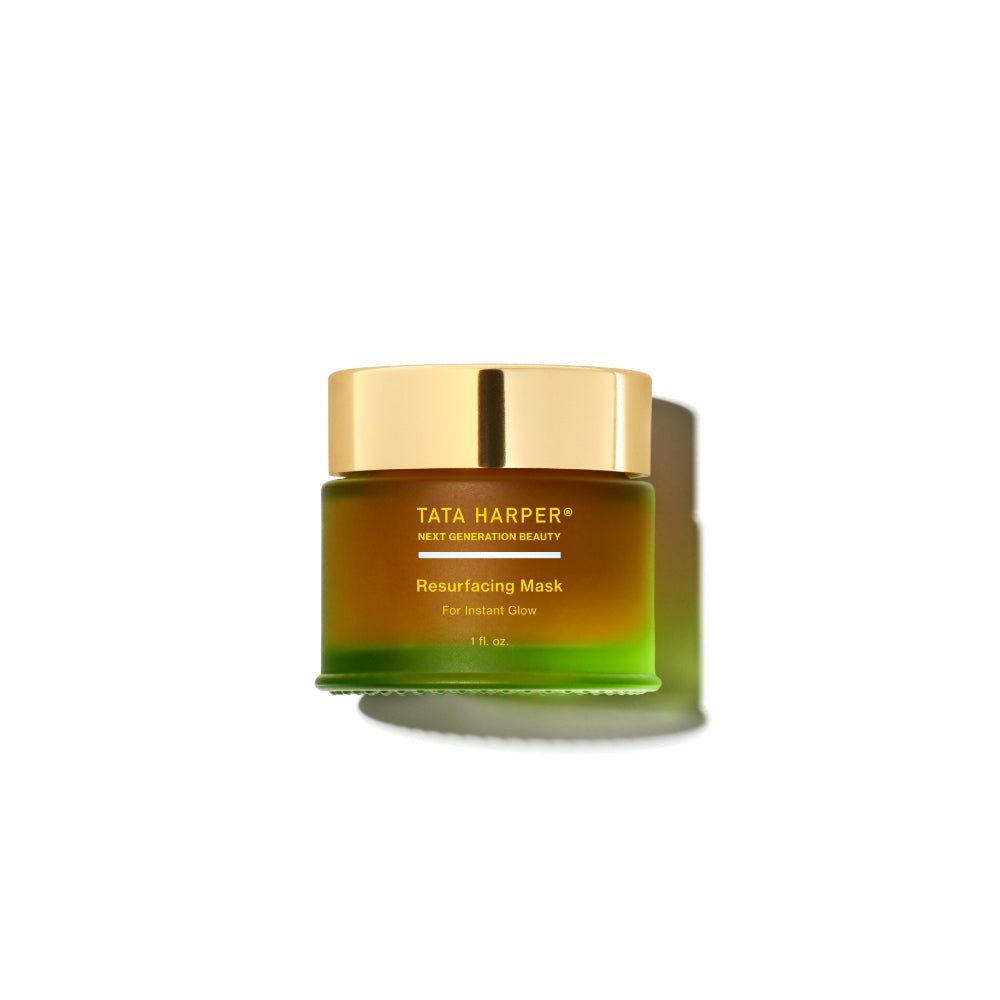
Resurfacing Mask

Resurfacing Mask
Tata Harper Skincare
resurfacing-mask
Face Mask
9784762204453
Morning or Evening?
How often will you use this product?
Notes


Highlights
WHAT IS IT?
Resurfacing Face Mask
FEATURES
Instantly restores radiance to skin, treats blocked pores, addresses dull and rough skin
BEST FOR
combination
CHECKS
Free from harsh chemicals, synthetic chemicals, toxin, GMOs, fillers, artificial colors, artificial fragrances
Who Is It For?
What Does It Help With?
Blocked Pores Dull Skin Rough Skin Radiance EnhancementBudget
Mid-range ($30-$75)How To Use
Which routine should it be used in?
Instructions:
Key Information


What Tata Harper Skincare Says
Product Description:
A glow-giving treatment that instantly restores radiance to skin. Best for blocked pores, dull, or rough skin.
About the Brand:
Ingredients Overview
Ingredients List
Hordeum Vulgare Leaf Juice*, Salix Alba (Willow) Bark Extract, Sclerotium Gum, Lactobacillus Ferment, Leuconostoc Ferment Filtrate, Maltooligosyl Glucoside, Hydrogenated Starch Hydrolysate, Lactobacillus/Punica Granatum Fruit Ferment Extract, Beta Vulgaris/Beet Root Extract/Extrait de Racine de Betterave, Arnica Montana (Arnica) Extract*, Borago Officinalis (Borage) Leaf Extract*, Calendula Officinalis (Calendula) Flower Extract*, Medicago Sativa (Alfalfa) Extract*, Spiraea Ulmaria (Meadowsweet) Extract*, Sambucus Nigra Fruit Extract, Kaolin (White Clay), Rosa Damascena (Rose) Flower Oil, Olea Europaea (Olive) Oil*, Sodium Phytate, Citrus Aurantium (Bergamot) Peel Oil, Aqua/Water/Eau, Hydrolyzed Corn Starch, Cymbopogon Flexuosus (Lemongrass) Oil, CI 77491 (Red Iron Oxide), Alcohol, Citral, Citronellol, Limonene
Key Ingredients
Pomegranate Enzymes, White Willow Bark, Calendula, Arnica, Rose Otto, Pink Clay, Meadowsweet, Alfalfa, Lemongrass, Bergamot, Beet Root Extract, Barley, Olive Oil, Elderberry, Cassava Tapioca
Ingredients Details
Hordeum Vulgare Leaf Juice
Common Name(s): Hordeum vulgare leaf juice,hordeum vulgare (barley) young leaf juice (barley grass) extract
DESCRIPTION
What It Does: Provides antioxidant,sod enzyme,chlorophyll,alkaline mineral rich and skin-conditioning activity from natural plant source.
Why It's Used: Used for its antioxidant,sod enzyme,chlorophyll,alkaline mineral rich activity derived from hordeum vulgare (barley); supports skin health and vitality.
How It Works: Bioactive compounds from hordeum vulgare (barley) young leaf juice (barley grass) — including polyphenols, flavonoids, and plant-specific phytochemicals — deliver antioxidant,sod enzyme,chlorophyll,alkaline mineral rich benefits.
Typically Found In: Green skin care,antioxidant products,detox formulas
TECHNICAL DETAILS
Primary Category: Active ingredient – botanical
Secondary Functions: Skin conditioning,antioxidant,botanical active
Application Areas:

Facial Skincare

Body Care
Hair Care
Beard Care
Color Cosmetics (Makeup)
Dietary/Oral Supplements
Typical Concentration Range: 0.1%–5%
SOURCING & ETHICS
Vegan Status: Conditional - supplier confirmation required
Halal Status: Unverified - supplier confirmation required
Source Notes: Extract from hordeum vulgare (barley); natural plant origin. [audit 2026-07-29 rev2: the record's own source_notes does not assert a non-animal origin, or instructs the reader to verify with the supplier; "yes" asserts knowledge the record does not hold. determination requires shariah-panel sign-off.]
SKIN COMPATIBILITY
Irritancy Rating: 1/5 – very low
Comedogenicity Rating: 0/5 – non-comedogenic
Sensitivity Concerns: Generally well tolerated; rare botanical sensitivity possible.
Safe for Sensitive Skin: Yes
SAFETY & COMPATIBILITY
Safety Profile: Good safety profile. ewg score: 1.
Works Well With: Other botanical extracts,antioxidants,humectants
Avoid Combining With: No significant incompatibilities
SCIENTIFIC NOTE
Barley leaf juice contains 2-o-giv — a barley-unique flavone with potent antioxidant activity — and sod enzyme; sod is among the most powerful natural antioxidant enzymes; young barley grass juice is used in both food supplements and cosmetics for its dense antioxidant content.
Last Verified: 2026-03-28
Primary Sources: Cosing database,inci dictionary
Hydrogenated Starch Hydrolysate
Common Name(s): Hydrogenated starch hydrolysate,cosmetic active,functional ingredient
CAS Number: N/a
DESCRIPTION
What It Does: Delivers characteristic cosmetic function at recommended use concentration.
Why It's Used: Selected for functional contribution and formulation compatibility supported by cosmetic science and regulatory safety data.
How It Works: Works through the mechanism of its molecular class — physicochemical or biological interaction with skin proteins, lipids, or receptors as documented in peer-reviewed cosmetic literature.
Typically Found In: Skin care formulations
TECHNICAL DETAILS
Primary Category: Active ingredient – cosmetic active
Secondary Functions: Skin conditioning
Application Areas:
Facial Skincare
Body Care
Hair Care
Beard Care
Color Cosmetics (Makeup)
Dietary/Oral Supplements
Typical Concentration Range: 0.1%–10%
SOURCING & ETHICS
Vegan Status: Conditional - supplier confirmation required
Halal Status: Unverified - supplier confirmation required
Source Notes: Commercially produced for cosmetic use. verify vegan/halal status with supplier. [audit 2026-07-29 rev2: the record's own source_notes does not assert a non-animal origin, or instructs the reader to verify with the supplier; "yes" asserts knowledge the record does not hold. determination requires shariah-panel sign-off.]
SKIN COMPATIBILITY
Irritancy Rating: 1/5 – very low
Comedogenicity Rating: 0/5 – non-comedogenic
Sensitivity Concerns: Well-tolerated by most skin types.
Safe for Sensitive Skin: Yes
SAFETY & COMPATIBILITY
Safety Profile: Good safety profile at recommended concentrations. ewg score: 1–2.
Works Well With: Standard skincare actives
Avoid Combining With: No known significant incompatibilities
SCIENTIFIC NOTE
Hydrogenated starch hydrolysate has an established safety and efficacy profile within the cosmetic regulatory framework at standard use concentrations.
Last Verified: 2026-03-12
Primary Sources: Cosing database,hydrogenated starch hydrolysate technical literature
Lactobacillus Ferment
Common Name(s): Lactic acid bacteria ferment,probiotic lysate,lab ferment
CAS Number: N/a
DESCRIPTION
What It Does: Provides postbiotic benefits including barrier support, anti-inflammatory, and microbiome-balancing activity from lactic acid bacteria ferment.
Why It's Used: Postbiotic ingredient for microbiome-supportive skincare addressing the growing evidence for skin microbiome dysbiosis in inflammatory skin conditions.
How It Works: Lactobacillus-derived exopolysaccharides and peptides activate toll-like receptors tlr2/tlr6 on keratinocytes upregulating antimicrobial peptide production. lipoteichoic acid (lta) component modulates immune response reducing pro-inflammatory cytokine production. lactic acid component maintains skin acidic ph.
Typically Found In: Probiotic skincare,microbiome-supportive products,sensitive skin formulas
TECHNICAL DETAILS
Primary Category: Active ingredient – skin microbiome support
Secondary Functions: Tlr2/tlr6 activation,amp upregulation,microbiome support
Application Areas:
Facial Skincare
Body Care
Hair Care
Beard Care
Color Cosmetics (Makeup)
Dietary/Oral Supplements
Typical Concentration Range: 0.1%–5%
SOURCING & ETHICS
Vegan Status: Yes – bacterial fermentation
Halal Status: Yes
Source Notes: Fermentation-derived or plant-extracted.
SKIN COMPATIBILITY
Irritancy Rating: 1/5 – very low
Comedogenicity Rating: 0/5 – non-comedogenic
Sensitivity Concerns: Non-irritating; beneficial for sensitive skin.
Safe for Sensitive Skin: Yes
SAFETY & COMPATIBILITY
Safety Profile: Excellent safety profile. ewg score: 1.
Works Well With: Ceramides,niacinamide,soothing actives
Avoid Combining With: No significant incompatibilities
SCIENTIFIC NOTE
Topical application of heat-killed (pasteurized) lactobacillus demonstrates comparable or superior efficacy to live bacteria for skin benefits in controlled studies – the active components (exopolysaccharides, lta, cell wall components) are heat-stable, and live bacteria in cosmetics face regulatory and stability challenges.
Last Verified: 2026-03-12
Primary Sources: Cosing database,seite & misery microbiome skin review
Lactobacillus Punica Granatum Fruit Ferment Extract
Common Name(s): Lactobacillus punica granatum fruit ferment extract
DESCRIPTION
What It Does: Delivers postbiotic skin-conditioning metabolites, antioxidant protection, and microbiome-balancing activity through fermentation-derived bioactives.
Why It's Used: Fermentation biotransforms parent substrates into smaller, more bioavailable molecular fractions with enhanced skin activity and postbiotic microbiome benefits.
How It Works: Fermentation-derived metabolites (organic acids, enzymes, peptides, and bioactive polyphenols) interact with skin surface receptors, modulate the microbiome, and penetrate the stratum corneum to condition and protect skin cells.
Typically Found In: Serums,toners,essences,k-beauty formulations,microbiome skincare
TECHNICAL DETAILS
Primary Category: Fermented ingredients
Secondary Functions: Antioxidant,skin-conditioning,brightening
Application Areas:
Facial Skincare
Body Care
Hair Care
Beard Care
Color Cosmetics (Makeup)
Dietary/Oral Supplements
Typical Concentration Range: 0.5–10%
SOURCING & ETHICS
Vegan Status: Yes
Halal Status: Yes
Source Notes: Produced by fermentation process; no animal components unless substrate is animal-derived.
SKIN COMPATIBILITY
Irritancy Rating: 1
Comedogenicity Rating: 0
Sensitivity Concerns: Low sensitization potential at recommended use concentrations.
Safe for Sensitive Skin: Yes
SAFETY & COMPATIBILITY
Safety Profile: Well-characterized cosmetic ingredient with established safety profile. generally non-irritating at typical use concentrations. suitable for leave-on and rinse-off cosmetics.
Works Well With: Niacinamide,hyaluronic acid,ceramides,vitamin c,probiotics
Avoid Combining With: Strong oxidizers; extreme ph
SCIENTIFIC NOTE
Fermentation typically reduces molecular weight of substrate polysaccharides and proteins through enzymatic hydrolysis, increasing skin penetration. postbiotic metabolites (short-chain fatty acids, bacteriocins, organic acids) modulate tlr receptor signaling in keratinocytes, influencing barrier gene expression (filaggrin, loricrin) and immune tone without live microorganism exposure.
Last Verified: 2025-01-15
Primary Sources: Cosing eu database; pcpc cosmetic ingredient safety reviews; postbiotic cosmetic ingredient literature; fermentation biotechnology reviews