

Inkey List
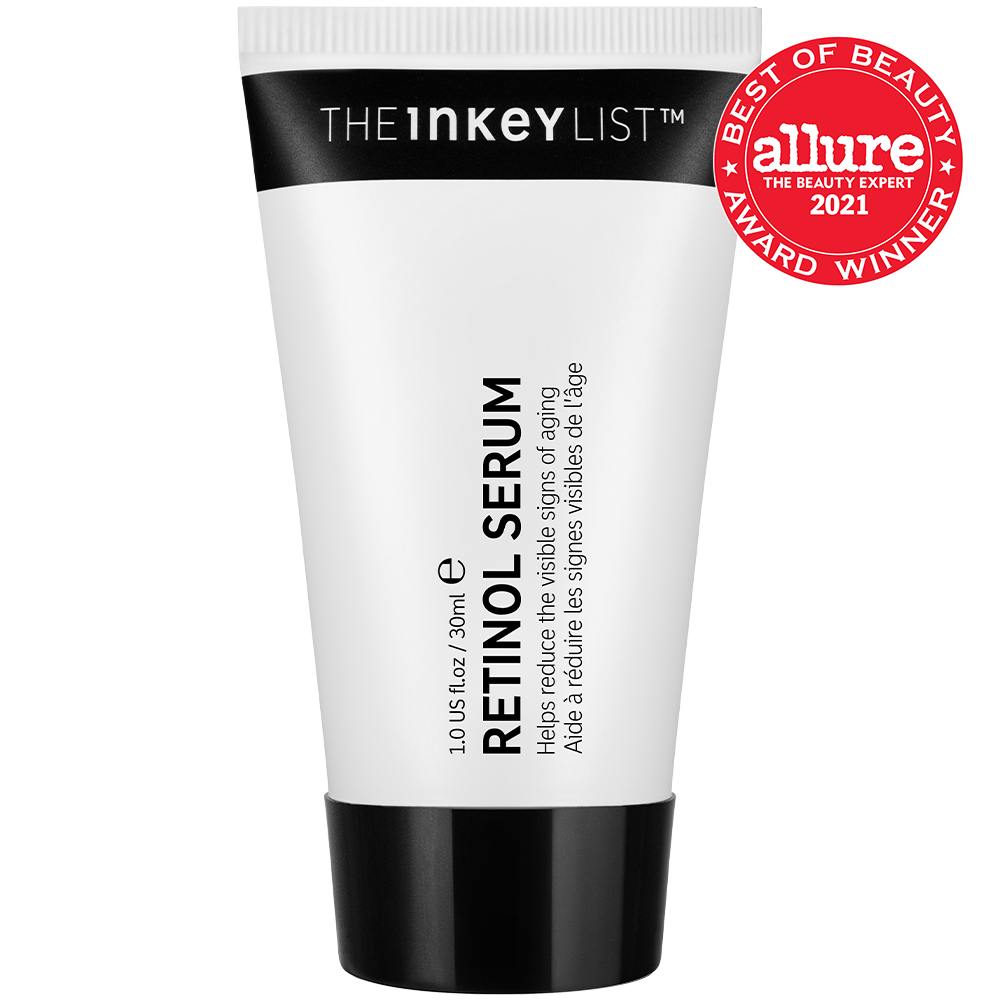
Retinol Serum

Retinol Serum
Inkey List
retinol-serum
Serum
9784790319397
Morning or Evening?
How often will you use this product?
Notes


Highlights
WHAT IS IT?
Retinol serum with slow-release retinyl acetate
FEATURES
Slow-release formula, gentle anti-aging, improves skin texture and tone
BEST FOR
combination
CHECKS
Gentle formula suitable for beginners
Who Is It For?
Adults With First Signs Of AgingWhat Does It Help With?
Fine Lines Wrinkles Hyperpigmentation Uneven Skin Tone Dull SkinBudget
Affordable (under $30)How To Use
Which routine should it be used in?
Instructions:
Key Information


What Inkey List Says
Product Description:
The ideal Retinol for beginners to introduce your skin to this powerful ingredient. Specially formulated with a slow-release, less irritating form of Retinol, targets first signs of aging and hyperpigmentation, visibly improving fine lines, wrinkles and overall skin tone and texture.
About the Brand:
Ingredients Overview
Ingredients List
retinyl-acetate, squalane
Key Ingredients
retinyl acetate, squalane
Ingredients Details
Retinyl Acetate
Common Name(s): Vitamin a acetate,retinol acetate
CAS Number: 127-47-9
DESCRIPTION
What It Does: Delivers vitamin a cell renewal and collagen support with less irritation than retinol.
Why It's Used: Stable, gentle retinoid ester where tolerability is prioritized over potency.
How It Works: Hydrolyzed by skin esterases to retinol, then converted via two oxidation steps to retinoic acid.
Typically Found In: Anti-aging creams,night serums,eye creams
TECHNICAL DETAILS
Primary Category: Active ingredient – vitamin a derivative
Secondary Functions: Collagen support,antioxidant
Application Areas:

Facial Skincare
Body Care

Hair Care
Beard Care
Color Cosmetics (Makeup)
Dietary/Oral Supplements
Typical Concentration Range: 0.01%–0.5%
SOURCING & ETHICS
Vegan Status: Conditional - feedstock declaration required
Halal Status: Unverified - feedstock declaration required (plant, animal and petrochemical routes all exist)
Source Notes: Predominantly synthetic. requires opaque, airless packaging. [audit 2026-07-29 rev2: origin-dependent: the same inci exists in plant, animal and petrochemical versions and the name does not discriminate. determination requires shariah-panel sign-off.]
SKIN COMPATIBILITY
Irritancy Rating: 1/5 – very low
Comedogenicity Rating: 0/5 – non-comedogenic
Sensitivity Concerns: Introduce slowly; retinization expected at higher potencies.
Safe for Sensitive Skin: Yes
SAFETY & COMPATIBILITY
Safety Profile: Safe at cosmetic concentrations. use spf. avoid during pregnancy. ewg score: 2.
Works Well With: Niacinamide,ceramides,hyaluronic acid,spf,tocopherol
Avoid Combining With: Pregnancy; extended uv without spf; benzoyl peroxide
SCIENTIFIC NOTE
Requires enzymatic acetate cleavage before retinol is available – an extra step vs retinyl palmitate, which may marginally reduce irritation risk.
Last Verified: 2026-03-12
Primary Sources: Cosing database,cir safety assessment
Squalane
Common Name(s): Perhydrosqualene,2,6,10,15,19,23-hexamethyltetracosane
CAS Number: 0111-01-03
DESCRIPTION
What It Does: Provides endogenous-skin-identical emolliency with exceptional stability and skin compatibility.
Why It's Used: The most skin-compatible emollient – chemically identical to human sebum squalene component with outstanding tolerability across all skin types.
How It Works: Fully saturated hydrocarbon with zero oxidation sites provides exceptional stability unlike squalene's 6 double bonds. integrates into stratum corneum lipid bilayers with near-perfect biocompatibility. provides antioxidant protection to formulation via radical quenching.
Typically Found In: Facial oils,serums,non-comedogenic moisturizers,luxury body care
TECHNICAL DETAILS
Primary Category: Functional ingredient – emollient
Secondary Functions: Maximum biocompatibility,antioxidant stabilizer,non-comedogenic
Application Areas:
Facial Skincare
Body Care
Hair Care
Beard Care
Color Cosmetics (Makeup)
Dietary/Oral Supplements
Typical Concentration Range: 1%–100%
SOURCING & ETHICS
Vegan Status: Conditional - feedstock declaration required
Halal Status: Unverified - feedstock declaration required (plant, animal and petrochemical routes all exist)
Source Notes: Sustainable plant-derived squalane from sugarcane fermentation (amyris) or olive oil fractionation is preferred over shark liver-derived. chemically identical regardless of source. [audit 2026-07-29 rev2: origin-dependent: the same inci exists in plant, animal and petrochemical versions and the name does not discriminate. determination requires shariah-panel sign-off.]
SKIN COMPATIBILITY
Irritancy Rating: 1/5 – very low
Comedogenicity Rating: 0/5 – non-comedogenic
Sensitivity Concerns: Non-irritating.
Safe for Sensitive Skin: Yes
SAFETY & COMPATIBILITY
Safety Profile: Excellent safety profile. ewg score: 1.
Works Well With: Humectants,ceramides,actives as carrier
Avoid Combining With: No significant incompatibilities
SCIENTIFIC NOTE
Squalene constitutes approximately 12-15% of human sebum – the highest proportion of any skin lipid. topical squalane (stable, hydrogenated form) replenishes this abundant endogenous skin lipid. the complete absence of oxidizable double bonds (unlike squalene's 6 double bonds) eliminates the pro-oxidant concerns of natural squalene oxidation.
Last Verified: 2026-03-12
Primary Sources: Cosing database,huang et al. squalane review,cir safety assessment