

Riyo Herbs
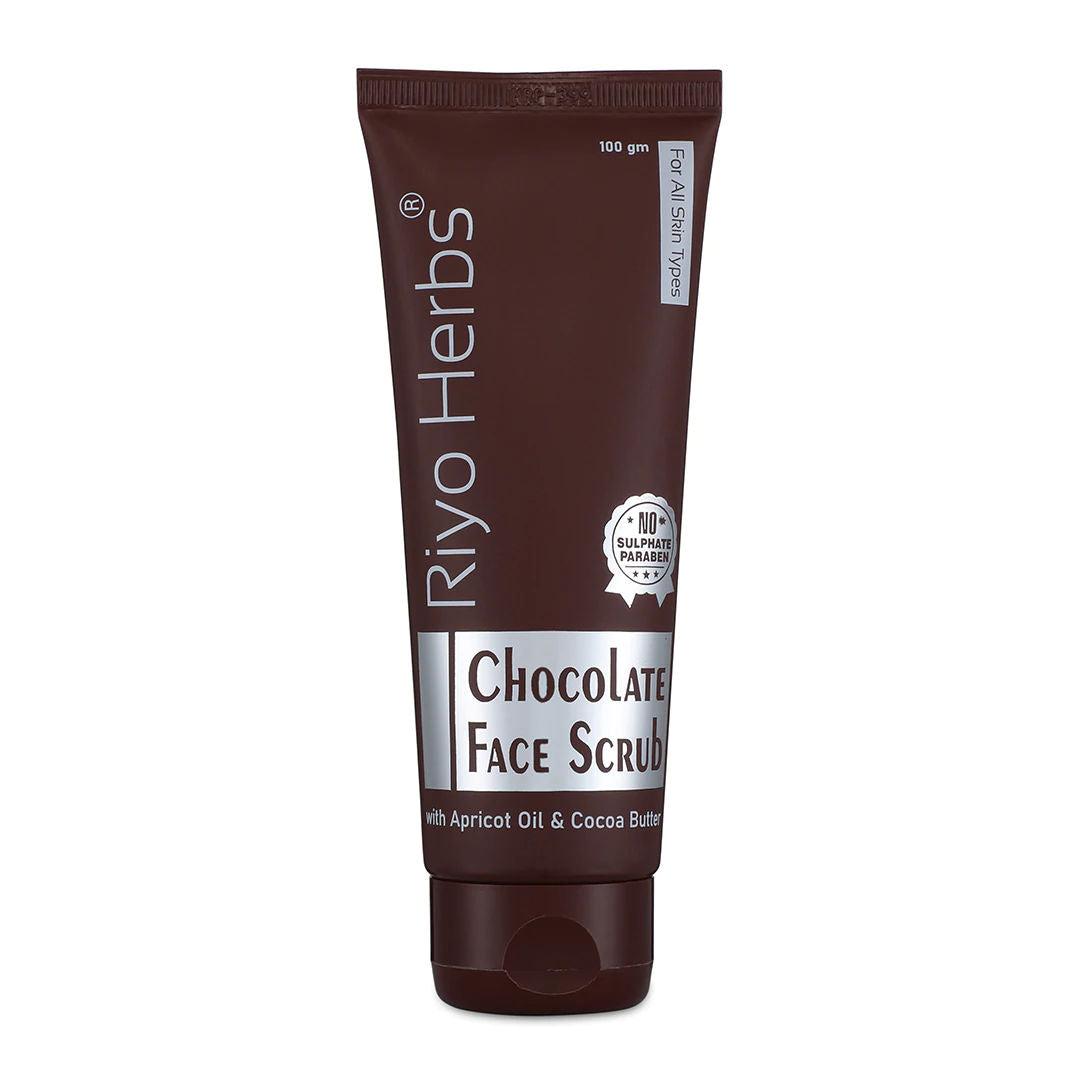
Riyo Herbs Chocolate Face Scrub with Cocoa Butter helps Dark Spots Reduction

Riyo Herbs Chocolate Face Scrub with Cocoa Butter helps Dark Spots Reduction
Riyo Herbs
riyo-herbs-chocolate-face-scrub-with-cocoa-butter-helps-dark-spots-reduction
Exfoliation
10084925407525
Morning or Evening?
How often will you use this product?
Notes


Highlights
WHAT IS IT?
Face scrub with 15 ingredients
FEATURES
Detoxifies skin, unclogs pores, gently exfoliates dead skin cells, enriched with cocoa powder, cocoa butter, shea butter, aloe vera, honey, almond oil, olive oil, jojoba oil, apricot oil, caffeine boosts skin elasticity, diminishes dark spots and blemishes, walnut beads cleanse and nourish skin, enhances blood flow, moisturizes and hydrates, reduces puffiness and inflammation, suitable for all skin types, free from parabens and sulphates
BEST FOR
all skin types
CHECKS
Parabens, Sulphates
Who Is It For?
All Genders No Specific Age Range MentionedWhat Does It Help With?
Dark Spots Reduction Exfoliation Hydration Skin Radiance Puffiness And Inflammation Reduction Unclog PoresBudget
Affordable (under $30)How To Use
Which routine should it be used in?
Instructions:
Key Information


What Riyo Herbs Says
Product Description:
Riyo Herbs Chocolate Face Scrub comes with the goodness of cocoa butter, apricot oil, olive oil, shea butter and walnut beads which gently exfoliates and makes skin look radiant. Facial scrub that detoxifies skin, unclogs pores while also gently exfoliating dead skin cells. Enriched with the goodness of cocoa powder, cocoa butter, shea butter, aloe vera extract, honey, almond oil, olive oil, jojoba oil and apricot oil. Caffeine boosts up the elasticity in skin and diminishes dark spots and blemishes. Walnut beads cleanses, nourishes and makes your skin hydrated and healthy from inside out. Enhances blood flow effectively for a more radiant looking skin. Keeps your skin moisturized and hydrated after scrubbing. Reduces puffiness and inflammation. Gives you clear and healthy looking skin. Suitable for all skin types. Free from parabens and sulphates.
About the Brand:
Ingredients Overview
Ingredients List
aqua,stearic-acid,cetyl-alcohol,glyceryl-stearate,peg-100-stearate,emulsifying-wax,liquid-light-paraffin,propylene-glycol,honey,almond-oil,olive-oil,jojoba-oil,apricot-oil,butylated-hydroxytoluene,phenoxyethanol,disodium-edta,sodium-benzoate,aloe-vera-extract,shea-butter,cocoa-butter,cocoa-powder,fragrance
Key Ingredients
Cocoa Powder, Cocoa Butter, Shea Butter, Aloe Vera Extract, Honey, Almond Oil, Olive Oil, Apricot Oil, Jojoba Oil
Ingredients Details
Fragrance
Common Name(s): Fragrance ingredient,eu allergen or aromatic component,olfactory/flavour
CAS Number: N/a
DESCRIPTION
What It Does: Provides the complete fragrance profile contributing to product sensory experience and consumer appeal.
Why It's Used: Fragrance is a major consumer purchase driver — up to 70% of consumers make purchasing decisions partially based on product scent.
How It Works: Fragrance blends interact with olfactory receptors providing the sensory profile — complex mixtures activate multiple receptor types for rich, multidimensional scent experiences.
Typically Found In: All fragrance products
TECHNICAL DETAILS
Primary Category: Active ingredient – cosmetic active
Secondary Functions: Skin conditioning
Application Areas:

Facial Skincare

Body Care
Hair Care
Beard Care
Color Cosmetics (Makeup)
Dietary/Oral Supplements
Typical Concentration Range: Standard use levels
SOURCING & ETHICS
Vegan Status: Conditional
Halal Status: Yes
Source Notes: Commercially produced for cosmetic use. verify vegan/halal status with supplier.
SKIN COMPATIBILITY
Irritancy Rating: 1/5 – very low
Comedogenicity Rating: 0/5 – non-comedogenic
Sensitivity Concerns: Well-tolerated by most skin types.
Safe for Sensitive Skin: Yes
SAFETY & COMPATIBILITY
Safety Profile: Good safety profile at recommended concentrations. ewg score: 1–2.
Works Well With: Standard skincare actives
Avoid Combining With: No known significant incompatibilities
SCIENTIFIC NOTE
Ifra guidelines set usage limits for fragrance ingredients based on skin sensitisation and phototoxicity assessment for each application category.
Last Verified: Eu regulation 1223/2009 annex iii,ifra standards,fragrance allergen declaration requirements
Primary Sources: 2026-03-12
Honey
Common Name(s): Honey,bee-derived humectant antimicrobial,wound healing active
CAS Number: N/a
DESCRIPTION
What It Does: Provides humectant moisture retention from the hygroscopic fructose/glucose matrix, antimicrobial activity from enzymatically generated h₂o₂ and (in manuka) methylglyoxal, anti-inflammatory activity from phenolic compounds, and wound healing promotion from growth factor activation.
Why It's Used: Honey is the only food-derived ingredient with documented clinical wound healing efficacy in medical grade form (medihoney) — combining humectancy, antimicrobial, anti-inflammatory, and healing activity in a gras, consumer-familiar ingredient.
How It Works: Glucose oxidase in honey catalyses glucose + o₂ → gluconolactone + h₂o₂ — providing sustained low-level h₂o₂ generation that provides bactericidal activity without tissue toxicity. manuka honey's methylglyoxal (mgo) provides additional non-peroxide antimicrobial activity through protein glycation of bacterial enzymes.
Typically Found In: Wound care,anti-aging,humectant products
TECHNICAL DETAILS
Primary Category: Active ingredient – cosmetic active
Secondary Functions: Skin conditioning
Application Areas:
Facial Skincare
Body Care
Hair Care
Beard Care
Color Cosmetics (Makeup)
Dietary/Oral Supplements
Typical Concentration Range: 1%–20%
SOURCING & ETHICS
Vegan Status: No – bee-derived
Halal Status: Conditional
Source Notes: Commercially produced for cosmetic use. verify vegan/halal status with supplier.
SKIN COMPATIBILITY
Irritancy Rating: 1/5 – very low
Comedogenicity Rating: 0/5 – non-comedogenic
Sensitivity Concerns: Well-tolerated by most skin types.
Safe for Sensitive Skin: Yes
SAFETY & COMPATIBILITY
Safety Profile: Good safety profile at recommended concentrations. ewg score: 1–2.
Works Well With: Standard skincare actives
Avoid Combining With: No known significant incompatibilities
SCIENTIFIC NOTE
Manuka honey's unique mānuka factor (umf) grades correlate with methylglyoxal (mgo) concentration — umf10+ (mgo 263 mg/kg) provides bactericidal activity against mrsa at concentrations achievable in topical formulation.
Last Verified: Cosing database,honey manuka honey wound healing antimicrobial review
Primary Sources: 2026-03-12
Phenoxyethanol
Common Name(s): 2-phenoxyethanol,rose ether,ethylene glycol monophenyl ether
CAS Number: 122-99-6
DESCRIPTION
What It Does: Prevents microbial contamination and spoilage in cosmetic formulations.
Why It's Used: The benchmark cosmetic preservative – eu-permitted up to 1%, effective against virtually all cosmetically relevant microorganisms, and excellent tolerability.
How It Works: Phenol ring provides broad antimicrobial activity via disruption of bacterial and fungal cell membranes and inhibition of enzymatic activity. effective against gram-positive and gram-negative bacteria, yeasts (candida), and molds (aspergillus). activity ph range: 3-9.
Typically Found In: All cosmetic formulations as primary preservative
TECHNICAL DETAILS
Primary Category: Functional ingredient – broad-spectrum preservative
Secondary Functions: Skin conditioning
Application Areas:
Facial Skincare
Body Care
Hair Care
Beard Care
Color Cosmetics (Makeup)
Dietary/Oral Supplements
Typical Concentration Range: 0.1%–1% (eu max 1%)
SOURCING & ETHICS
Vegan Status: Yes – synthetic
Halal Status: Yes
Source Notes: Commercially produced for cosmetic use. verify vegan/halal status with supplier.
SKIN COMPATIBILITY
Irritancy Rating: 1/5 – very low
Comedogenicity Rating: 0/5 – non-comedogenic
Sensitivity Concerns: Well-tolerated by most skin types.
Safe for Sensitive Skin: Yes
SAFETY & COMPATIBILITY
Safety Profile: Eu cosmetics regulation max 1%. sccs assessed as safe at ≤1%. avoid use around eyes in baby products per some country regulations. ewg score: 4.
Works Well With: Standard skincare actives
Avoid Combining With: No known significant incompatibilities
SCIENTIFIC NOTE
Phenoxyethanol's widespread adoption as the primary cosmetic preservative followed the phaseout of parabens from many formulations in the 2000s-2010s. despite having a comparable or better safety profile to parabens, it is often cited in 'free-from' formulations – a consumer perception issue rather than a scientific safety concern.
Last Verified: Cosing database,sccs opinion on phenoxyethanol,cir safety assessment
Primary Sources: 2026-03-12
