

Nykaa E retail limited
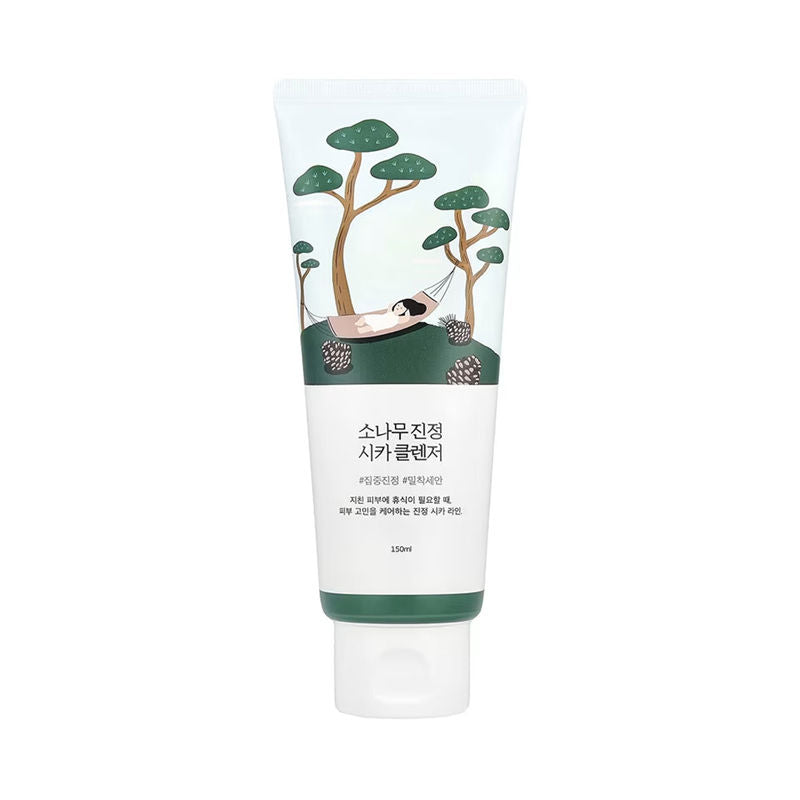
Round Lab Pine Calming Cica Cleanser

Round Lab Pine Calming Cica Cleanser
Nykaa E retail limited
round-lab-pine-calming-cica-cleanser
Cleanse
10084744397093
Morning or Evening?
How often will you use this product?
Notes


Highlights
WHAT IS IT?
cleanser with multiple key extract ingredients
FEATURES
Maintains hydration while gently cleansing the skin, Calms inflammation and reduces redness, Promotes healing for irritated or sensitive skin, Perfect for sensitive skin types needing extra care, Ideal for dry or combination skin, prevents moisture loss
BEST FOR
sensitive
CHECKS
Free from harsh chemicals, artificial fragrances, additives
Who Is It For?
What Does It Help With?
Calming Irritated Sensitive Skin Hydration Redness Reduction Skin Barrier Repair Antioxidant ProtectionBudget
Affordable (under $30)How To Use
Which routine should it be used in?
Instructions:
Key Information


What Nykaa E retail limited Says
Product Description:
Pine Calming Cica Cleanser is a gentle, soothing facial cleanser designed to calm irritated or sensitive skin while providing a deep, yet mild cleanse. Infused with Cica (Centella Asiatica) and pine extract, this cleanser effectively removes dirt, impurities, and makeup without stripping the skin of its natural moisture. Cica helps to heal and repair the skin's barrier, while pine extract offers antioxidant protection and soothing benefits. The creamy formula lathers into a soft foam, delivering a refreshing cleanse that leaves the skin feeling clean, hydrated, and balanced. It works to reduce redness and inflammation, making it ideal for sensitive or acne-prone skin. The calming properties of this cleanser help to alleviate skin stress and promote a clearer, healthier complexion. Free from harsh chemicals, artificial fragrances, and additives, the Pine Calming Cica Cleanser is perfect for daily use.
About the Brand:
Ingredients Overview
Ingredients List
RoundLab-Water, Glycerin, Hydrogenated-Palm-Acid, Potassium-Hydroxide, Potassium-Cocoyl-Glycinate, Camellia-Sinensis-Leaf-Extract, Cladosiphon-Okamuranus-Extract, White-Willow-Bark-Extract, Coffea-Arabica-Seed-Extract, Citrus-Aurantium-Bergamia-Leaf-Extract, Salicylic-Acid, Centella-Asiatica-Leaf-Extract, Pinus-Densiflora-Leaf-Extract, Centella-Asiatica-Extract, Hyaluronic-Acid, Hydrolyzed-Hyaluronic-Acid, Sodium-Hyaluronate, Butylene-Glycol, Ethylhexylglycerin, Gardenia-Florida-Fruit-Extract, Glycoproteins, Capryloyl-Salicylic-Acid, Asiatic-Acid, Asiaticoside, Madecassic-Acid, Madecassoside, Glyceryl-Stearate, Dextrin, Decyl-Glucoside, Acrylates-C10-30-Alkyl-Acrylate-Crosspolymer, 1-2-Hexanediol, Sodium-Phytate
Key Ingredients
Centella-Asiatica, Pinus-Densiflora, Hyaluronic-Acid, Salicylic-Acid
Ingredients Details
1-2-hexanediol
Common Name(s): 1-2-hexanediol,cosmetic active,functional ingredient
CAS Number: N/a
DESCRIPTION
What It Does: Delivers characteristic cosmetic function at recommended use concentration.
Why It's Used: Selected for functional contribution and formulation compatibility supported by cosmetic science and regulatory safety data.
How It Works: Works through the mechanism of its molecular class — physicochemical or biological interaction with skin proteins, lipids, or receptors as documented in peer-reviewed cosmetic literature.
Typically Found In: Skin care formulations
TECHNICAL DETAILS
Primary Category: Active ingredient – cosmetic active
Secondary Functions: Skin conditioning
Application Areas:

Facial Skincare

Body Care
Hair Care
Beard Care
Color Cosmetics (Makeup)
Dietary/Oral Supplements
Typical Concentration Range: 0.1%–10%
SOURCING & ETHICS
Vegan Status: Conditional
Halal Status: Yes
Source Notes: Commercially produced for cosmetic use. verify vegan/halal status with supplier.
SKIN COMPATIBILITY
Irritancy Rating: 1/5 – very low
Comedogenicity Rating: 0/5 – non-comedogenic
Sensitivity Concerns: Well-tolerated by most skin types.
Safe for Sensitive Skin: Yes
SAFETY & COMPATIBILITY
Safety Profile: Good safety profile at recommended concentrations. ewg score: 1–2.
Works Well With: Standard skincare actives
Avoid Combining With: No known significant incompatibilities
SCIENTIFIC NOTE
1-2-hexanediol has an established safety and efficacy profile within the cosmetic regulatory framework at standard use concentrations.
Last Verified: Cosing database,1-2-hexanediol technical literature
Primary Sources: 2026-03-12
Asiaticoside
Common Name(s): Centella asiatica glycoside,asiaticoside b
CAS Number: 16830-15-2
DESCRIPTION
What It Does: Accelerates wound healing and reduces scar formation through fibroblast activation and collagen synthesis stimulation.
Why It's Used: Clinically proven scar reduction and wound healing active – the compound behind centella's legendary wound healing reputation.
How It Works: Promotes fibroblast proliferation and collagen synthesis via tgf-β independent mechanism (distinct from madecassoside). also inhibits hyaluronidase protecting extracellular matrix. antimicrobial activity supports wound healing environment.
Typically Found In: Post-surgical products,scar treatments,wound healing formulations
TECHNICAL DETAILS
Primary Category: Active ingredient – soothing / anti-inflammatory
Secondary Functions: Scar reduction,wound healing,collagen stimulation
Application Areas:
Facial Skincare
Body Care
Hair Care
Beard Care
Color Cosmetics (Makeup)
Dietary/Oral Supplements
Typical Concentration Range: 0.01%–2%
SOURCING & ETHICS
Vegan Status: Yes – centella asiatica derived
Halal Status: Yes
Source Notes: Extracted from centella asiatica aerial parts alongside madecassoside, asiatic acid, and madecassic acid.
SKIN COMPATIBILITY
Irritancy Rating: 1/5 – very low
Comedogenicity Rating: 0/5 – non-comedogenic
Sensitivity Concerns: Non-irritating; ideal for reactive and sensitive skin.
Safe for Sensitive Skin: Yes – particularly recommended for sensitive skin
SAFETY & COMPATIBILITY
Safety Profile: Excellent safety profile. ewg score: 1.
Works Well With: Ceramides,panthenol,allantoin,hyaluronic acid,centella asiatica
Avoid Combining With: No significant incompatibilities
SCIENTIFIC NOTE
Asiaticoside's mechanism of wound healing involves release of aglycone asiatic acid after hydrolysis by skin beta-glucosidases. the glycoside form provides better stratum corneum penetration than the hydrophobic aglycone, acting as a prodrug for the active asiatic acid at the wound healing site.
Last Verified: Cosing database,bylka et al. centella asiatica review
Primary Sources: 2026-03-12
Dextrin
Common Name(s): Dextrin,cosmetic active,functional ingredient
CAS Number: N/a
DESCRIPTION
What It Does: Delivers characteristic cosmetic function at recommended use concentration.
Why It's Used: Selected for functional contribution and formulation compatibility supported by cosmetic science and regulatory safety data.
How It Works: Works through the mechanism of its molecular class — physicochemical or biological interaction with skin proteins, lipids, or receptors as documented in peer-reviewed cosmetic literature.
Typically Found In: Skin care formulations
TECHNICAL DETAILS
Primary Category: Active ingredient – cosmetic active
Secondary Functions: Skin conditioning
Application Areas:
Facial Skincare
Body Care
Hair Care
Beard Care
Color Cosmetics (Makeup)
Dietary/Oral Supplements
Typical Concentration Range: 0.1%–10%
SOURCING & ETHICS
Vegan Status: Conditional
Halal Status: Yes
Source Notes: Commercially produced for cosmetic use. verify vegan/halal status with supplier.
SKIN COMPATIBILITY
Irritancy Rating: 1/5 – very low
Comedogenicity Rating: 0/5 – non-comedogenic
Sensitivity Concerns: Well-tolerated by most skin types.
Safe for Sensitive Skin: Yes
SAFETY & COMPATIBILITY
Safety Profile: Good safety profile at recommended concentrations. ewg score: 1–2.
Works Well With: Standard skincare actives
Avoid Combining With: No known significant incompatibilities
SCIENTIFIC NOTE
Dextrin has an established safety and efficacy profile within the cosmetic regulatory framework at standard use concentrations.
Last Verified: Cosing database,dextrin technical literature
Primary Sources: 2026-03-12
Ethylhexylglycerin
Common Name(s): Octylglycerin,2-ethylhexyl glycerol ether,sensiva sc 10
CAS Number: 70445-33-9
DESCRIPTION
What It Does: Provides antimicrobial skin conditioning with deodorant activity and preservation system enhancement.
Why It's Used: Multifunctional clean beauty preservation active — ethylhexylglycerin provides antimicrobial, deodorant, and skin conditioning in a single ingredient accepted in most natural cosmetic certification schemes.
How It Works: Glycerol ether provides antimicrobial via bacterial membrane phospholipid disruption. deodorant activity via reduction of underarm lipase enzyme activity (similar mechanism to triethyl citrate). skin conditioning from glycerol humectant component. synergistic with phenoxyethanol and diols.
Typically Found In: Natural preservation systems,deodorants,skin conditioning products
TECHNICAL DETAILS
Primary Category: Functional ingredient – antimicrobial glycerol ether
Secondary Functions: Skin conditioning
Application Areas:
Facial Skincare
Body Care
Hair Care
Beard Care
Color Cosmetics (Makeup)
Dietary/Oral Supplements
Typical Concentration Range: 0.1%–0.5%
SOURCING & ETHICS
Vegan Status: Yes – synthetic
Halal Status: Yes
Source Notes: Commercially produced for cosmetic use. verify vegan/halal status with supplier.
SKIN COMPATIBILITY
Irritancy Rating: 1/5 – very low
Comedogenicity Rating: 0/5 – non-comedogenic
Sensitivity Concerns: Well-tolerated by most skin types.
Safe for Sensitive Skin: Yes
SAFETY & COMPATIBILITY
Safety Profile: Good safety profile at recommended concentrations. ewg score: 1–2.
Works Well With: Standard skincare actives
Avoid Combining With: No known significant incompatibilities
SCIENTIFIC NOTE
Ethylhexylglycerin's deodorant mechanism is pharmacologically identical to triethyl citrate: both inhibit skin surface microbial lipase enzymes that convert odourless triglycerides to odorous free fatty acids. the glycerol ether structure of ethylhexylglycerin, combined with the 2-ethylhexyl chain, provides lipase inhibition similar to ester-based lipase inhibitors from a different chemical class.
Last Verified: Cosing database,schülke sensiva sc 10 technical data,cir safety assessment
Primary Sources: 2026-03-12
