

Uniqaya
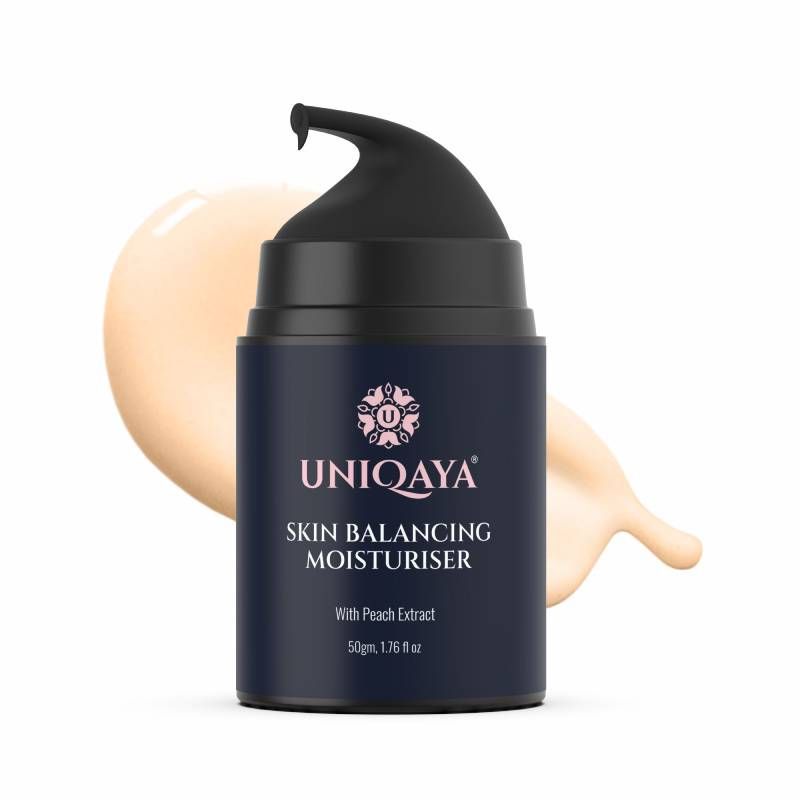
Uniqaya Skin Balancing Moisturiser With Peach Extract

Uniqaya Skin Balancing Moisturiser With Peach Extract
Uniqaya
uniqaya-skin-balancing-moisturiser-with-peach-extract
Moisturize
10085503041829
Morning or Evening?
How often will you use this product?
Notes


Highlights
WHAT IS IT?
Hyaluronic Acid Moisturizer with Peach Extract, 6 ingredients
FEATURES
Oil-Free, Moisturised, Restores Skin Cells, Fights acne and free radicals, Locks in moisture, Balances pH, Penetrates pores, Water repellent properties, Dermatologically Tested, Not tested on animals, Non-comedogenic, No Paraben, No Sulfate, No phthalates, Suitable for all skin types (oily, dry, normal)
BEST FOR
dry
CHECKS
No Paraben, No Sulfate, No phthalates, Not tested on animals
Who Is It For?
Unisex All AgesWhat Does It Help With?
Improves Skin Texture Elasticity Hydration Anti-aging Protects From Free Radicals Acne And Environmental StressorsBudget
Mid-range ($30-$75)How To Use
Which routine should it be used in?
Instructions:
Key Information


What Uniqaya Says
Product Description:
UniQaya’s Hyaluronic Acid Moisturizer with Peach Extract is the perfect solution for people with dry and dehydrated skin. This moisturizer is enriched with the goodness of Peach Extract, which helps in improving the skin's texture, elasticity, and hydration. With lightweight formula that quickly absorbs into the skin without leaving a greasy or oily residue. This moisturizer is equipped with moisture lock technology, which ensures that its composition consists of clinically proven humectants and skin nourishing activities. This moisture locking technology ensures delivering a sustained dose of hydration. This hyaluronic acid skin moisturizer is also packed with the benefits of Vitamin E, which is known for its anti-aging properties. It helps in protecting the skin from free radicals and environmental stressors, which can cause premature aging. The presence of Vitamin F in this moisturizer helps in hydrating the skin and preventing moisture loss, leaving your skin looking supple and healthy.
About the Brand:
Ingredients Overview
Ingredients List
Aloe-Vera,Annuus-Seed-Oil,Arnica-Extract,Hydromanil,Moringa-Oleifera-Floral-Water,Peach-Extract
Key Ingredients
Aloe Vera,Annuus Seed Oil,Arnica Extract,Hydromanil,Moringa Oleifera Floral Water,Peach Extract
Ingredients Details
Aloe Vera
Common Name(s): Aloe vera juice,aloe vera gel,aloe barbadensis
CAS Number: 85507-69-3
DESCRIPTION
What It Does: Provides acemannan-based wound healing and comprehensive moisturising skin conditioning from the quintessential healing plant.
Why It's Used: The most universally recognised natural healing plant — aloe vera's acemannan polysaccharides, vitamins, and enzymes provide a comprehensive wound healing and soothing profile with thousands of years of documented use.
How It Works: Acemannan (poly-mannose) activates dectin-1 for wound healing immune stimulation. gibberellin promotes fibroblast growth. salicylic acid derivative provides anti-inflammatory. vitamins c and e provide antioxidant. glucomannan provides humectant.
Typically Found In: After-sun products,wound healing,moisturisers,virtually all skin care categories
TECHNICAL DETAILS
Primary Category: Active ingredient – aloe vera gel
Secondary Functions: Redness reduction,anti-inflammatory,calming
Application Areas:

Facial Skincare
Body Care

Hair Care
Beard Care
Color Cosmetics (Makeup)
Dietary/Oral Supplements
Typical Concentration Range: 0.5%–99%
SOURCING & ETHICS
Vegan Status: Yes – from aloe barbadensis leaf
Halal Status: Yes
Source Notes: Plant-derived extract or synthetic.
SKIN COMPATIBILITY
Irritancy Rating: 1/5 – very low
Comedogenicity Rating: 0/5 – non-comedogenic
Sensitivity Concerns: Non-irritating; ideal for reactive and sensitive skin.
Safe for Sensitive Skin: Yes – particularly recommended for sensitive skin
SAFETY & COMPATIBILITY
Safety Profile: Excellent safety profile. ewg score: 1.
Works Well With: Ceramides,panthenol,allantoin,hyaluronic acid,centella asiatica
Avoid Combining With: No significant incompatibilities
SCIENTIFIC NOTE
Aloe vera's clinical evidence for sunburn relief is among the best for any botanical wound healing ingredient. multiple rcts demonstrate that aloe vera gel reduces healing time of first and second degree burns and sunburns, attributed primarily to acemannan's immunomodulatory wound healing activity and the anti-inflammatory salicylate derivatives providing prostaglandin inhibition.
Last Verified: Cosing database,surjushe et al. aloe vera skin review,cir safety assessment
Primary Sources: 2026-03-12
Arnica Extract
Common Name(s): Arnica extract,mountain arnica extract
DESCRIPTION
What It Does: Reduces bruising, edema, and inflammation with helenalin's potent anti-inflammatory activity.
Why It's Used: Clinically proven botanical for bruise resolution and post-procedure inflammation reduction – the gold standard natural anti-bruising active.
How It Works: Helenalin inhibits nf-kb transcription factor by alkylating its p65 subunit cysteine residues. reduces vascular permeability preventing edema formation. inhibits cox-2 for anti-inflammatory/analgesic activity.
Typically Found In: Post-procedure recovery,anti-bruising products,sports recovery
TECHNICAL DETAILS
Primary Category: Active ingredient – soothing / anti-inflammatory
Secondary Functions: Anti-bruising,anti-edema,post-procedure recovery
Application Areas:
Facial Skincare
Body Care
Hair Care
Beard Care
Color Cosmetics (Makeup)
Dietary/Oral Supplements
Typical Concentration Range: 1%–15%
SOURCING & ETHICS
Vegan Status: Yes – arnica montana flower-derived
Halal Status: Yes
Source Notes: Plant-derived extract or synthetic.
SKIN COMPATIBILITY
Irritancy Rating: 1/5 – very low
Comedogenicity Rating: 0/5 – non-comedogenic
Sensitivity Concerns: Do not apply to open wounds or mucous membranes. allergic contact dermatitis possible in asteraceae-sensitive individuals.
Safe for Sensitive Skin: Yes – particularly recommended for sensitive skin
SAFETY & COMPATIBILITY
Safety Profile: Avoid on broken/open skin. helenalin is cytotoxic at high concentrations – use at recommended formulation levels only.
Works Well With: Ceramides,panthenol,allantoin,hyaluronic acid,centella asiatica
Avoid Combining With: No significant incompatibilities
SCIENTIFIC NOTE
Helenalin's mechanism of nf-kb inhibition via direct cysteine alkylation is unusual among plant-derived anti-inflammatories – most work via receptor agonism or enzyme inhibition rather than direct transcription factor modification. this covalent mechanism explains helenalin's exceptional potency but also its cytotoxicity at excess concentrations.
Last Verified: Cosing database,knuesel et al. arnica clinical study,cir safety assessment
Primary Sources: 2026-03-12
