

ViCREA
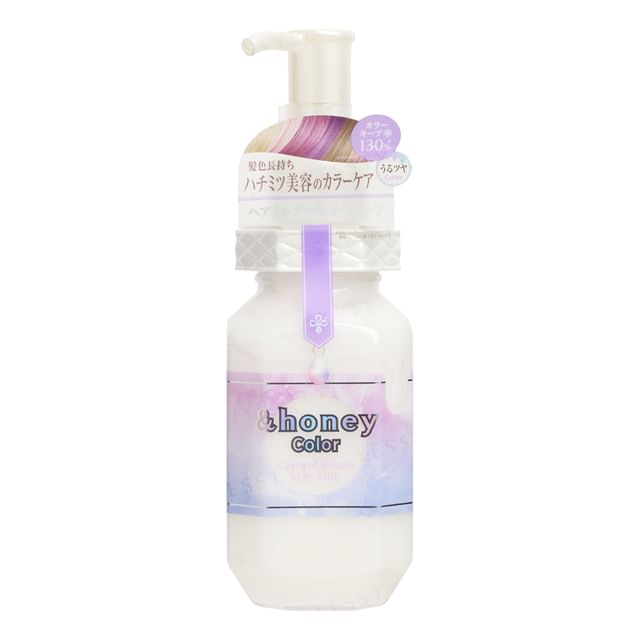
ViCREA - &honey Color Control Repair Hair Milk
A nourishing hair milk formulated with honey to repair damaged strands and provide moisture, leaving hair smoother and glossier.
Color-safe
Damage Repair
Dryness
Frizz
Fine
Thick
Optimized for Your Environment & Lifestyle
Nykaa
In stock
Recommended

ViCREA - &honey Color Control Repair Hair Milk
ViCREA
vicrea-honey-color-control-repair-hair-milk
Hair Milk
10523363344677
Morning or Evening?
How often will you use this product?
Notes


Secure payment protection
Your Biodata Compatibility Analysis
Based on your 6 hair health indices and environmental factors
Poor Match
Significant incompatibilities
Growth Cycle Health Index
Hair Match
Hair Health Index Alignment
Optimal for OSI, SSI, DI, HSI
Ingredient Efficacy
Matching Ingredient Score
Environment Compatibility
Current UV, Air Quality & Humidity
Why This Works for Your Specific Profile
Damage Index:
Healthy to moderately damaged hair experiences over-conditioning or protein overload causing limpness or rigidity
Water Quality:
Severe single concerns require targeted treatment beyond balanced formulation capabilities
Hair:
Closed cuticles resist product penetration causing surface buildup without internal benefits
Active Lifestyle:
Activity levels outside optimal range affect product performance and maintenance requirements
Your Hair Profile Integration
Your Hair Archetype

Density Level

Washing Frequency

Shedding Level

Oil Level
Your Hair Health Indices
Oil Secretion (OSI)
Very low oil production
Scalp Sensitivity (SSI)
Very low sensitivity
Growth Rate (CMR)
Poor metabolism rate
Damage Index (DI)
Minimal damage
Hair Strength (HSI)
Very weak strength
Softness Index (SI)
Significant improvement needed
Water & Environmental Integration

Water:


Expected Results & Timeline
Key Highlights

What is it?
Hair Milk, 160ml

Who Is It For
Adults, Unisex

Budget
Rs. 2,466.61 - Rs. 4,933.22

Timeline
Immediate
Why You’ll Love It

What Does It Help With?
Damage Repair, Dryness, Frizz

Best for
Damage Repair

Features
Repairs damaged strands, Provides moisture, Leaves hair smoother and glossier

Checks
Ingredients Overview
Ingredients List
honey, royal-jelly-extract, ceramide-np
Key Ingredients
Honey, Royal Jelly Extract, Ceramide NP
Ingredients Details
Ceramide Np
Common Name(s): Ceramide 3,n-stearoyl phytosphingosine,ceramide type iii
CAS Number: 100403-19-8
DESCRIPTION
What It Does: Provides the most abundant natural skin ceramide for precise stratum corneum barrier lipid replacement.
Why It's Used: The primary skin ceramide — ceramide np's identity as the dominant stratum corneum ceramide fraction makes it the most physiologically relevant barrier lipid replacement for dry skin and eczema.
How It Works: N-stearoyl-phytosphingosine provides the exact molecular structure of the most abundant natural skin ceramide. integrates into stratum corneum lamellar lipid bilayers restoring barrier architecture. reduces tewl, improves corneometer moisture, restores barrier integrity. synergistic with cholesterol and fatty acids in barrier restoration.
Typically Found In: Barrier repair moisturisers,eczema care,dry skin treatment
TECHNICAL DETAILS
Primary Category: Active ingredient – phytosphingosine ceramide
Secondary Functions: Skin conditioning
Application Areas:

Facial Skincare

Body Care
Hair Care
Beard Care
Color Cosmetics (Makeup)
Dietary/Oral Supplements
Typical Concentration Range: 0.01%–5%
SOURCING & ETHICS
Vegan Status: Conditional - feedstock declaration required
Halal Status: Unverified - feedstock declaration required (plant, animal and petrochemical routes all exist)
Source Notes: Commercially produced for cosmetic use. verify vegan/halal status with supplier. [audit 2026-07-29 rev2: origin-dependent: the same inci exists in plant, animal and petrochemical versions and the name does not discriminate. determination requires shariah-panel sign-off.]
SKIN COMPATIBILITY
Irritancy Rating: 1/5 – very low
Comedogenicity Rating: 0/5 – non-comedogenic
Sensitivity Concerns: Well-tolerated by most skin types.
Safe for Sensitive Skin: Yes
SAFETY & COMPATIBILITY
Safety Profile: Good safety profile at recommended concentrations. ewg score: 1–2.
Works Well With: Standard skincare actives
Avoid Combining With: No known significant incompatibilities
SCIENTIFIC NOTE
Ceramide np's structural identity to natural skin ceramide 3 (the dominant sc ceramide at approximately 18% of total sc ceramide fraction) means it integrates into the stratum corneum's lamellar bilayer structure with perfect molecular recognition. no other moisturising ingredient can achieve this level of structural identity to the natural barrier component it replaces — providing barrier repair rather than simply occlusive surface coating.
Last Verified: 2026-03-12
Primary Sources: Cosing database,elias skin barrier ceramide review,cir safety assessment
Honey
Common Name(s): Honey,bee-derived humectant antimicrobial,wound healing active
CAS Number: N/a
DESCRIPTION
What It Does: Provides humectant moisture retention from the hygroscopic fructose/glucose matrix, antimicrobial activity from enzymatically generated h₂o₂ and (in manuka) methylglyoxal, anti-inflammatory activity from phenolic compounds, and wound healing promotion from growth factor activation.
Why It's Used: Honey is the only food-derived ingredient with documented clinical wound healing efficacy in medical grade form (medihoney) — combining humectancy, antimicrobial, anti-inflammatory, and healing activity in a gras, consumer-familiar ingredient.
How It Works: Glucose oxidase in honey catalyses glucose + o₂ → gluconolactone + h₂o₂ — providing sustained low-level h₂o₂ generation that provides bactericidal activity without tissue toxicity. manuka honey's methylglyoxal (mgo) provides additional non-peroxide antimicrobial activity through protein glycation of bacterial enzymes.
Typically Found In: Wound care,anti-aging,humectant products
TECHNICAL DETAILS
Primary Category: Active ingredient – cosmetic active
Secondary Functions: Skin conditioning
Application Areas:
Facial Skincare
Body Care
Hair Care
Beard Care
Color Cosmetics (Makeup)
Dietary/Oral Supplements
Typical Concentration Range: 1%–20%
SOURCING & ETHICS
Vegan Status: No - animal-derived
Halal Status: Conditional - bee-derived; widely held permissible, confirm certifier stance
Source Notes: Commercially produced for cosmetic use. verify vegan/halal status with supplier. [audit 2026-07-29 rev2: bee-derived; permissibility widely accepted but fatwa varies by jurisdiction. determination requires shariah-panel sign-off.]
SKIN COMPATIBILITY
Irritancy Rating: 1/5 – very low
Comedogenicity Rating: 0/5 – non-comedogenic
Sensitivity Concerns: Well-tolerated by most skin types.
Safe for Sensitive Skin: Yes
SAFETY & COMPATIBILITY
Safety Profile: Good safety profile at recommended concentrations. ewg score: 1–2.
Works Well With: Standard skincare actives
Avoid Combining With: No known significant incompatibilities
SCIENTIFIC NOTE
Manuka honey's unique mānuka factor (umf) grades correlate with methylglyoxal (mgo) concentration — umf10+ (mgo 263 mg/kg) provides bactericidal activity against mrsa at concentrations achievable in topical formulation.
Last Verified: 2026-03-12
Primary Sources: Cosing database,honey manuka honey wound healing antimicrobial review
Honey
Common Name(s): Honey,bee-derived humectant antimicrobial,wound healing active
CAS Number: N/a
DESCRIPTION
What It Does: Provides humectant moisture retention from the hygroscopic fructose/glucose matrix, antimicrobial activity from enzymatically generated h₂o₂ and (in manuka) methylglyoxal, anti-inflammatory activity from phenolic compounds, and wound healing promotion from growth factor activation.
Why It's Used: Honey is the only food-derived ingredient with documented clinical wound healing efficacy in medical grade form (medihoney) — combining humectancy, antimicrobial, anti-inflammatory, and healing activity in a gras, consumer-familiar ingredient.
How It Works: Glucose oxidase in honey catalyses glucose + o₂ → gluconolactone + h₂o₂ — providing sustained low-level h₂o₂ generation that provides bactericidal activity without tissue toxicity. manuka honey's methylglyoxal (mgo) provides additional non-peroxide antimicrobial activity through protein glycation of bacterial enzymes.
Typically Found In: Wound care,anti-aging,humectant products
TECHNICAL DETAILS
Primary Category: Active ingredient – cosmetic active
Secondary Functions: Skin conditioning
Application Areas:
Facial Skincare
Body Care
Hair Care
Beard Care
Color Cosmetics (Makeup)
Dietary/Oral Supplements
Typical Concentration Range: 1%–20%
SOURCING & ETHICS
Vegan Status: No - animal-derived
Halal Status: Conditional - bee-derived; widely held permissible, confirm certifier stance
Source Notes: Commercially produced for cosmetic use. verify vegan/halal status with supplier. [audit 2026-07-29 rev2: bee-derived; permissibility widely accepted but fatwa varies by jurisdiction. determination requires shariah-panel sign-off.]
SKIN COMPATIBILITY
Irritancy Rating: 1/5 – very low
Comedogenicity Rating: 0/5 – non-comedogenic
Sensitivity Concerns: Well-tolerated by most skin types.
Safe for Sensitive Skin: Yes
SAFETY & COMPATIBILITY
Safety Profile: Good safety profile at recommended concentrations. ewg score: 1–2.
Works Well With: Standard skincare actives
Avoid Combining With: No known significant incompatibilities
SCIENTIFIC NOTE
Manuka honey's unique mānuka factor (umf) grades correlate with methylglyoxal (mgo) concentration — umf10+ (mgo 263 mg/kg) provides bactericidal activity against mrsa at concentrations achievable in topical formulation.
Last Verified: 2026-03-12
Primary Sources: Cosing database,honey manuka honey wound healing antimicrobial review
Royal Jelly Extract
Common Name(s): Royal jelly,bee milk
CAS Number: 8031-67-2
DESCRIPTION
What It Does: Provides 10-hda and royalactin bioactive complex for collagen stimulation and anti-aging.
Why It's Used: Queen bee transformation ingredient — royalactin (the protein that transforms a worker larva into a queen) provides unique growth factor-like collagen stimulation and anti-aging activity.
How It Works: 10-hda (10-hydroxy-2-decenoic acid) inhibits 5-lox for anti-inflammatory activity and stimulates collagen synthesis. royalactin activates egf-like receptor stimulating growth and differentiation. sterols and amino acids provide skin conditioning. antimicrobial activity from 10-hda fatty acid.
Typically Found In: Luxury anti-aging products,queen bee beauty
TECHNICAL DETAILS
Primary Category: Active ingredient – queen bee secretion
Secondary Functions: Skin conditioning
Application Areas:
Facial Skincare
Body Care
Hair Care
Beard Care
Color Cosmetics (Makeup)
Dietary/Oral Supplements
Typical Concentration Range: 0.1%–5%
SOURCING & ETHICS
Vegan Status: No - animal-derived
Halal Status: Conditional - bee-derived; widely held permissible, confirm certifier stance
Source Notes: Commercially produced for cosmetic use. verify vegan/halal status with supplier. [audit 2026-07-29 rev2: bee-derived; permissibility widely accepted but fatwa varies by jurisdiction. determination requires shariah-panel sign-off.]
SKIN COMPATIBILITY
Irritancy Rating: 1/5 – very low
Comedogenicity Rating: 0/5 – non-comedogenic
Sensitivity Concerns: Well-tolerated by most skin types.
Safe for Sensitive Skin: Yes
SAFETY & COMPATIBILITY
Safety Profile: Good safety profile at recommended concentrations. ewg score: 1–2.
Works Well With: Standard skincare actives
Avoid Combining With: No known significant incompatibilities
SCIENTIFIC NOTE
Royal jelly's transformation of worker bee larvae into queen bees via royalactin is one of biology's most dramatic examples of epigenetic determination by nutrition: genetically identical larvae become morphologically and physiologically distinct (worker vs queen) solely based on royal jelly feeding. the growth-promoting royalactin that drives this transformation provides the biological rationale for royal jelly's anti-aging and cell proliferation-stimulating cosmetic claims.
Last Verified: 2026-03-12
Primary Sources: Cosing database,fratini et al. royal jelly review
Personalized Usage Instructions
How to Use
Step 1
Apply a sufficient amount onto hair
Step 2
Leave on for 2-3 minutes before rinsing off with lukewarm water
Medical Chemicals

Protein/Moisture
- Moisture
pH Level
- Acidic

Porosity Taget
- Normal Porosity
Customized for Your Profile
Scalp Condtions
Climate Suitability
Clinical Claims
Frequency
Apply a sufficient amount onto hair. Leave on for 2-3 minutes before rinsing off with lukewarm water.