

VLCC
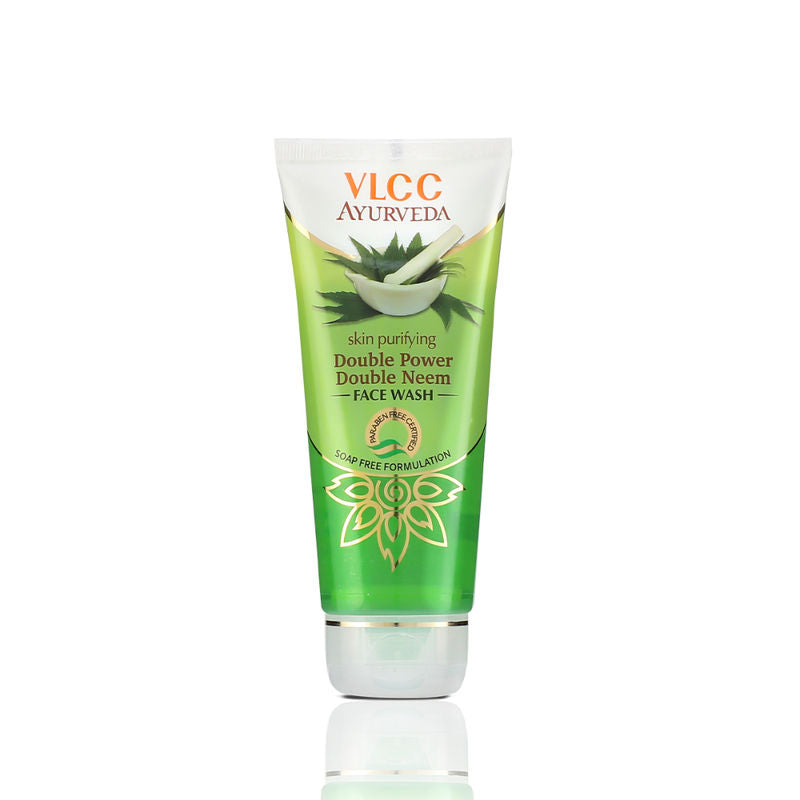
VLCC Ayurveda Skin Purifying Double Power Double Neem Face Wash

VLCC Ayurveda Skin Purifying Double Power Double Neem Face Wash
VLCC
vlcc-ayurveda-skin-purifying-double-power-double-neem-face-wash
Cleanse
10085486100773
Morning or Evening?
How often will you use this product?
Notes


Highlights
WHAT IS IT?
Face Wash with 7 key ingredients
FEATURES
Contains Neem leaf extract, Neem oil, Eucalyptus oil, Chamomile oil, Tea Tree oil, Reetha extract, Carrot extracts
BEST FOR
combination
CHECKS
Paraben-Free,Alcohol-free,Silicone-free,PEG-free
Who Is It For?
Adults All GendersWhat Does It Help With?
Purifying Skin Removing ImpuritiesBudget
Affordable (under $30)How To Use
Which routine should it be used in?
Instructions:
Key Information


What VLCC Says
Product Description:
Contains Neem leaf extract, Neem oil, Eucalyptus oil, Chamomile oil, Tea Tree oil, Reetha extract and Carrot extracts.
About the Brand:
Ingredients Overview
Ingredients List
Neem-leaf-extract,Neem-oil,Eucalyptus-oil,Chamomile-oil,Tea-Tree-oil,Reetha-extract,Carrot-extracts
Key Ingredients
Neem leaf extract, Neem oil, Eucalyptus oil, Chamomile oil, Tea Tree oil, Reetha extract, Carrot extracts
Ingredients Details
Eucalyptus Oil
Common Name(s): Eucalyptus oil,blue gum oil,camphor eucalyptus
CAS Number: 8000-48-4
DESCRIPTION
What It Does: Provides eucalyptol anti-inflammatory and antimicrobial activity with characteristic camphoraceous clean scent.
Why It's Used: The respiratory wellness essential oil – eucalyptus oil's 1,8-cineole provides clinically validated mucolytic and bronchodilatory activity for respiratory symptom relief in topical chest rubs.
How It Works: 1,8-cineole (eucalyptol, 55-80%) activates trpm8 (cooling) and inhibits leukotriene synthesis (anti-inflammatory). antimicrobial via cineole membrane permeabilisation. mucolytic via mucus hydration improvement.
Typically Found In: Cooling products,respiratory relief,scalp treatments,men's grooming
TECHNICAL DETAILS
Primary Category: Active ingredient – soothing / anti-inflammatory
Secondary Functions: Redness reduction,anti-inflammatory,calming
Application Areas:

Facial Skincare

Body Care
Hair Care
Beard Care
Color Cosmetics (Makeup)
Dietary/Oral Supplements
Typical Concentration Range: 0.001%–2%
SOURCING & ETHICS
Vegan Status: Yes – from eucalyptus globulus leaves
Halal Status: Yes
Source Notes: Plant-derived extract or synthetic.
SKIN COMPATIBILITY
Irritancy Rating: 1/5 – very low
Comedogenicity Rating: 0/5 – non-comedogenic
Sensitivity Concerns: Non-irritating; ideal for reactive and sensitive skin.
Safe for Sensitive Skin: Yes – particularly recommended for sensitive skin
SAFETY & COMPATIBILITY
Safety Profile: Eu: avoid near eyes and face of infants/children under 2 due to trpv1/trpm8 stimulation. toxic if ingested.
Works Well With: Ceramides,panthenol,allantoin,hyaluronic acid,centella asiatica
Avoid Combining With: No significant incompatibilities
SCIENTIFIC NOTE
1,8-cineole's mucolytic mechanism involves penetration through bronchial epithelium membranes and direct activation of mucociliary transport (increased cilia beat frequency and mucus hydration). clinical studies for orally dosed cineole in bronchitis show equivalent efficacy to pharmaceutical mucolytics – one of the best-characterised pharmacological mechanisms for a fragrance compound's therapeutic effect.
Last Verified: Cosing database,ifra standards,juergens et al. cineole anti-inflammatory study
Primary Sources: 2026-03-12
Neem Oil
Common Name(s): Essential oil,concentrated volatile aromatic,bioactive fragrance active
CAS Number: N/a
DESCRIPTION
What It Does: Provides aromatic sensory benefit alongside bioactive skin activity from concentrated plant volatile compounds — including antimicrobial activity (tea tree, thyme, clove), anti-inflammatory activity (lavender, chamomile), or circulatory stimulation (peppermint, rosemary).
Why It's Used: Essential oils provide authentic 'aromatherapy' narrative with genuine bioactive chemistry — the concentrated terpenoid constituents have documented biological activity in addition to olfactory benefit, justifying ingredient claims beyond pure fragrance.
How It Works: Essential oil complexity: steam distillation concentrates volatile terpenes (monoterpenes, sesquiterpenes), phenylpropanoids, and other volatiles. antimicrobial activity from terpenoid membrane disruption (terpinen-4-ol, eugenol, thymol disrupt bacterial membranes); anti-inflammatory from sesquiterpene nf-kb inhibition; sensitisation risk from electrophilic monoterpene oxides and aldehydes.
Typically Found In: Aromatherapy,bioactive skin care,fragrance
TECHNICAL DETAILS
Primary Category: Active ingredient – cosmetic active
Secondary Functions: Skin conditioning
Application Areas:
Facial Skincare
Body Care
Hair Care
Beard Care
Color Cosmetics (Makeup)
Dietary/Oral Supplements
Typical Concentration Range: 0.01%–2%
SOURCING & ETHICS
Vegan Status: Yes
Halal Status: Yes
Source Notes: Commercially produced for cosmetic use. verify vegan/halal status with supplier.
SKIN COMPATIBILITY
Irritancy Rating: 1/5 – very low
Comedogenicity Rating: 0/5 – non-comedogenic
Sensitivity Concerns: Well-tolerated by most skin types.
Safe for Sensitive Skin: Yes
SAFETY & COMPATIBILITY
Safety Profile: Good safety profile at recommended concentrations. ewg score: 1–2.
Works Well With: Standard skincare actives
Avoid Combining With: No known significant incompatibilities
SCIENTIFIC NOTE
Essential oil concentration in cosmetics must respect ifra (international fragrance association) guidelines — each oil has category-specific maximum use levels based on skin sensitisation quantitative risk assessment (qra). tea tree oil maximum 0.5% (rinse-off), lavender oil 2% (leave-on skin) as examples.
Last Verified: Cosing database,ifra standards,essential oil bioactive fragrance review
Primary Sources: 2026-03-12
Tea Tree Oil
Common Name(s): Tea tree oil,tto,melaleuca oil
CAS Number: 68647-73-4
DESCRIPTION
What It Does: Provides the most potent single-plant broad-spectrum antimicrobial essential oil for skin antiseptic applications.
Why It's Used: The antimicrobial essential oil – tea tree oil's terpinen-4-ol provides clinically proven broad-spectrum antimicrobial activity in rct-level clinical studies for acne and mrsa decolonisation.
How It Works: Terpinen-4-ol (30-48%) provides membrane-disrupting antimicrobial activity vs gram+/- bacteria, fungi, and enveloped viruses. iso 4730 requires minimum 30% terpinen-4-ol and maximum 5% 1,8-cineole (sensitiser). anti-biofilm activity vs staphylococcus.
Typically Found In: Anti-acne products,antiseptic formulas,natural antimicrobials,scalp treatments
TECHNICAL DETAILS
Primary Category: Active ingredient – soothing / anti-inflammatory
Secondary Functions: Redness reduction,anti-inflammatory,calming
Application Areas:
Facial Skincare
Body Care
Hair Care
Beard Care
Color Cosmetics (Makeup)
Dietary/Oral Supplements
Typical Concentration Range: 0.001%–5%
SOURCING & ETHICS
Vegan Status: Yes – from melaleuca alternifolia leaves (australia)
Halal Status: Yes
Source Notes: Plant-derived extract or synthetic.
SKIN COMPATIBILITY
Irritancy Rating: 1/5 – very low
Comedogenicity Rating: 0/5 – non-comedogenic
Sensitivity Concerns: Non-irritating; ideal for reactive and sensitive skin.
Safe for Sensitive Skin: Yes – particularly recommended for sensitive skin
SAFETY & COMPATIBILITY
Safety Profile: Iso 4730:2017 quality standard defines authentic tea tree oil. can cause contact sensitisation at high concentrations. toxic if ingested.
Works Well With: Ceramides,panthenol,allantoin,hyaluronic acid,centella asiatica
Avoid Combining With: No significant incompatibilities
SCIENTIFIC NOTE
Randomised controlled trial comparison of 5% tea tree oil gel vs 5% benzoyl peroxide lotion for acne demonstrated equivalent efficacy for acne lesion reduction at 3 months. tea tree's slower onset (8 weeks vs 4 weeks for bpo) was offset by significantly fewer side effects (dryness, irritation, peeling) in the tto group – providing evidence-based support for clinical tto use as a well-tolerated bpo alternative.
Last Verified: Cosing database,bassett et al. tea tree oil acne rct,iso 4730
Primary Sources: 2026-03-12
