

Nykaa E retail limited
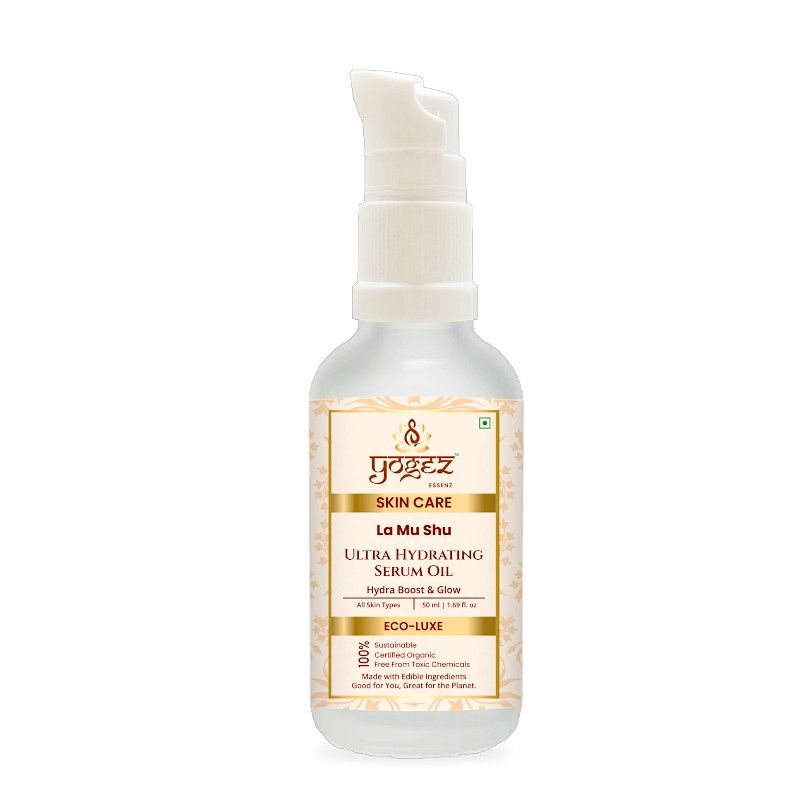
YOGEZ Organic Ultra Hydrating Serum Oil

YOGEZ Organic Ultra Hydrating Serum Oil
Nykaa E retail limited
yogez-organic-ultra-hydrating-serum-oil
Serum
10085509562661
Morning or Evening?
How often will you use this product?
Notes


Highlights
WHAT IS IT?
Ultra Hydrating Serum Oil; Contains 18 key organic ingredients
FEATURES
Deep hydration, Skin brightening, Anti-aging, Skin rejuvenation, Soothing and calming, Nourishing elixir, Antibacterial and anti-inflammatory, Natural ingredients, Certified Organic, FDA approved, Free of harsh chemicals
BEST FOR
dry
CHECKS
Parabens,Sulfates,Formaldehyde,Phthalates,Triclosan,Synthetic fragrances,Mineral oil,Petrolatum,PEGs,Oxybenzone,Physical sunscreens,Organic sunscreens,HA/BHT,Propylene glycol
Who Is It For?
All Genders No Specific Age Range MentionedWhat Does It Help With?
Dryness Dullness Aging Signs Fine Lines Skin Brightening Soothing Irritation Environmental Damage ProtectionBudget
Mid-range ($30-$75)How To Use
Which routine should it be used in?
Instructions:
Key Information


What Nykaa E retail limited Says
Product Description:
La Mu Shu Ultra Hydrating Serum Oil is your gateway to deeply nourished, hydrated, and glowing skin. This luxurious serum oil is meticulously crafted with 100% certified organic ingredients, blending the wisdom of advanced Ayurveda with cutting-edge phyto and biotech actives. Featuring a potent mix of natural oils, including jojoba oil infused with sal leaf, rosehip oil, and coenzyme Q10, this serum delivers intense hydration, brightens the complexion, and combats signs of aging. Whether you have dry, combination, or sensitive skin, La Mu Shu Ultra Hydrating Serum Oil offers intense hydration, plumping, and revitalization, leaving your skin soft, supple, and radiant. Key features include deep hydration from almond, coconut and squalane oils, skin brightening from rosehip and carrot seed oils, anti-aging properties of coenzyme Q10, skin rejuvenation with sea buckthorn and babchi oil, soothing essential oils, and antibacterial effects from kalonji and arnica oils. It is natural, certified organic, vegan, cruelty-free, and free of harsh chemicals.
About the Brand:
Ingredients Overview
Ingredients List
jojoba-oil-infused-with-sal-leaf,almond-oil,coconut-oil,rosehip-oil,watermelon-seed-oil,moringa-oil,kalonji-oil-babchi-oil-squalane-cow-ghee,sea-buckthorn-oil,tamanu-oil,carrot-seed-oil,essential-oils-lavender-sweetlime-rosemary,arnica-oil,avocado-oil,chamomile-essential-oil,coenzyme-q10
Key Ingredients
jojoba oil, almond oil, coconut oil, rosehip oil, coenzyme Q10
Ingredients Details
Almond Oil
Common Name(s): Almond oil,botanical carrier oil,emollient fatty acid delivery
CAS Number: N/a
DESCRIPTION
What It Does: Softens and conditions skin by integrating into sc lipid bilayers, delivers essential fatty acids (oleic, linoleic, linolenic) for barrier lipid synthesis, and provides rich, non-stripping moisturisation.
Why It's Used: Natural carrier oils provide the closest compositional match to endogenous sc lipids, delivering emolliency through genuine barrier integration rather than simple surface occlusion.
How It Works: Fatty acid triglycerides partition into sc lipid bilayers — oleic acid (c18:1) provides fluid, emollient integration; linoleic acid (c18:2) acts as essential ceramide precursor; saturated fatty acids provide more occlusive barrier reinforcement.
Typically Found In: Moisturisers,facial oils,natural skin care
TECHNICAL DETAILS
Primary Category: Functional ingredient – emollient
Secondary Functions: Barrier sealing,softening
Application Areas:

Facial Skincare
Body Care
Hair Care

Beard Care
Color Cosmetics (Makeup)
Dietary/Oral Supplements
Typical Concentration Range: 1%–100%
SOURCING & ETHICS
Vegan Status: Conditional
Halal Status: Yes
Source Notes: Plant-derived, synthetic or animal-derived. verify source.
SKIN COMPATIBILITY
Irritancy Rating: 1/5 – very low
Comedogenicity Rating: 1/5 – low; formulation-dependent
Sensitivity Concerns: Non-irritating.
Safe for Sensitive Skin: Yes
SAFETY & COMPATIBILITY
Safety Profile: Excellent safety profile. ewg score: 1.
Works Well With: Humectants,ceramides,actives as carrier
Avoid Combining With: No significant incompatibilities
SCIENTIFIC NOTE
Essential fatty acids — linoleic (c18:2, n-6) and α-linolenic (c18:3, n-3) acids — cannot be synthesised by the body; topical delivery through carrier oils provides direct substrate for ceramide and eicosanoid biosynthesis in the epidermis.
Last Verified: Cosing database,almond oil carrier oil botanical review
Primary Sources: 2026-03-12
Coconut Oil
Common Name(s): Coconut oil,botanical oil,phytochemical active
CAS Number: N/a
DESCRIPTION
What It Does: Provides antioxidant protection from reactive oxygen species, reduces inflammatory cytokine production in skin, and conditions skin through the plant's phytochemical complex.
Why It's Used: Natural origin narrative, traditional use heritage, and multi-functional phytochemical profile supporting concurrent skin care claims from one ingredient.
How It Works: Polyphenols, terpenoids, and alkaloids scavenge ros via h• donation, inhibit nf-kb or cox-2 inflammatory pathways, and interact with skin surface proteins for conditioning.
Typically Found In: Botanical skin care,natural products
TECHNICAL DETAILS
Primary Category: Active ingredient – antioxidant
Secondary Functions: Free radical scavenging,anti-aging
Application Areas:
Facial Skincare
Body Care
Hair Care
Beard Care
Color Cosmetics (Makeup)
Dietary/Oral Supplements
Typical Concentration Range: 0.1%–10%
SOURCING & ETHICS
Vegan Status: Conditional
Halal Status: Yes
Source Notes: Plant-derived extract or synthetic.
SKIN COMPATIBILITY
Irritancy Rating: 1/5 – very low
Comedogenicity Rating: 0/5 – non-comedogenic
Sensitivity Concerns: Non-irritating; well-tolerated.
Safe for Sensitive Skin: Yes
SAFETY & COMPATIBILITY
Safety Profile: Excellent safety profile. ewg score: 1.
Works Well With: Vitamin c,vitamin e,ferulic acid,spf,other antioxidants
Avoid Combining With: No significant incompatibilities
SCIENTIFIC NOTE
Plant secondary metabolites evolved as photoprotectants and antimicrobials — mechanisms directly applicable to cosmetic antioxidant and anti-inflammatory activity in human skin.
Last Verified: Cosing database,coconut oil botanical review
Primary Sources: 2026-03-12
Coenzyme Q10
Common Name(s): Coq10,coenzyme q10,ubiquinol-10
CAS Number: 303-98-0
DESCRIPTION
What It Does: Replenishes age-declining coq10 for mitochondrial energy support and membrane antioxidant protection.
Why It's Used: The only cosmetic ingredient directly targeting mitochondrial function decline in aging – coq10 skin levels decrease significantly after age 30 and topical supplementation directly addresses this documented deficiency.
How It Works: Ubiquinone/ubiquinol cycle (oxidized/reduced forms) carries electrons in mitochondrial complexes i-iii for atp production. reduced ubiquinol quenches lipid peroxyl radicals in inner mitochondrial membrane and plasma membrane. coq10 depletion in aging skin reduces atp production capacity and membrane antioxidant defense simultaneously.
Typically Found In: Anti-aging serums,mitochondrial skincare,antioxidant products
TECHNICAL DETAILS
Primary Category: Active ingredient – antioxidant
Secondary Functions: Mitochondrial electron transport,membrane lipid antioxidant
Application Areas:
Facial Skincare
Body Care
Hair Care
Beard Care
Color Cosmetics (Makeup)
Dietary/Oral Supplements
Typical Concentration Range: 0.01%–1%
SOURCING & ETHICS
Vegan Status: Yes – from fermentation (rhizobium radiobacter) or synthetic
Halal Status: Yes
Source Notes: Ubiquinol (reduced, active form) provides better bioavailability than ubiquinone, though skin converts ubiquinone to ubiquinol enzymatically. requires oil-phase formulation for stability.
SKIN COMPATIBILITY
Irritancy Rating: 1/5 – very low
Comedogenicity Rating: 0/5 – non-comedogenic
Sensitivity Concerns: Non-irritating; well-tolerated.
Safe for Sensitive Skin: Yes
SAFETY & COMPATIBILITY
Safety Profile: Excellent safety profile. ewg score: 1.
Works Well With: Vitamin c,vitamin e,ferulic acid,spf,other antioxidants
Avoid Combining With: No significant incompatibilities
SCIENTIFIC NOTE
Coq10's role in the mitochondrial electron transport chain places it at the nexus of aging biology – mitochondrial coq10 declines approximately 50% from age 20 to 80, and this decline is mechanistically linked to reduced atp production, increased mitochondrial superoxide leak, and mtdna damage that collectively constitute the 'mitochondrial theory of aging' at the cellular level.
Last Verified: Cosing database,crane ubiquinone review,shindo et al. coq10 skin aging study
Primary Sources: 2026-03-12
Jojoba Oil
Common Name(s): Jojoba oil,jojoba seed oil
CAS Number: 61789-91-1
DESCRIPTION
What It Does: Provides sebum-identical emolliency with outstanding oxidative stability and non-comedogenic profile.
Why It's Used: The most sebum-compatible plant oil – its wax ester composition mimics human sebum for superior skin compatibility across all skin types including oily and acne-prone.
How It Works: Liquid wax ester composition (primarily c20:1 and c22:1 wax esters) provides exceptional molecular mimicry of human sebum wax esters. regulates sebum production via negative feedback to sebaceous glands. remarkable oxidative stability from fully unsaturated wax ester structure vs polyunsaturated triglycerides.
Typically Found In: Facial oils,hair oils,serums,body care,lip care,virtually all product categories
TECHNICAL DETAILS
Primary Category: Functional ingredient – emollient
Secondary Functions: Sebum balancing,oxidative stability,non-comedogenic
Application Areas:
Facial Skincare
Body Care
Hair Care
Beard Care
Color Cosmetics (Makeup)
Dietary/Oral Supplements
Typical Concentration Range: 1%–100%
SOURCING & ETHICS
Vegan Status: Yes – from simmondsia chinensis (jojoba) seeds
Halal Status: Yes
Source Notes: Cold-pressed from jojoba seeds. among the most oxidation-stable plant oils (shelf life 5+ years). desert-grown, drought-resistant crop.
SKIN COMPATIBILITY
Irritancy Rating: 1/5 – very low
Comedogenicity Rating: 0/5 – non-comedogenic; sebum-identical composition
Sensitivity Concerns: Non-irritating.
Safe for Sensitive Skin: Yes
SAFETY & COMPATIBILITY
Safety Profile: Excellent safety profile. ewg score: 1.
Works Well With: Humectants,ceramides,actives as carrier
Avoid Combining With: No significant incompatibilities
SCIENTIFIC NOTE
Jojoba oil's wax ester composition is uniquely different from all other plant oils (which are triglycerides). human sebum contains approximately 25% wax esters – the proportion matched by jojoba. this structural identity explains jojoba's superior skin and hair compatibility versus conventional triglyceride oils.
Last Verified: Cosing database,gad et al. jojoba review,cir safety assessment
Primary Sources: 2026-03-12
